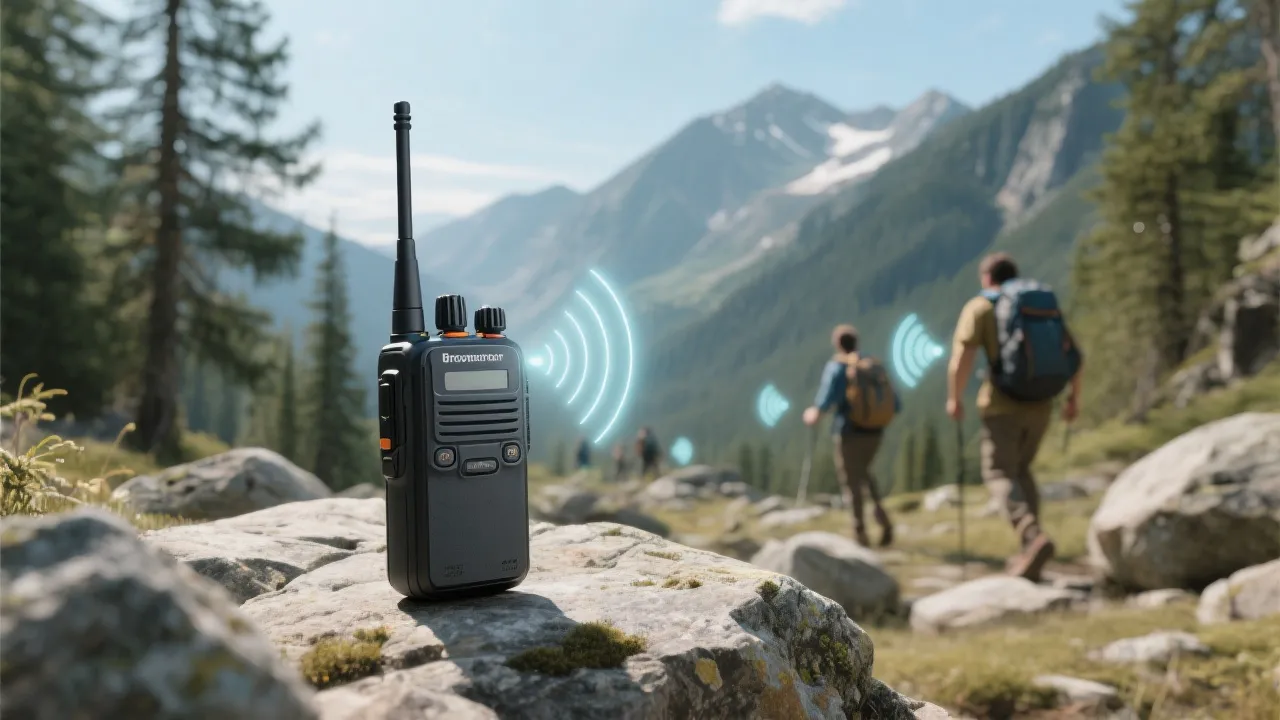
In complex scenarios such as outdoor adventures and emergency rescues, the frequency coverage of walkie - talkies directly affects the stability and efficiency of communication. Let's explore how wideband walkie - talkies address these challenges.
Imagine a team of mountain workers. In the vast mountains, they often face the risk of losing contact due to signal blind spots. Similarly, in urban areas with dense buildings, signal interference can make communication extremely difficult. These are the common problems that traditional narrow - band walkie - talkies struggle to solve.
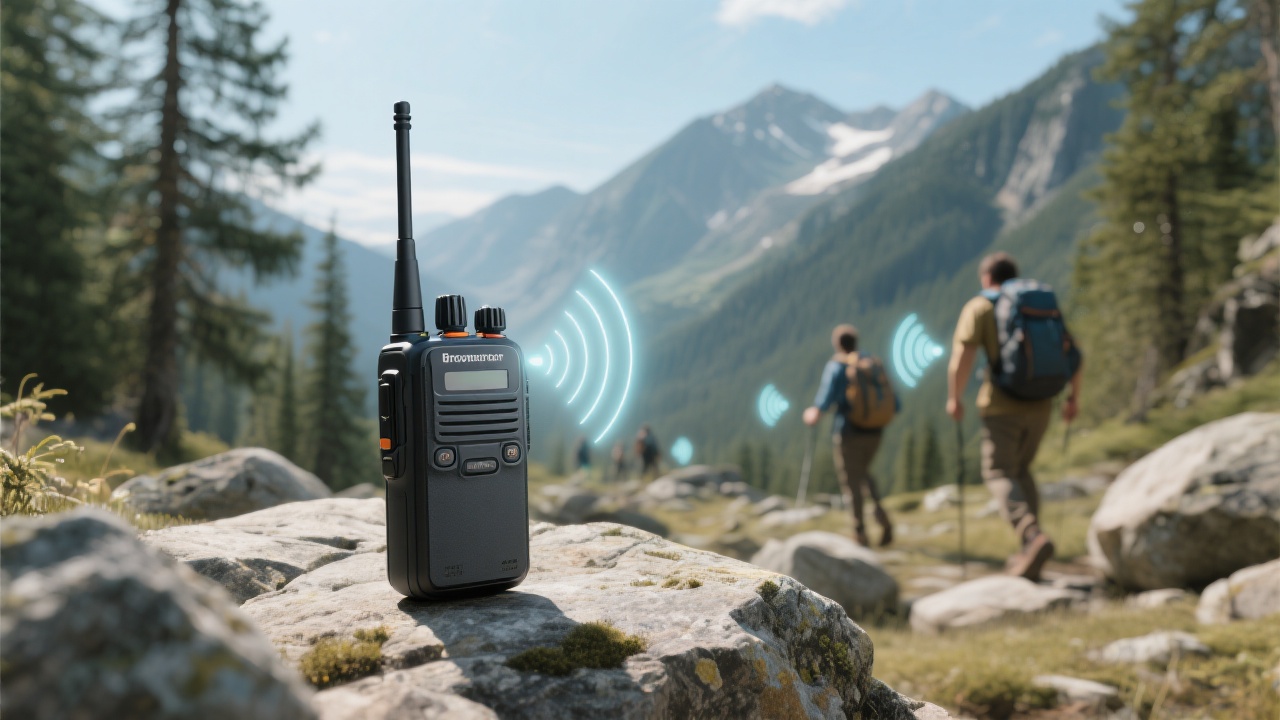
Wideband walkie - talkies typically cover VHF (136–174MHz) and UHF (400–520MHz) frequencies. The combination of these two bands significantly enhances the adaptability and penetration of the walkie - talkies. VHF waves are better at long - distance communication and can penetrate some obstacles, while UHF waves have stronger penetration in urban environments and can better handle signal blockage caused by buildings.
For example, in a mountainous area, the VHF band can help the walkie - talkie find a clear signal path through the valleys, while in a city center, the UHF band can cut through the interference caused by high - rise buildings. This dual - band feature allows wideband walkie - talkies to maintain stable communication in a variety of environments.
Let's compare wideband and narrow - band walkie - talkies in different environments. In a mountainous environment, narrow - band walkies may lose signals as soon as they enter a signal - blind area. However, wideband walkies can switch between VHF and UHF bands to find the best signal. In urban areas, narrow - band models are more likely to be affected by signal interference from other electronic devices, while wideband walkies can use the UHF band to bypass the interference and maintain clear communication.
| Environment | Wideband Walkie - Talkie | Narrow - band Walkie - Talkie |
|---|---|---|
| Mountainous Area | High reliability, can switch bands to avoid blind spots | Prone to signal loss in blind spots |
| Urban Dense Area | Good at avoiding interference, clear communication | Easily affected by signal interference |
User feedback and test data further prove the stability of wideband walkie - talkies. For instance, with a frequency accuracy of ±2.5ppm, the walkie - talkie can maintain a stable frequency, ensuring clear and accurate communication. It can also work in a temperature range from - 20°C to +60°C, which is suitable for various harsh environments.
Many users have reported that wideband walkie - talkies have provided them with reliable communication in different scenarios. One user from a mountain rescue team said that the wideband walkie - talkies helped them complete several rescue missions successfully, as they could communicate clearly even in the most difficult mountainous areas.
.jpg)
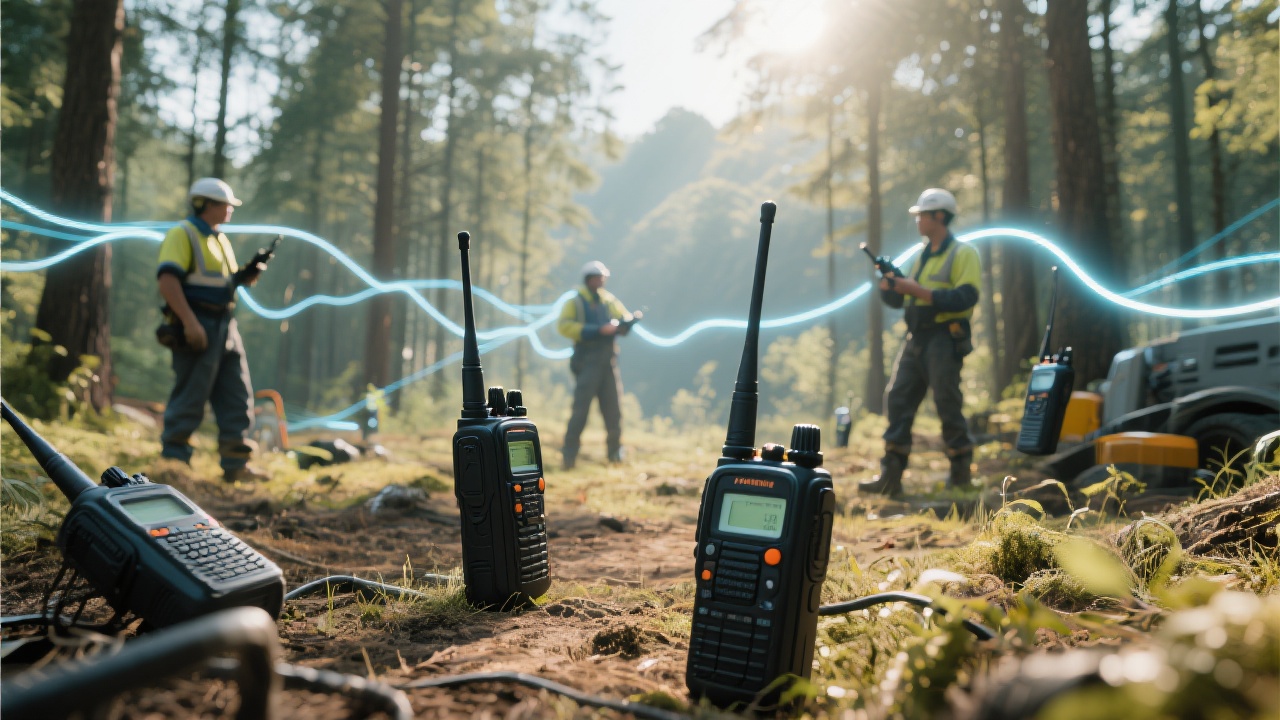
Wideband walkie - talkies have a wide range of applications in different industries. In the field of mountaineering, climbers can use them to communicate with each other during the climb, ensuring safety. Security patrol teams in urban areas rely on wideband walkie - talkies to maintain constant communication and respond quickly to emergencies. In the logistics industry, dispatchers can use these walkie - talkies to coordinate the movement of goods and vehicles, improving efficiency.
Your scene may also face similar challenges. Do you want to experience the high - quality communication provided by wideband walkie - talkies? Click here to choose the right equipment and enjoy seamless communication!






.png?x-oss-process=image/resize,h_600,m_lfit/format,webp)
.png)


.png?x-oss-process=image/resize,h_600,m_lfit/format,webp)

 Facebook