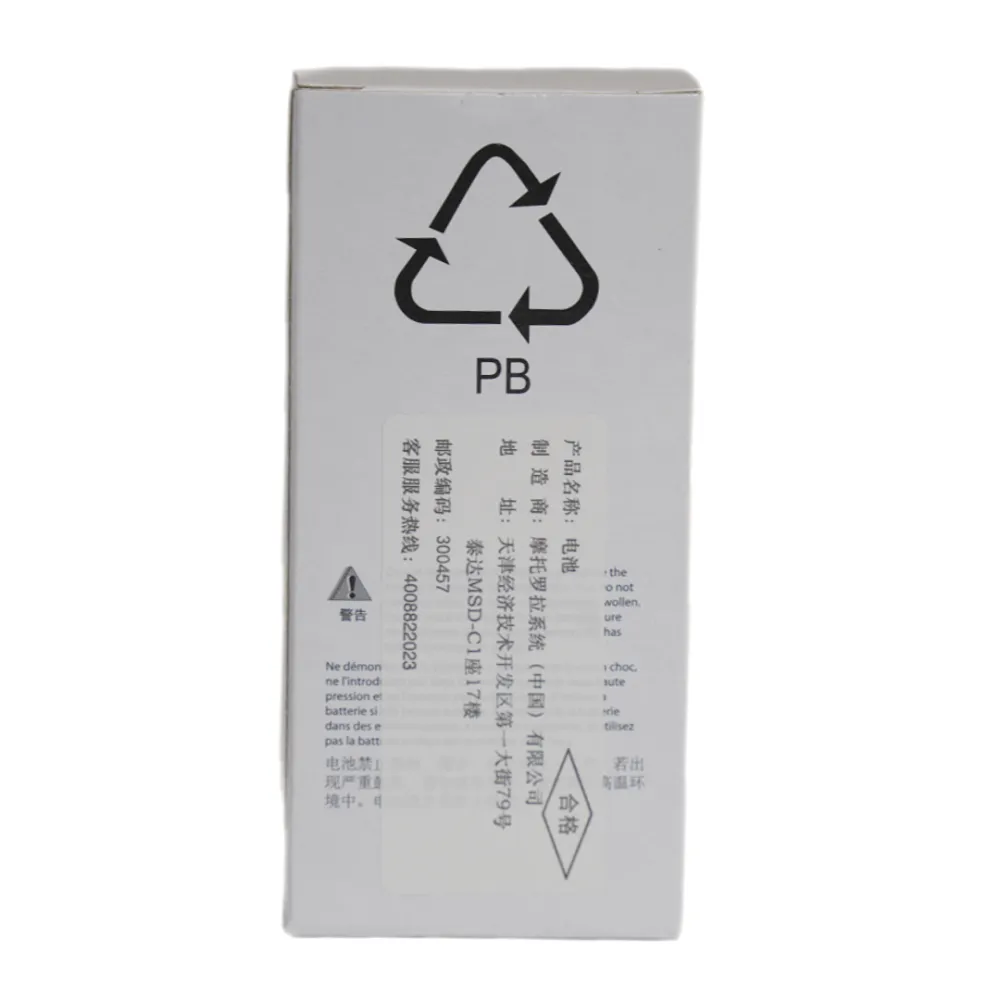
In the fast - evolving wireless communication industry, the demand for high - performance batteries is constantly on the rise. The 7.4V thin lithium - ion batteries, specifically models PMNN4448 and PMNN4543, designed for Motorola walkie - talkies, have emerged as a game - changer. According to market research, the global market for wireless communication device batteries is expected to grow at a CAGR of 8% over the next five years, indicating a strong market demand.
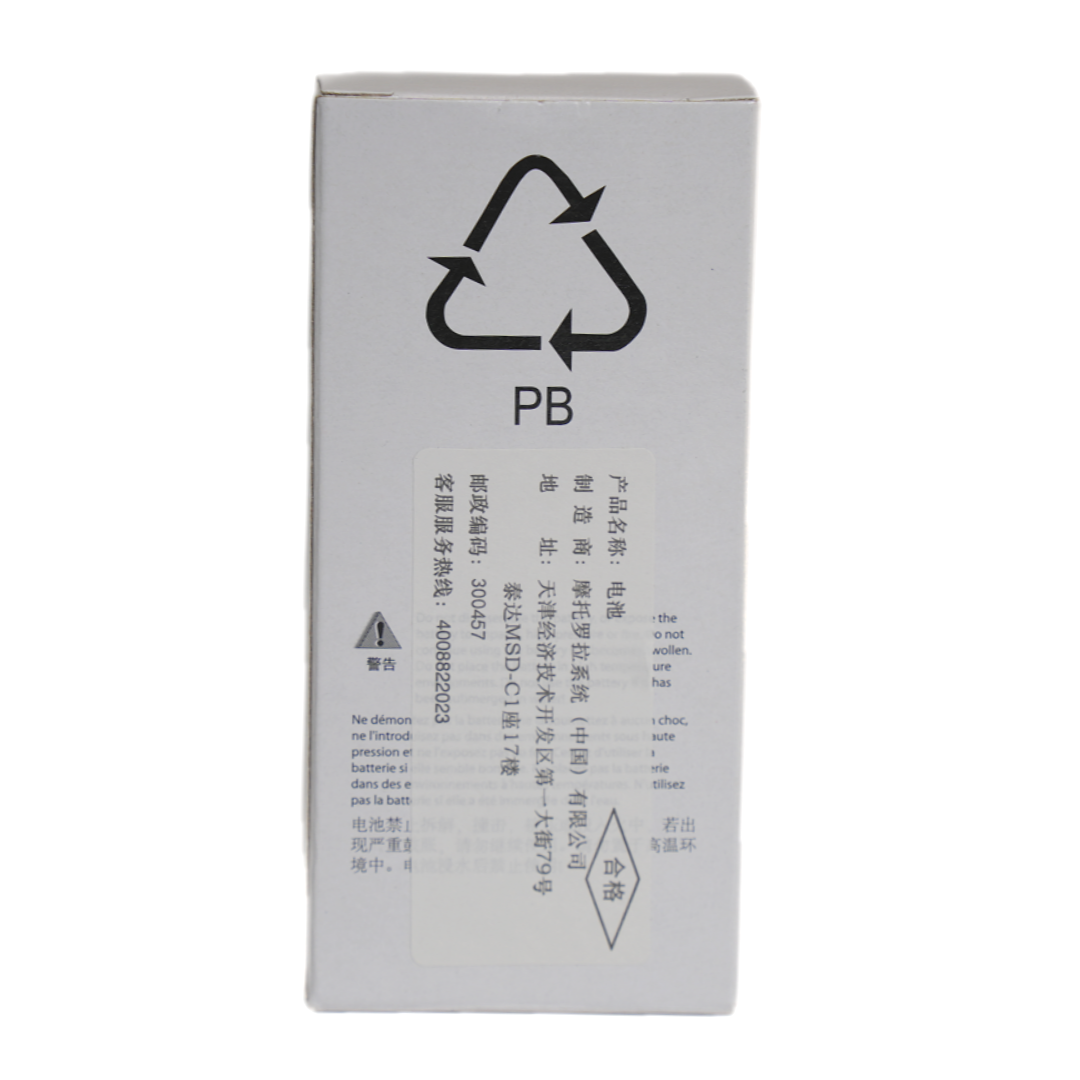
The energy density of these 7.4V thin lithium - ion batteries is a remarkable 200 Wh/kg. This high energy density means that the batteries can store more energy in a smaller volume, providing longer battery life for Motorola walkie - talkies. In terms of size, they are 30% thinner than traditional batteries, which significantly enhances the portability of the walkie - talkies. Moreover, these batteries are highly compatible with Motorola walkie - talkies, with a matching rate of over 95%, ensuring seamless integration and optimal performance.
Glossary: Energy density is the amount of energy stored in a given system or region of space per unit volume or mass. It is a crucial metric for evaluating battery performance.
Let's take a real - world design case. In a project for a new - generation Motorola walkie - talkie, the battery layout was carefully optimized. By placing the battery in a strategic position, the internal structure of the walkie - talkie was streamlined, and the overall weight was reduced by 15%. This not only improved the device's portability but also enhanced the heat dissipation efficiency. The heat dissipation rate increased by 20%, which is crucial for maintaining the stability and longevity of the battery. 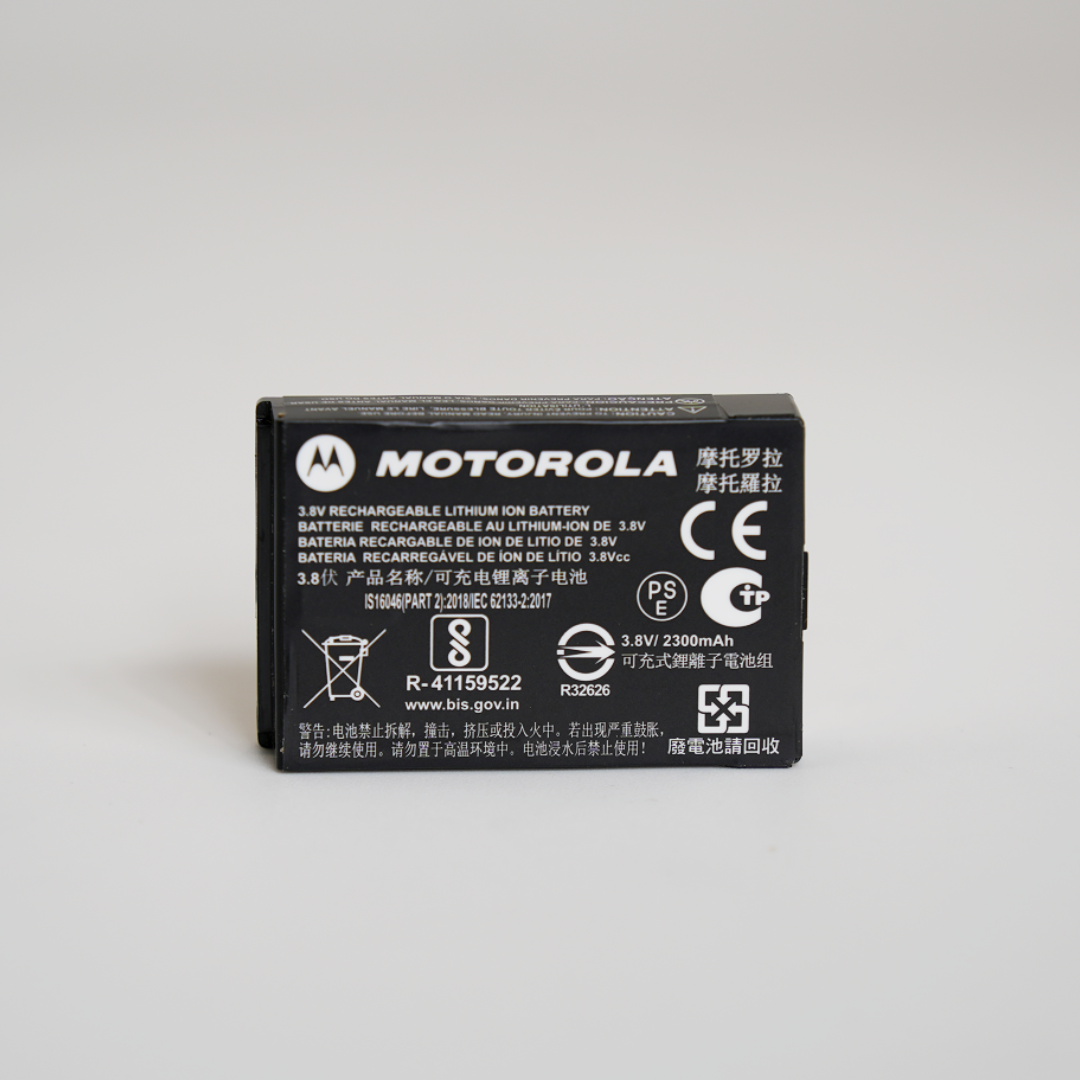
The Battery Management System (BMS) is an integral part of these batteries. It ensures the safety and longevity of the batteries through several key functions. For example, the BMS can prevent over - charging and over - discharging, which are the main causes of battery damage. In fact, with the BMS, the battery life can be extended by up to 30%. The BMS also monitors the battery's temperature, voltage, and current in real - time, providing comprehensive protection.
Glossary: Battery Management System (BMS) is an electronic system that manages a rechargeable battery (cell or battery pack), such as by protecting the battery from operating outside its safe operating area, monitoring its state, calculating secondary data, reporting that data, controlling its environment, authenticating it and / or balancing it.
Looking at the industry trends, we can see that the future of wireless communication device batteries will focus on higher energy density, better safety, and more intelligent management. For instance, new battery chemistries are being explored to further increase energy density. In addition, the integration of artificial intelligence in BMS is expected to become more prevalent, enabling more precise battery management.
If you're interested in learning more about how these 7.4V thin lithium - ion batteries can optimize your wireless communication products, click here to discover more!
What do you think are the most important factors in choosing a battery for wireless communication devices? And how do you see the future development of battery technology in this field? Share your thoughts in the comments below.






.png?x-oss-process=image/resize,h_600,m_lfit/format,webp)
.png)


 Facebook