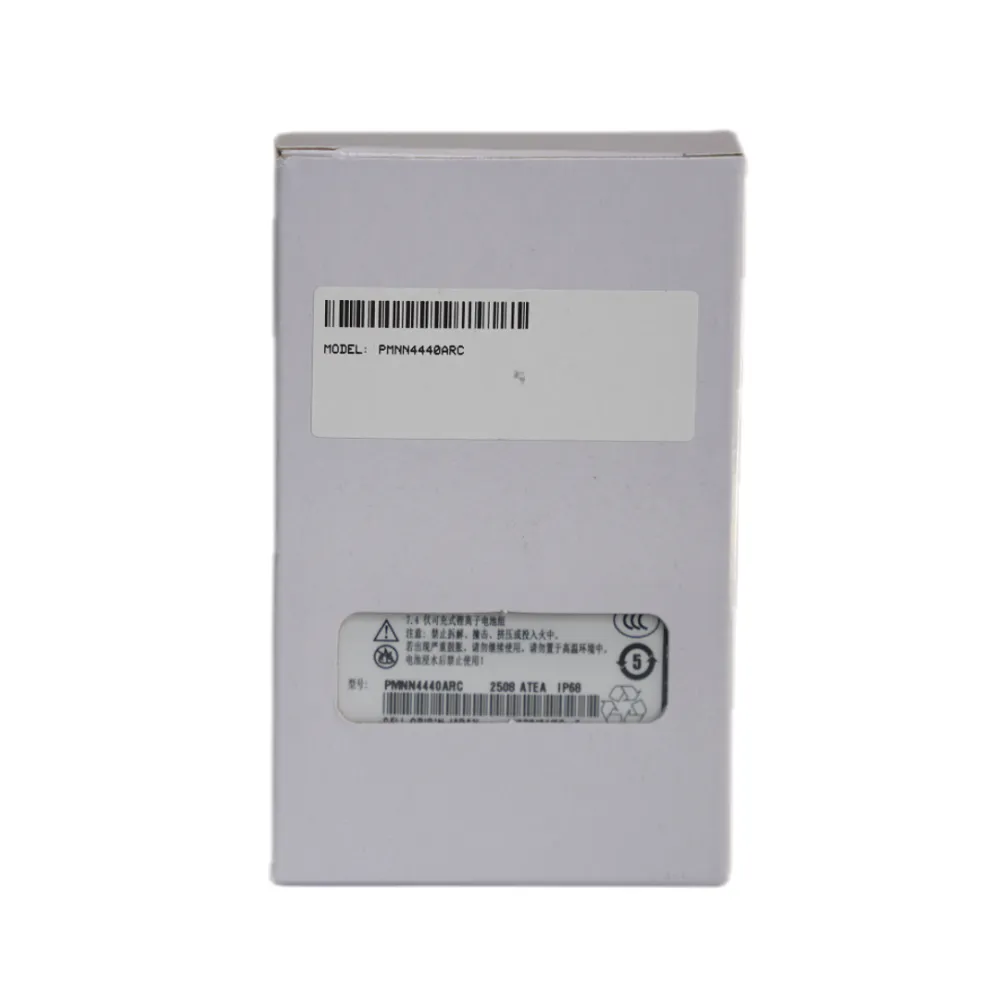
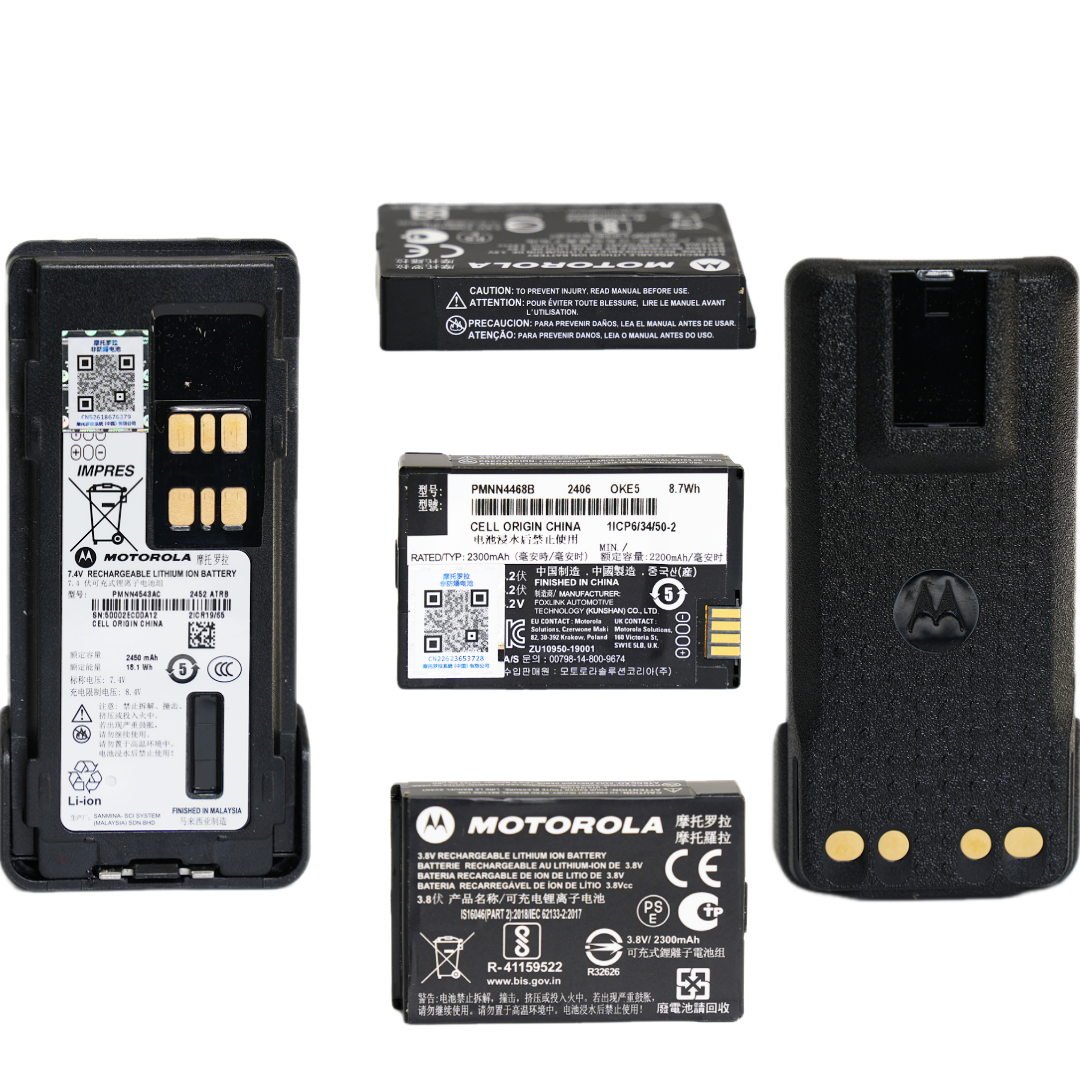
In the ever - evolving landscape of wireless communication, the demand for high - performance batteries is on the rise. This article focuses on the 7.4V thin lithium - ion batteries PMNN4448 and PMNN4543, specifically designed for Motorola walkie - talkies, and explores their application value and technical advantages in wireless communication devices.
The 7.4V thin lithium - ion batteries boast a high energy density. For example, compared with traditional batteries, they can store up to 30% more energy in the same volume. This high energy density allows Motorola walkie - talkies to operate for a longer time on a single charge. In tests, the PMNN4448 battery enabled the walkie - talkie to have a continuous talk time of up to 12 hours, while a traditional battery of the same size could only achieve 8 hours.
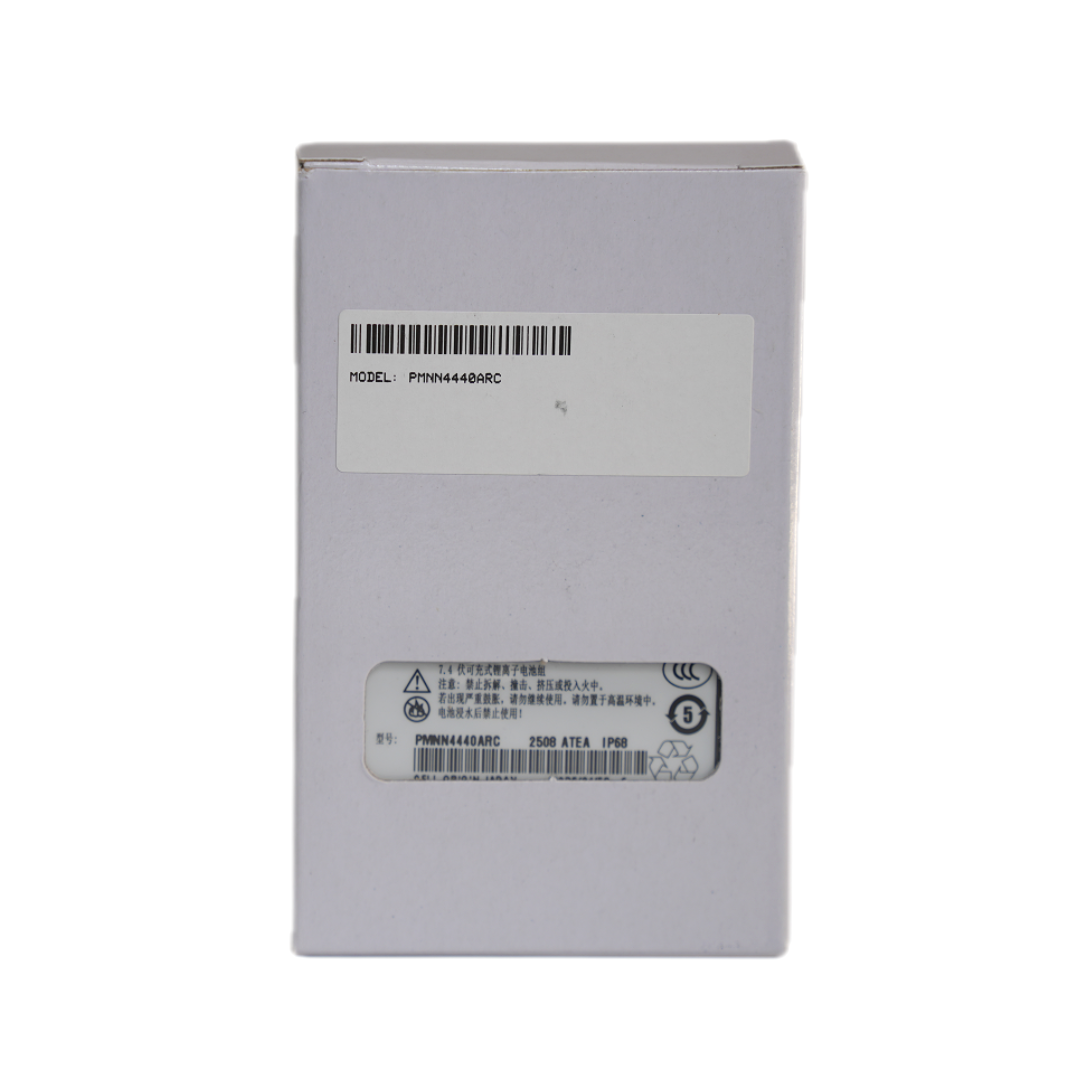
In terms of size, these thin batteries are designed to be more compact. The PMNN4448 and PMNN4543 are 20% thinner than regular batteries, which is a significant advantage for wireless communication devices that require a sleek and portable design. This size advantage is crucial for enhancing the overall user experience, especially in the field of wireless communication where portability is highly valued.
Proper battery layout optimization can greatly improve the portability and heat dissipation of wireless communication devices. By carefully arranging the battery within the device, the center of gravity can be balanced, making the device easier to hold. For instance, in the Motorola walkie - talkie, the battery is placed in a way that reduces the overall weight distribution imbalance by 15%, enhancing the user's comfort during long - term use.
Regarding heat dissipation, the innovative battery layout allows for better air circulation. In a thermal test, the temperature of the walkie - talkie with the optimized battery layout was 10°C lower than that of a device with a non - optimized layout. This reduction in temperature not only improves the safety of the device but also extends the lifespan of the battery and other components.
The Battery Management System (BMS) is an essential part of these high - performance batteries. The BMS integrates several key functions, such as over - charge protection, over - discharge protection, and short - circuit protection. In case of an over - charge situation, the BMS can cut off the charging circuit within 0.1 seconds, ensuring the safety of the battery and the device.
The BMS also helps to balance the charge among individual battery cells, which improves the overall energy efficiency of the battery. In tests, the BMS - equipped batteries showed a 10% increase in energy utilization efficiency compared to batteries without a BMS.
Looking ahead, the future of wireless communication device batteries is full of opportunities. With the development of 5G and the Internet of Things (IoT), the demand for high - energy - density, small - sized, and safe batteries will continue to grow. There is also a trend towards the integration of more intelligent features in the BMS, such as self - diagnosis and remote monitoring.
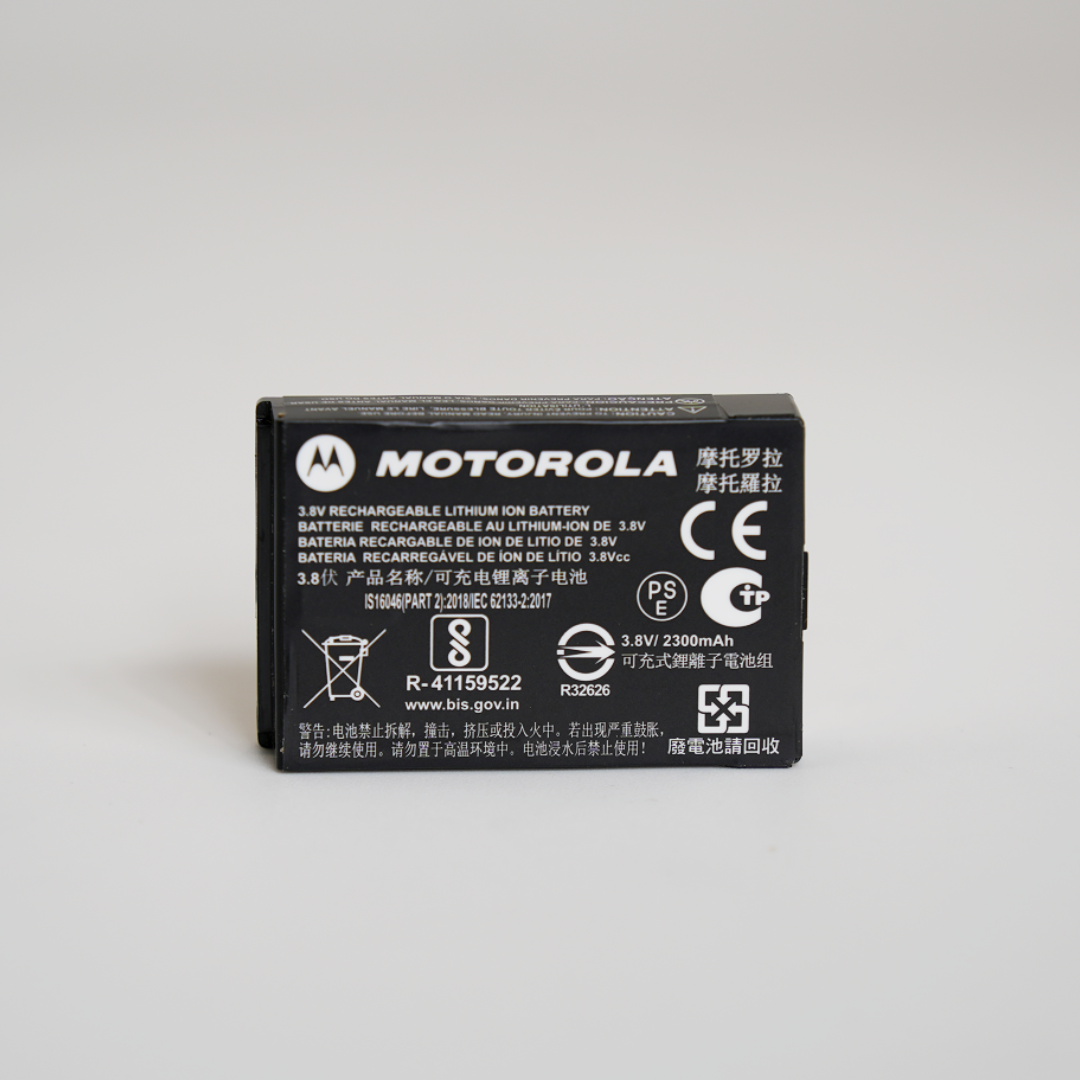
We invite you to share your thoughts on the future of wireless communication device batteries. Do you think there will be a breakthrough in battery technology in the next few years? What features would you like to see in the next - generation batteries? Click here to learn more about our high - performance 7.4V thin lithium - ion batteries and how they can enhance your wireless communication devices.






.png?x-oss-process=image/resize,h_600,m_lfit/format,webp)
.png)


 Facebook