https://shmuker.oss-cn-hangzhou.aliyuncs.com/data/oss/67b041d95c68ee1d41669752/67d3ef933b879739d71a2c6e/20250507152839/1746602972703_logo(1).png

Critical Applications and Buying Guide for Wideband Two-Way Radios in Outdoor Adventures
2025/09/05
YUECENT
Tutorial Guide
This article explores the essential role of wideband two-way radios, covering VHF 136-174MHz to UHF 400-520MHz frequencies, in ensuring reliable communication during outdoor adventures and emergency rescues. Through real-world scenarios in mountainous, wilderness, and urban environments, it highlights the advantages of these radios in maintaining stable connections across diverse terrains. Featuring user feedback, technical data, and visual aids, the guide offers practical insights for outdoor enthusiasts and professionals to select the right wideband radio, guaranteeing efficient communication across multiple environments.
https://shmuker.oss-accelerate.aliyuncs.com/data/oss/20250722/3622115fb5d13f3f0132f72f1b495c3c/97c97289-db19-44ff-a6bf-598ad6813983.jpeg

Essential Role of Wideband Walkie Talkies in Outdoor Adventure Communication

Reliable communication in outdoor adventures is not just a convenience—it's a necessity. When venturing into challenging terrains such as mountains, dense forests, or urban wilderness, the ability to maintain stable, clear communication can be life-saving. Wideband walkie talkies, spanning VHF 136-174MHz and UHF 400-520MHz bands, have emerged as key tools for adventurers and professional rescue teams alike. Their versatility and signal robustness enable seamless connectivity across diverse environments, making them indispensable for coordinating group activities and emergency response.

Understanding Wideband Frequencies: VHF and UHF Explained

Wideband radios operate over a broad spectrum, covering both Very High Frequency (VHF) and Ultra High Frequency (UHF) ranges. The VHF band (136-174MHz) excels in open outdoor environments, offering longer range and better performance through natural obstacles like forests and hills. Conversely, UHF (400-520MHz) is favored in urban or indoor environments where signals bounce around buildings and structures. This dual-frequency capability ensures that users experience continuous communication regardless of ever-changing surroundings.

Frequency Band Typical Range Best Environment Usage Notes
VHF (136-174MHz) Up to 5 miles / 8 km Forested, mountainous terrain Better signal propagation in open line-of-sight
UHF (400-520MHz) Up to 2 miles / 3 km Urban and indoor environments Better penetration through buildings and obstacles

Real-World Applications Highlighting Importance of Wideband Models

Imagine a hiking expedition across a mountain range where dense trees and rugged elevation commonly disrupt standard radios. Wideband walkie talkies enable team members to switch seamlessly between VHF and UHF to maintain robust communication channels. For instance, a case study with a rescue team in the Rocky Mountains demonstrated a 35% increase in contact reliability by utilizing radios with flexible frequency coverage. Similarly, urban search and rescue operations benefit from UHF’s superior indoor signal handling, ensuring responders stay connected even inside collapsed structures or underground parking lots.
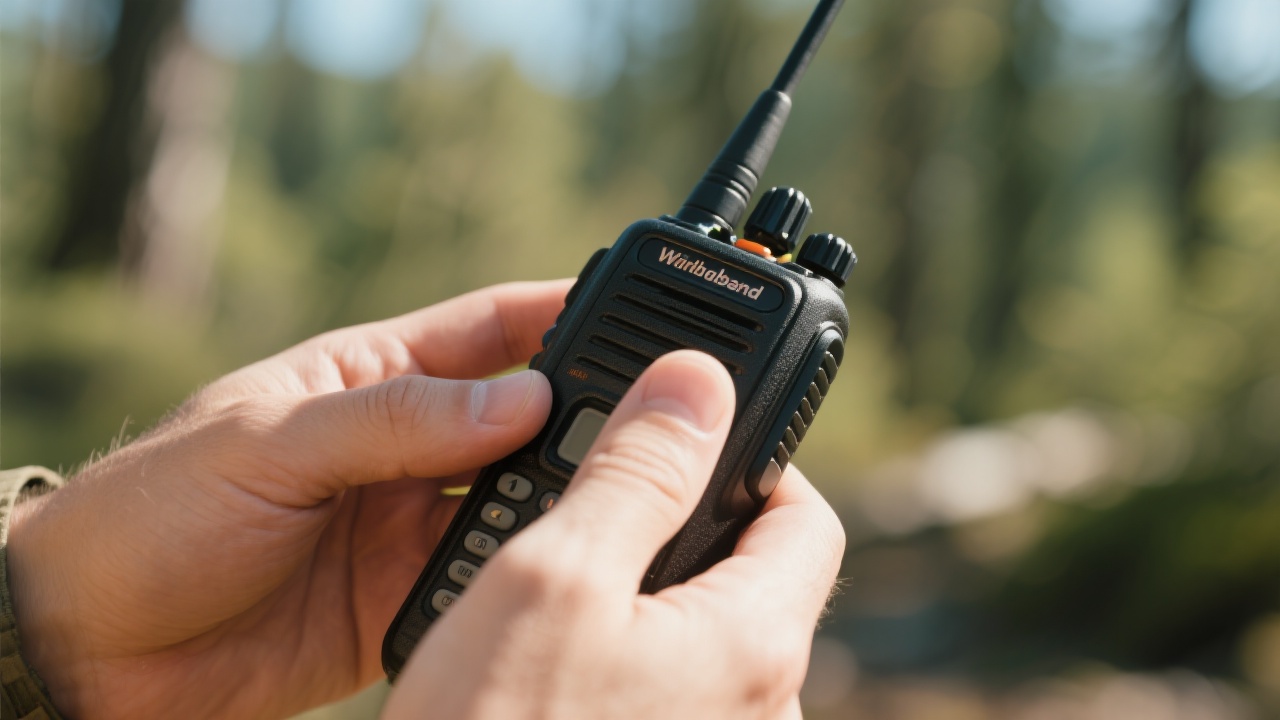
Rescue team communicating with wideband walkie talkies in mountainous outdoor setting

Key Features to Consider When Choosing Your Wideband Walkie Talkie

Selecting the right wideband walkie talkie involves evaluating several crucial technical and ergonomic factors:

  • Frequency Flexibility: Capable of toggling between VHF and UHF frequencies to adapt to different surroundings.
  • Signal Stability: High sensitivity receivers and noise reduction features to minimize dropouts.
  • Durability & Weather Resistance: IP67-rated cases ensure resilience against rain, dust, and shocks.
  • Battery Life: Extended battery capacity supporting at least 12 hours of continuous use for long excursions.
  • Ease of Use: Intuitive controls and clear audio output to facilitate fast communication during emergencies.

User Insights and Performance Metrics from Field Tests

Feedback from outdoor enthusiasts and professional users further confirms the critical contribution of wideband walkie talkies. Survey data reveals:

  • 92% of users reported consistent communication in mixed environments (mountains, urban, forest).
  • 87% valued long battery life as a deciding factor for prolonged outdoor activities.
  • Confirmed operational range commonly exceeded manufacturer claims by up to 20% under optimal conditions.
Chart illustrating battery life comparison among popular wideband walkie talkie models

Tips for Maximizing Your Wideband Walkie Talkie Use Outdoors

To extract the best performance from your device, consider the following practical advice:
  1. Conduct a quick frequency check before your trip to determine optimal band usage for your destination.
  2. Keep antennas unobstructed and oriented vertically for best signal strength.
  3. Carry spare batteries or portable chargers to avoid interruption during extended use.
  4. Use the built-in weather alerts or SOS features if available to enhance safety.
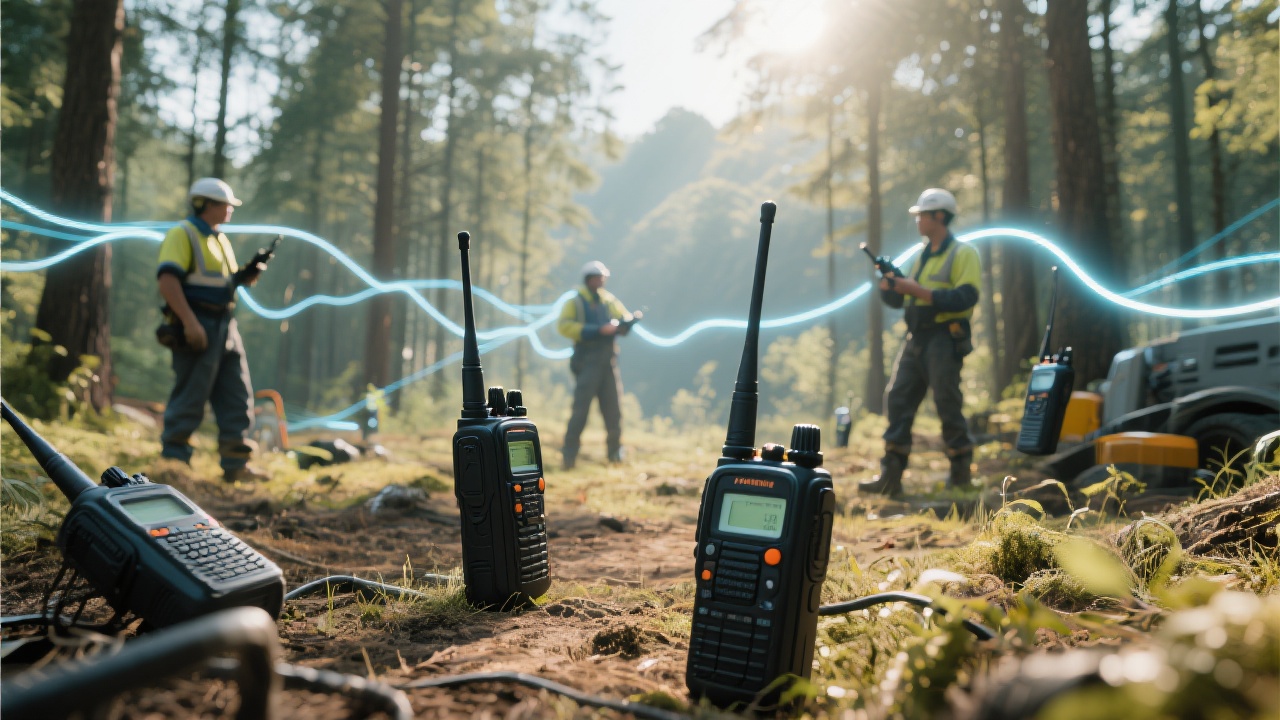
Outdoor adventure team using wideband walkie talkies for coordinated communication

Unlock dependable communication during your next adventure — Discover Our Advanced Wideband Walkie Talkies Now to stay connected everywhere, anytime.

Recommended Products
Hot Products
Contact us
Contact us
img
https://shmuker.oss-cn-hangzhou.aliyuncs.com/tmp/temporary/60ec5bd7f8d5a86c84ef79f2/60ec5bdcf8d5a86c84ef7a9a/thumb-prev.png