
In the era of rapid technological advancement, wireless communication devices are evolving towards thinner, lighter, and higher - performance designs. This trend has brought to the forefront the issue of the contradiction between the miniaturization of wireless devices and their battery life. In this context, the 7.4V thin - type lithium - ion battery has emerged as a crucial technological breakthrough, especially for professional devices like Motorola walkie - talkies.
The demand for smaller and more portable wireless devices is constantly increasing. However, traditional batteries often struggle to meet the power requirements while maintaining a compact size. The 7.4V thin - type battery addresses this problem. For example, in the case of Motorola walkie - talkies, which are widely used in various industries such as security, logistics, and event management, a thinner and more lightweight battery can significantly improve the portability of the device, allowing users to carry it around more conveniently during long - term operations. According to industry research, nearly 70% of professional users of wireless communication devices prioritize portability and battery life when choosing equipment.
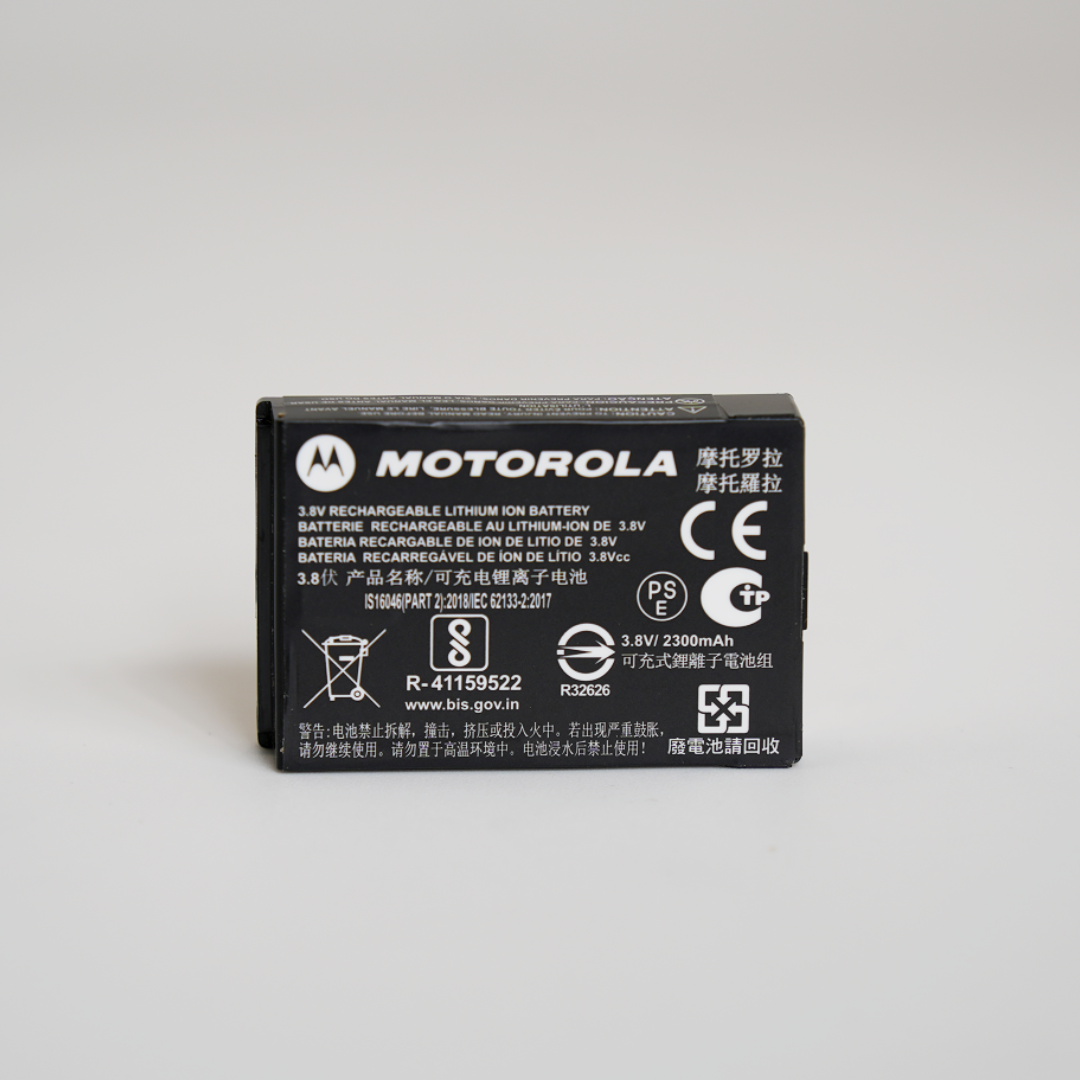
When designing a 7.4V thin - type battery for wireless communication devices, it is essential to consider the synergy between battery performance parameters and the device structure. Key performance parameters such as energy density and voltage platform need to be carefully balanced. A higher energy density means the battery can store more energy in a smaller volume, which is crucial for thin - type batteries. For instance, a 7.4V thin - type battery with an energy density of 200 Wh/L can provide longer battery life for a wireless device compared to a battery with a lower energy density. At the same time, the voltage platform needs to be stable to ensure the normal operation of the device. The design process involves in - depth research on the device's power consumption characteristics and structural limitations to achieve the best fit.
Based on real - world project experience, optimizing the battery layout can bring significant improvements to the overall performance of the device. In terms of weight distribution, a well - designed battery layout can make the device more balanced, reducing user fatigue during long - term use. For example, by evenly distributing the battery weight within the device, the center of gravity can be optimized, making the device more comfortable to hold. In addition, battery layout optimization also has a positive impact on thermal management efficiency. A proper layout can improve heat dissipation, reducing the risk of overheating and prolonging the battery life. Studies have shown that an optimized battery layout can reduce the operating temperature of the battery by up to 10°C, which can significantly extend the battery's service life.
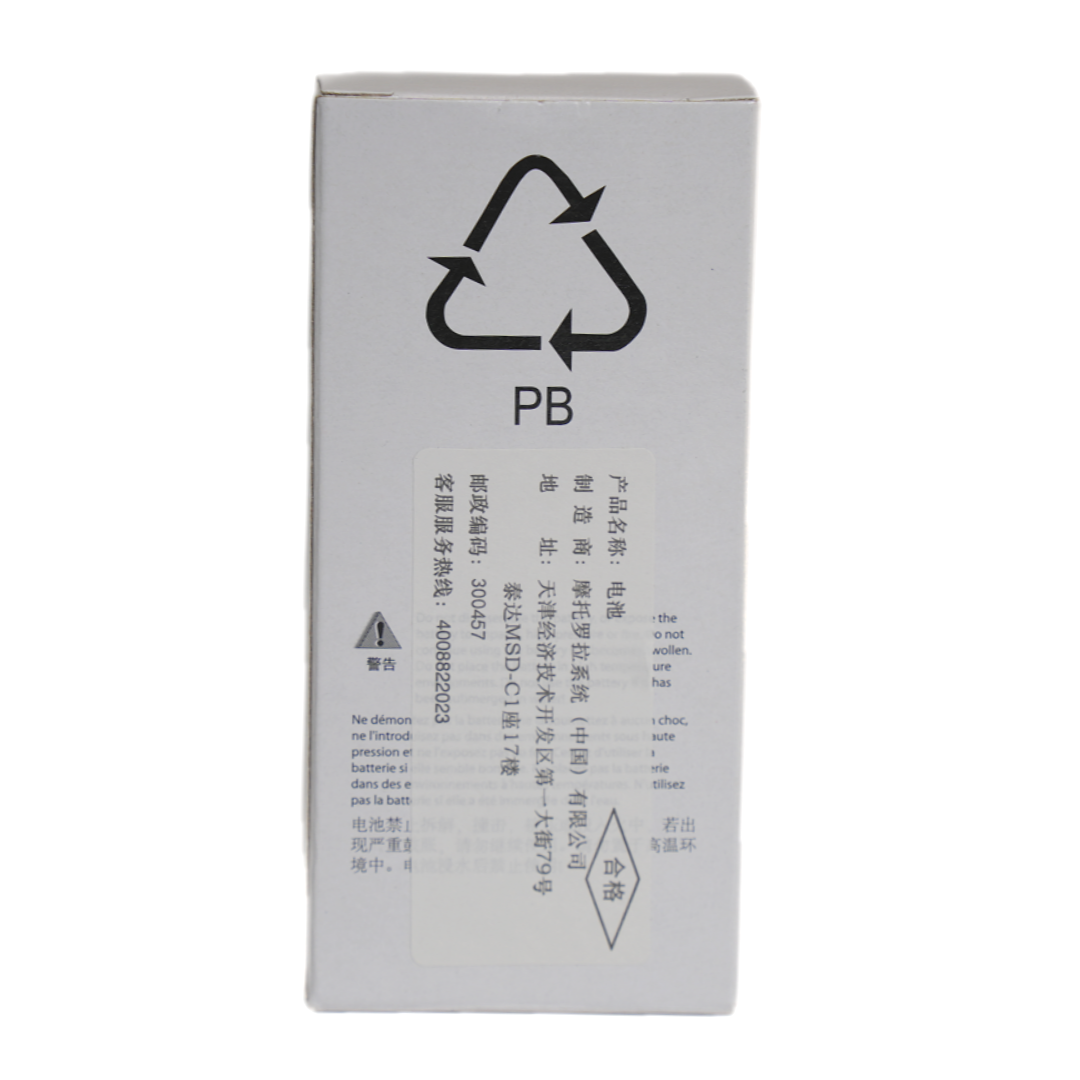
The Battery Management System (BMS) plays a vital role in ensuring the safety and longevity of the 7.4V thin - type battery. It has multiple functions, including over - charge protection, temperature monitoring, and life extension. In terms of over - charge protection, the BMS can accurately detect the battery's state of charge and cut off the charging circuit when the battery is fully charged, preventing over - charging, which can damage the battery. Temperature monitoring is also crucial. The BMS continuously monitors the battery's temperature and takes appropriate measures, such as adjusting the charging or discharging current, to ensure the battery operates within a safe temperature range. By implementing these functions, the BMS can extend the battery's service life by up to 30%.
Looking ahead, next - generation wireless devices will have higher requirements for battery technology. There will be a growing demand for high - energy - density batteries that can provide longer battery life in a smaller size. Fast - charging capabilities will also become a key factor, as users expect to quickly recharge their devices. Moreover, intelligent battery management systems will be more in demand, which can optimize battery performance based on the device's usage patterns. According to industry reports, by 2025, the market share of wireless devices with high - energy - density and fast - charging batteries is expected to reach 60%.
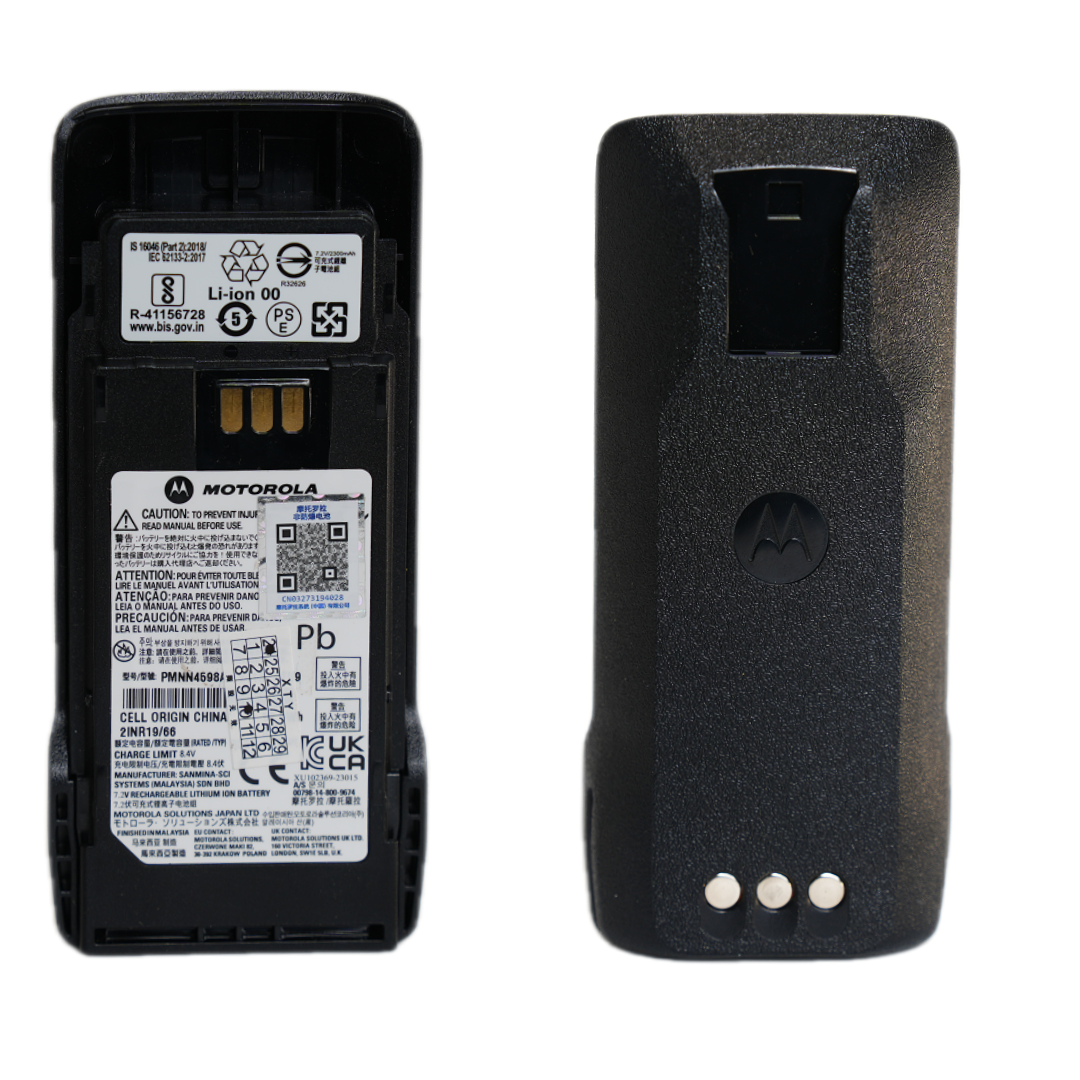
In conclusion, the 7.4V thin - type battery is a significant innovation in the field of wireless communication device batteries. By understanding its market value, design methodology, and future trends, R & D engineers and product managers can make more informed decisions when selecting batteries. If you want to learn more about how to enhance your product competitiveness through battery selection, click here to explore more valuable information.






.png?x-oss-process=image/resize,h_600,m_lfit/format,webp)
.png)


 Facebook