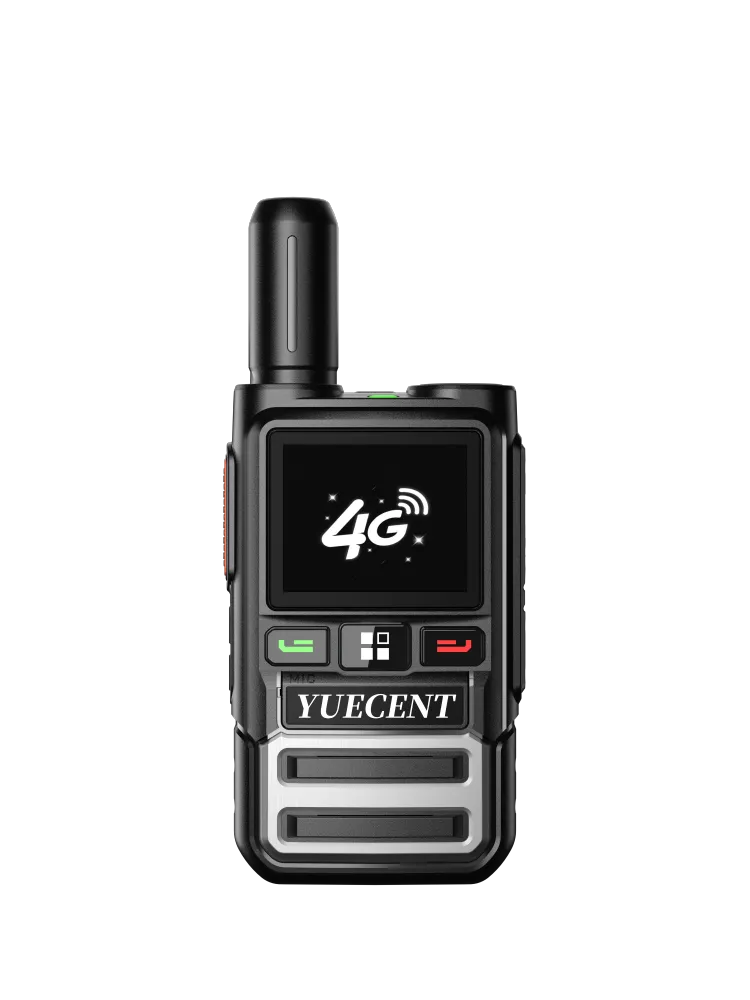
In industrial environments where noise levels often exceed 90 dB—like metal fabrication plants or textile mills—miscommunication isn’t just inconvenient—it’s dangerous. A study by OSHA found that over 40% of workplace accidents in manufacturing are linked to poor internal communication. That’s why investing in reliable, real-time wireless solutions like the YUECENT Y50X Global Walkie-Talkie is no longer optional—it’s a safety imperative.
Workers in noisy settings rely on visual cues and verbal commands—but when machines roar at 85–100 dB, even shouting becomes ineffective. According to a 2023 McKinsey report, factories using outdated walkie-talkies see up to 27% more production delays due to unclear instructions. What’s worse? Miscommunication leads to equipment misuse, missed quality checks, and delayed emergency responses.
That’s where the Y50X shines—not with flashy features, but with precision engineering tailored for real-world chaos.
| Feature | Impact on Factory Operations |
|---|---|
| PTT (Push-to-Talk) | Reduces response time from 15+ seconds to under 2 seconds—critical during emergencies. |
| Public Network Coverage | No need for dedicated radio towers—works across entire facilities, even in multi-story warehouses. |
| Anti-Interference Design | Maintains signal clarity even near CNC machines or high-voltage systems. |
| AES-256 Encryption | Protects sensitive production data from eavesdropping—especially vital in smart factory deployments. |
These aren’t just specs—they’re operational advantages. For example, one automotive parts supplier in Germany reported a 35% drop in assembly errors after switching to Y50X units. Their team could now confirm part numbers instantly without interrupting workflow.
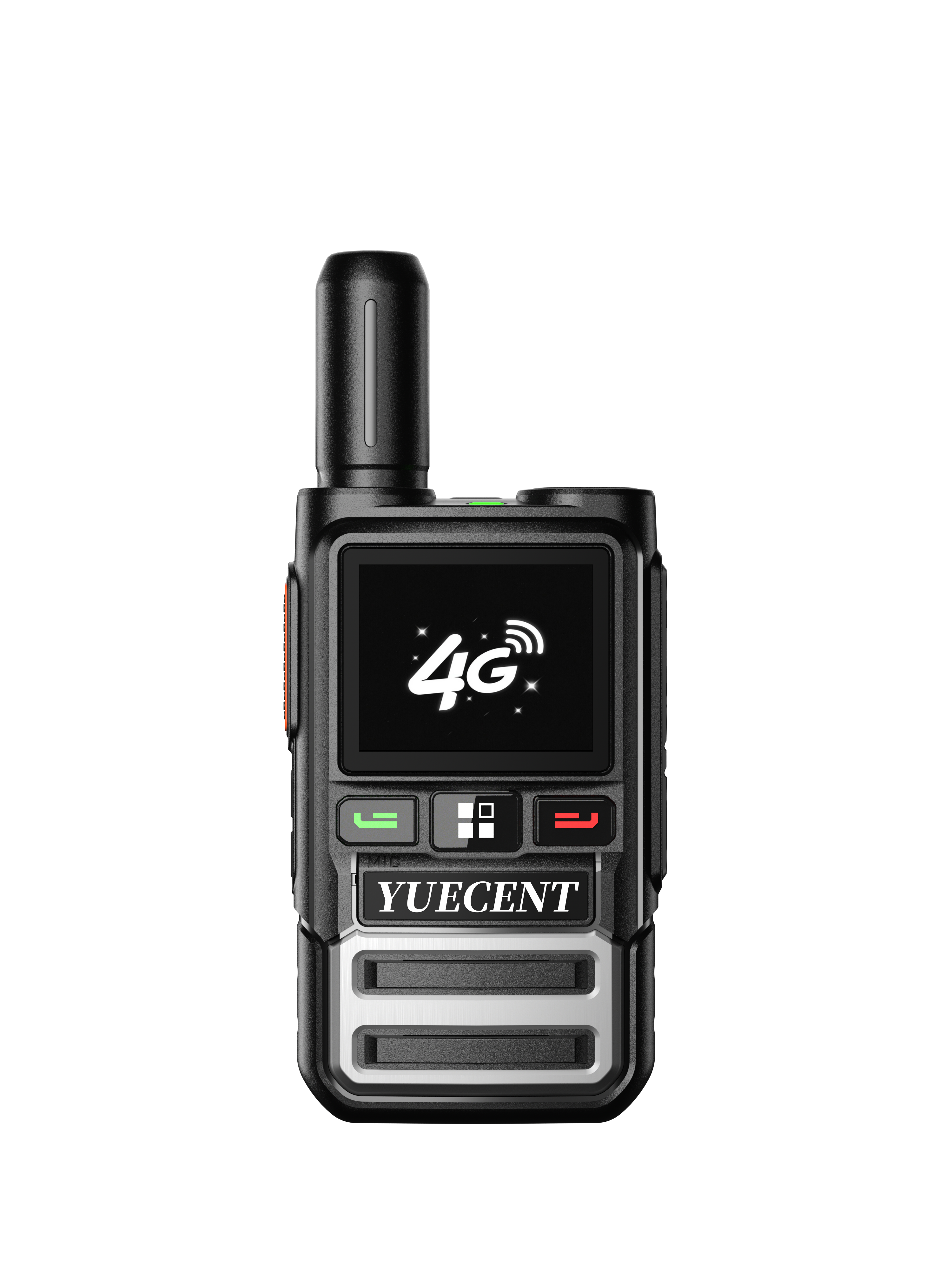
The Y50X boasts an IP68 rating—meaning it survives dust immersion, water jets, and even temporary submersion. With a 24-hour battery life under continuous use, it outlasts most competitors’ 8–12 hour cycles. Add in intelligent noise-canceling algorithms that filter out ambient sound while amplifying human voices, and you have a device that actually improves team cohesion—not just connectivity.
Deploying effective communication tools isn’t about buying hardware—it’s about aligning tech with process. Start with identifying high-risk zones: machine rooms, loading docks, or maintenance areas. Then, train staff not just on how to press PTT—but how to use structured voice protocols (e.g., “Team Alpha, Station 3, urgent stop needed”).
For companies considering scale-up, we recommend starting with pilot teams of 5–10 users before full rollout. This minimizes disruption and allows feedback loops—something our clients at a UAE-based logistics hub used to refine their deployment strategy across three shifts.
If you're evaluating solutions for your plant, ask yourself: Can this system handle both daily coordination and crisis response? Does it integrate with existing workflows—or force change?
Don’t guess. Get expert guidance.
Get Your Free Industrial Communication Equipment Selection Guide (PDF)Question for you: What’s the biggest communication challenge your team faces today—and how might a solution like the Y50X help?






.png?x-oss-process=image/resize,h_600,m_lfit/format,webp)
.png)


.png?x-oss-process=image/resize,h_600,m_lfit/format,webp)


 Facebook