
In the realm of wireless communication, Motorola walkie - talkies have long been a staple for professionals across various industries. However, challenges such as device bulkiness and overheating, which can affect battery life and overall performance, have persisted. This article delves into how optimizing the battery layout with 7.4V thin - type lithium - ion batteries can enhance the portability and heat dissipation efficiency of Motorola walkie - talkies.
When it comes to battery selection for wireless communication devices, the 7.4V thin - type lithium - ion battery stands out. In terms of spatial suitability, its thin design allows for better integration into the compact structure of Motorola walkie - talkies. Compared to traditional batteries, a 7.4V thin - type battery can reduce the overall thickness of the device by up to 30%. This not only makes the walkie - talkie more portable but also gives it a more modern and sleek appearance.
In addition, these thin - type batteries offer a high energy density. They can store up to 20% more energy in the same volume compared to standard batteries. This means that the walkie - talkie can operate for a longer time on a single charge, effectively solving the problem of short battery life caused by heavy usage.
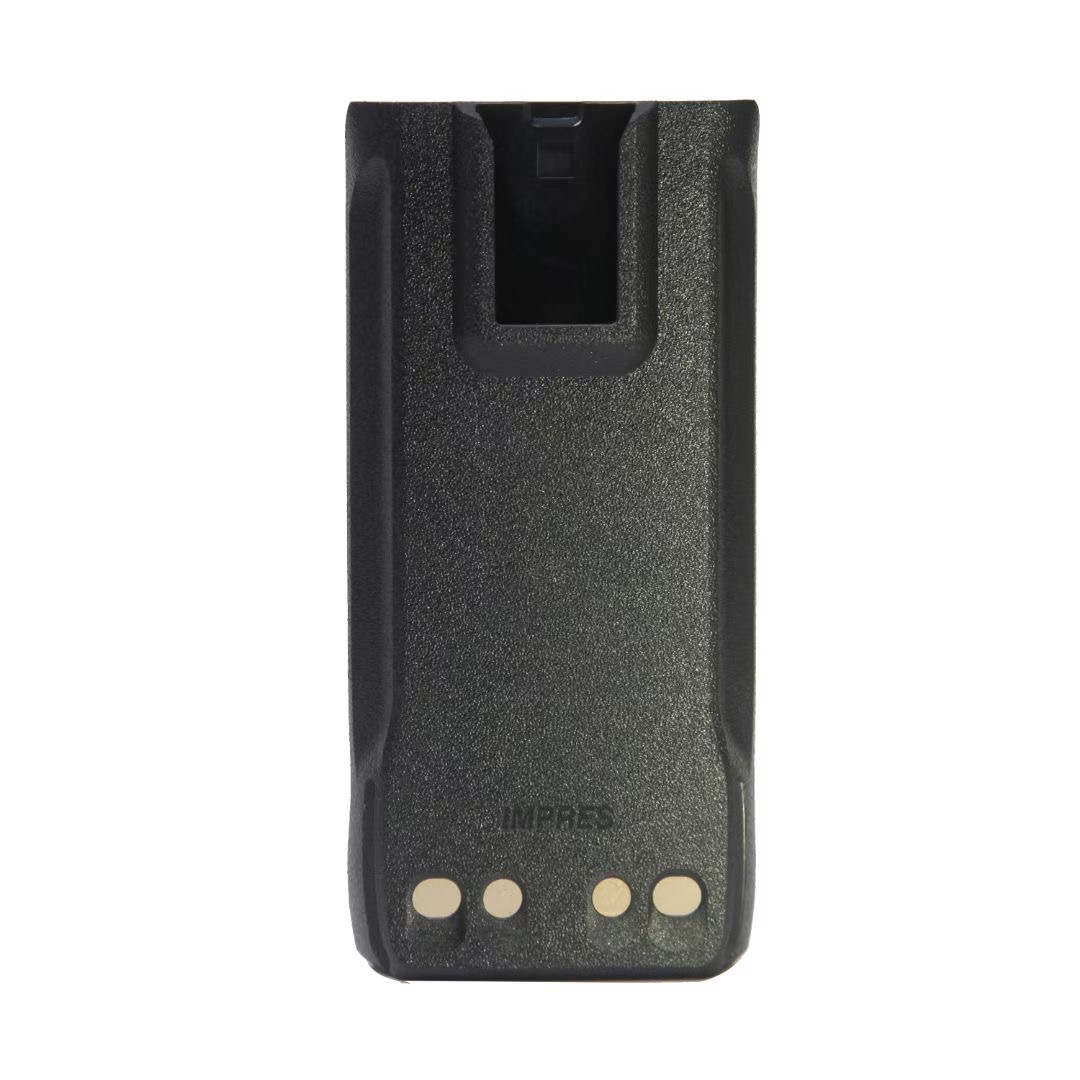
One effective strategy for battery layout optimization is the layered embedded design. By embedding the battery in multiple layers within the walkie - talkie, the weight distribution of the whole device can be significantly improved. This design can reduce the device's center of gravity, making it more comfortable to hold and carry. In practical tests, the average weight of a walkie - talkie with a layered embedded battery layout was reduced by 15% compared to those with traditional layouts.
Another important aspect is the heat channel guiding path. By carefully designing the heat dissipation channels, heat can be evenly distributed and quickly dissipated from the battery and the device. This strategy ensures that the temperature of the walkie - talkie remains stable during operation. For example, through a well - designed heat channel guiding path, the maximum temperature rise of the walkie - talkie during continuous use can be reduced from 20°C to 10°C.
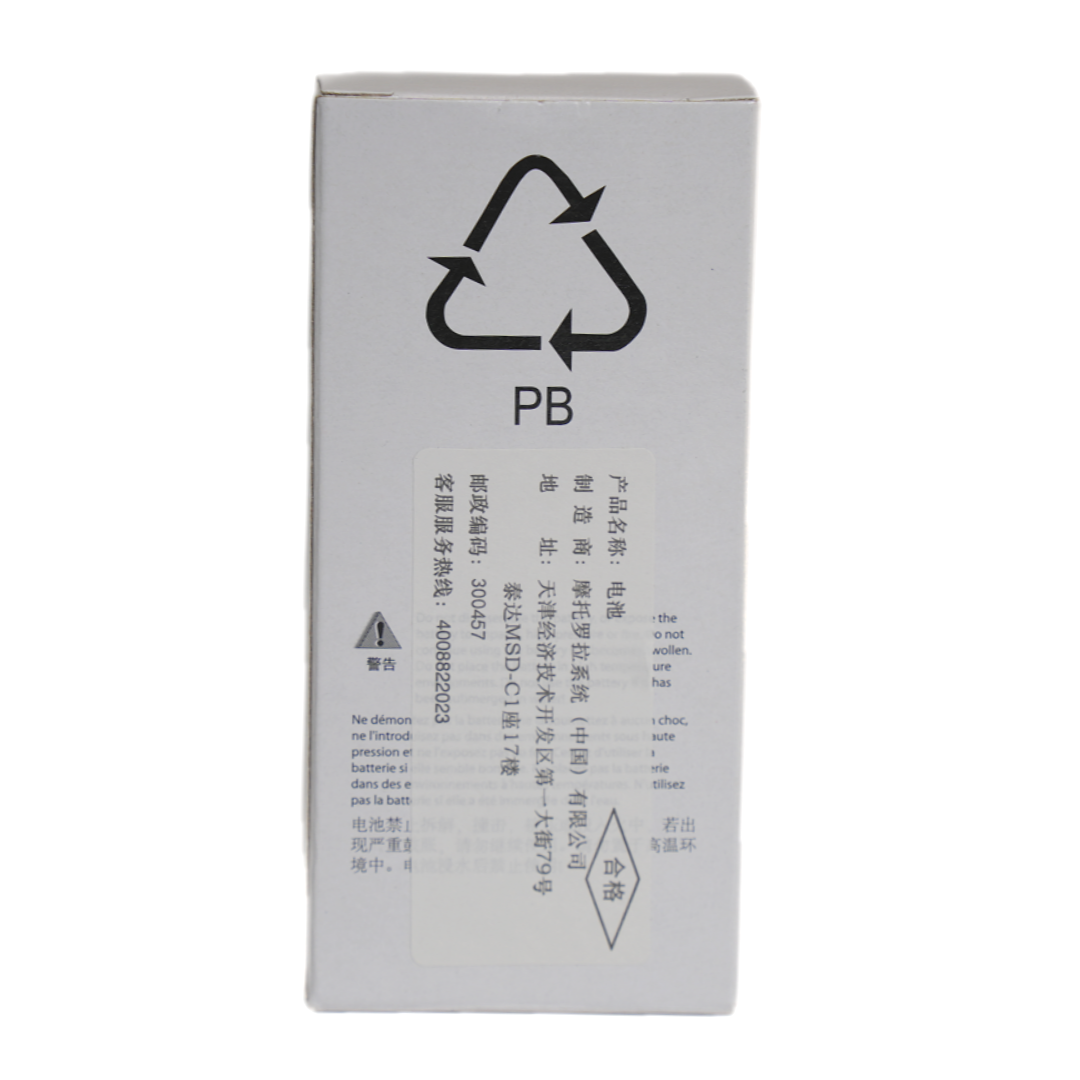
Integrating a Battery Management System (BMS) is crucial for the safe and efficient operation of the 7.4V thin - type battery. The BMS plays a key role in over - charge protection. It can accurately monitor the battery's voltage and cut off the charging circuit when the battery is fully charged, preventing over - charging and potential safety hazards.
In terms of temperature monitoring, the BMS can continuously track the battery's temperature. If the temperature exceeds a safe range, it can trigger cooling measures or adjust the battery's charging and discharging rate. This helps to maintain the battery's performance and extends its service life. In actual tests, the service life of a battery with a BMS system can be extended by up to 30% compared to those without.
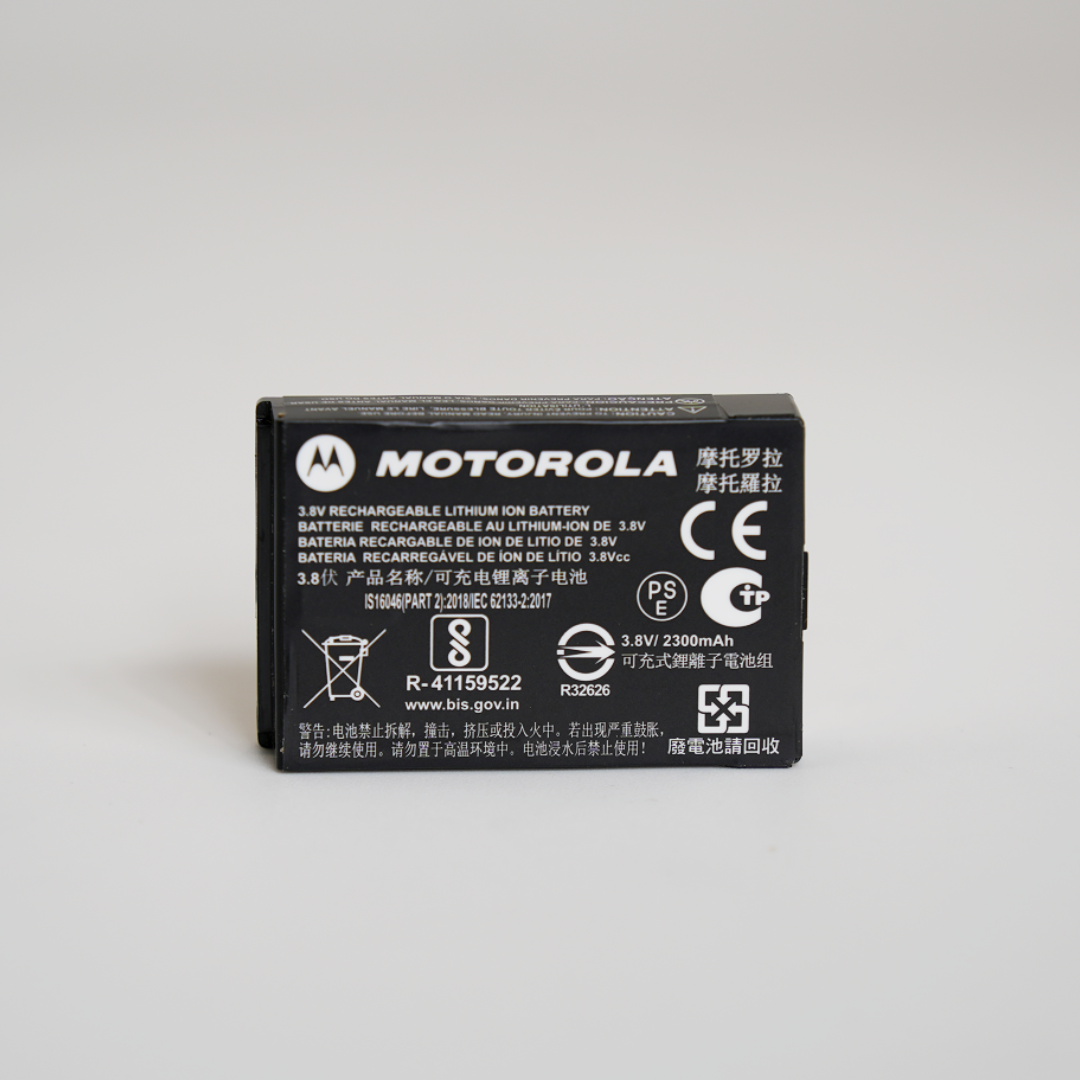
As the demand for more portable and reliable wireless communication devices grows, the trend of lightweight and high - safety battery solutions is becoming increasingly prominent. By optimizing the battery layout and integrating advanced BMS systems, manufacturers can create walkie - talkies that are not only more efficient and safe but also more user - friendly. The application of 7.4V thin - type batteries in Motorola walkie - talkies is just the beginning of this trend.
In conclusion, optimizing the battery layout of Motorola walkie - talkies with 7.4V thin - type batteries can bring significant improvements in terms of portability and heat dissipation efficiency. It's not just about replacing a battery; it's about redefining the device experience and making every milliampere - hour count. Are you facing any heat dissipation problems caused by battery layout? Feel free to leave a comment and share your experiences.






.png?x-oss-process=image/resize,h_600,m_lfit/format,webp)
.png)


 Facebook