
In industrial settings, especially in explosive and noisy environments, reliable communication is crucial for ensuring smooth production processes and the safety of workers. This article delves into the requirements for industrial intercom devices in explosive environments, analyzes key technologies, and provides a comprehensive solution for industrial communication.
Explosive and noisy industrial sites present unique challenges to communication. In such environments, traditional communication methods often fail to meet the needs for stable, secure, and efficient communication. For example, in a chemical plant or an oil refinery, the presence of flammable gases and liquids requires communication devices to be explosion - proof. Additionally, the high - decibel noise from machinery can make it difficult for workers to hear and understand each other.
Push - to - Talk (PTT) technology allows users to communicate with a single press of a button. This feature is particularly useful in industrial settings where workers need to communicate quickly and efficiently. For instance, in a large manufacturing plant, workers can use PTT to instantly connect with their team members, ensuring that instructions are delivered in a timely manner. According to industry statistics, PTT can reduce communication response time by up to 50% compared to traditional voice calls.
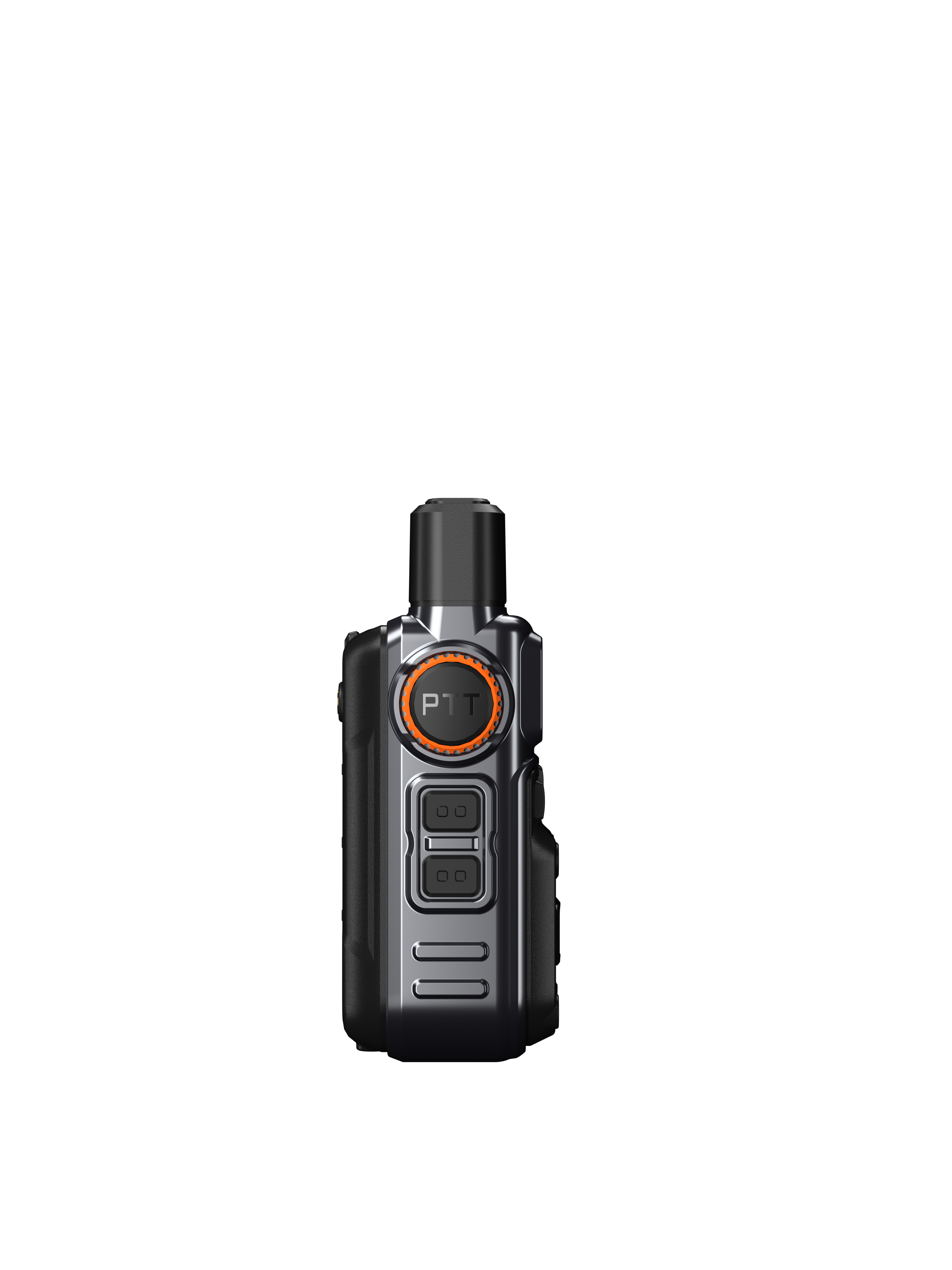
Public network intercom coverage provides a wide - range communication solution. It enables workers to communicate across different areas of an industrial site, regardless of the distance. With the support of 4G or 5G networks, the intercom devices can ensure seamless communication. In a large - scale industrial park, public network intercom can cover an area of up to several square kilometers, facilitating communication between different workshops and departments.
Intelligent anti - interference technology is essential in noisy industrial environments. By using advanced signal processing algorithms, the intercom devices can filter out background noise and ensure clear voice transmission. In a steel mill where the noise level can reach over 100 decibels, intelligent anti - interference design can improve voice clarity by up to 80%, allowing workers to communicate effectively.
Security is a top concern in industrial communication. AES - 256 encryption technology provides a high - level of security for data transmission. It protects sensitive information from being intercepted or tampered with. In industries where trade secrets and production data are involved, such as high - tech manufacturing, AES - 256 encryption ensures that communication remains confidential and secure.
The IP68 protection level means that the intercom devices are dust - proof and waterproof. They can withstand harsh industrial environments, such as being submerged in water or exposed to dust and debris. This durability ensures a long service life for the devices, reducing the need for frequent replacements. In a mining site or a construction site, IP68 - rated devices can operate normally even in the most challenging conditions.
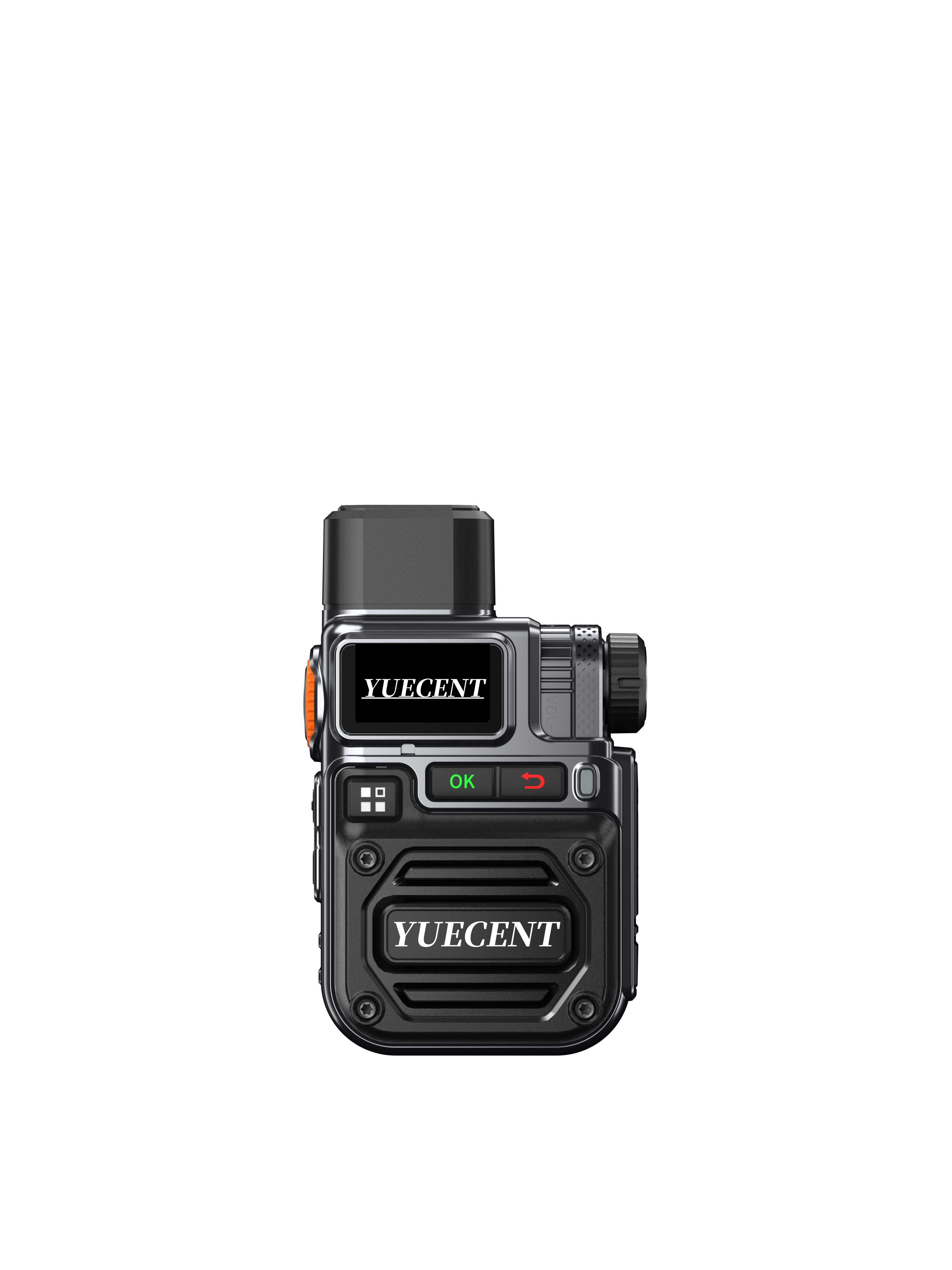
Long - lasting battery life is crucial for industrial intercom devices. Workers need devices that can operate continuously throughout their shifts without the need for frequent recharging. Modern intercom devices can offer a battery life of up to 24 hours on a single charge, ensuring uninterrupted communication during long working hours.
When deploying intercom devices in industrial sites, factors such as the layout of the workshop, the number of workers, and the communication requirements need to be considered. For example, in a multi - floor factory, the devices need to be installed in strategic locations to ensure full coverage. Additionally, the devices should be easy to operate, with simple interfaces and intuitive controls. This allows workers to quickly master the operation of the devices, reducing the learning curve.
To select the right intercom devices for different industrial workshop environments, users need to consider the specific requirements of their sites. For example, in a food processing plant, devices with antibacterial properties may be preferred. After selecting the devices, proper training should be provided to workers. Training can improve workers' proficiency in using the devices, ensuring that they can communicate effectively in emergency situations.
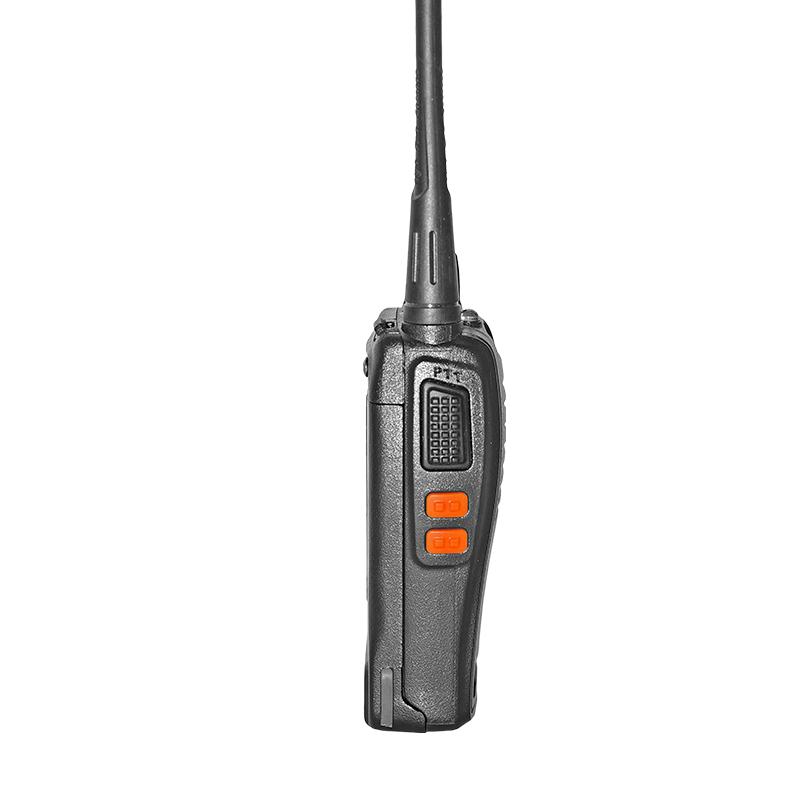
Are you facing communication barriers in your industrial site? Share your experiences in the comments below. To learn more about selecting the right intercom devices for your industrial environment, download our free Selection Guide PDF or schedule a consultation with our technical experts.






.png?x-oss-process=image/resize,h_600,m_lfit/format,webp)
.png)




 Facebook