
In the bustling environment of industrial factories, the persistent noise from machinery and equipment often poses significant challenges to internal communication. This not only affects the efficiency of teamwork but also has a direct impact on production safety. According to industry statistics, nearly 30% of industrial accidents are related to ineffective communication. Therefore, finding a reliable communication solution has become an urgent need for industrial managers and equipment purchasers.
In a factory workshop filled with deafening noise, traditional communication methods such as voice calls are often ineffective. The high - decibel noise can easily drown out voices, leading to misunderstandings or missed information. This communication barrier can cause delays in production tasks, increase the risk of errors, and even endanger the safety of workers. For example, in a steel - making plant, where the noise level can reach up to 110 decibels, workers may fail to receive critical instructions in time, resulting in potential accidents.
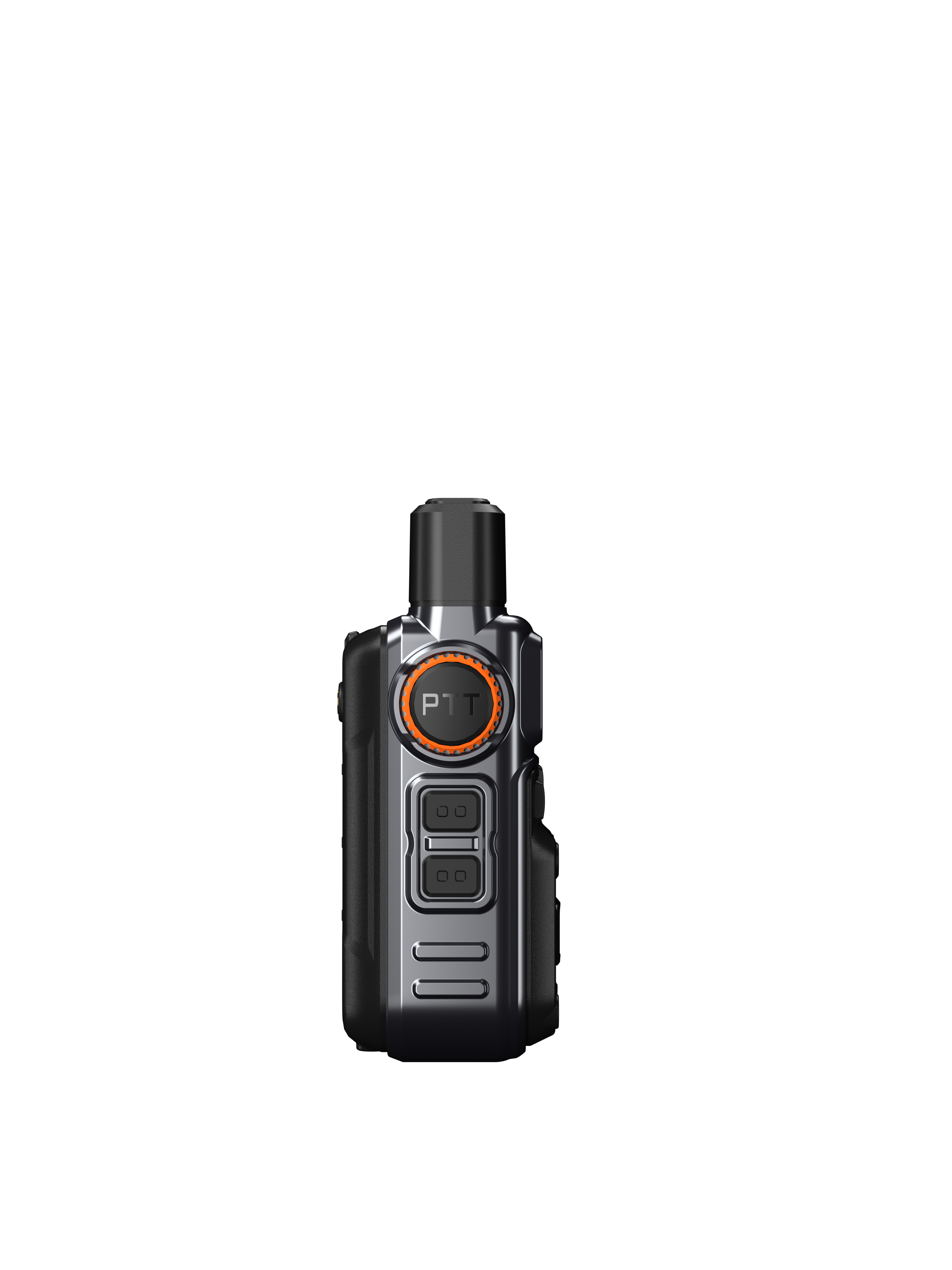
PTT (Push - to - Talk) one - key call technology allows users to quickly establish communication with one or multiple parties by simply pressing a button. This technology significantly reduces the time required to initiate a call, improving the response speed of the team. In a large - scale manufacturing factory, workers can use PTT to instantly communicate with colleagues in different areas, ensuring smooth information flow.
Public network - based intercom systems offer extensive coverage, enabling communication across different regions within the factory. Unlike traditional private - network intercoms, public network intercoms can use the existing mobile communication network, eliminating the need for complex infrastructure construction. This not only reduces costs but also ensures stable communication in a wider area.
To overcome the interference of noise, modern communication devices are equipped with advanced anti - interference design. They use digital signal processing technology to filter out background noise and enhance the clarity of voices. Additionally, AES - 256 encryption technology is used to ensure the security of communication content, protecting sensitive information from being intercepted.
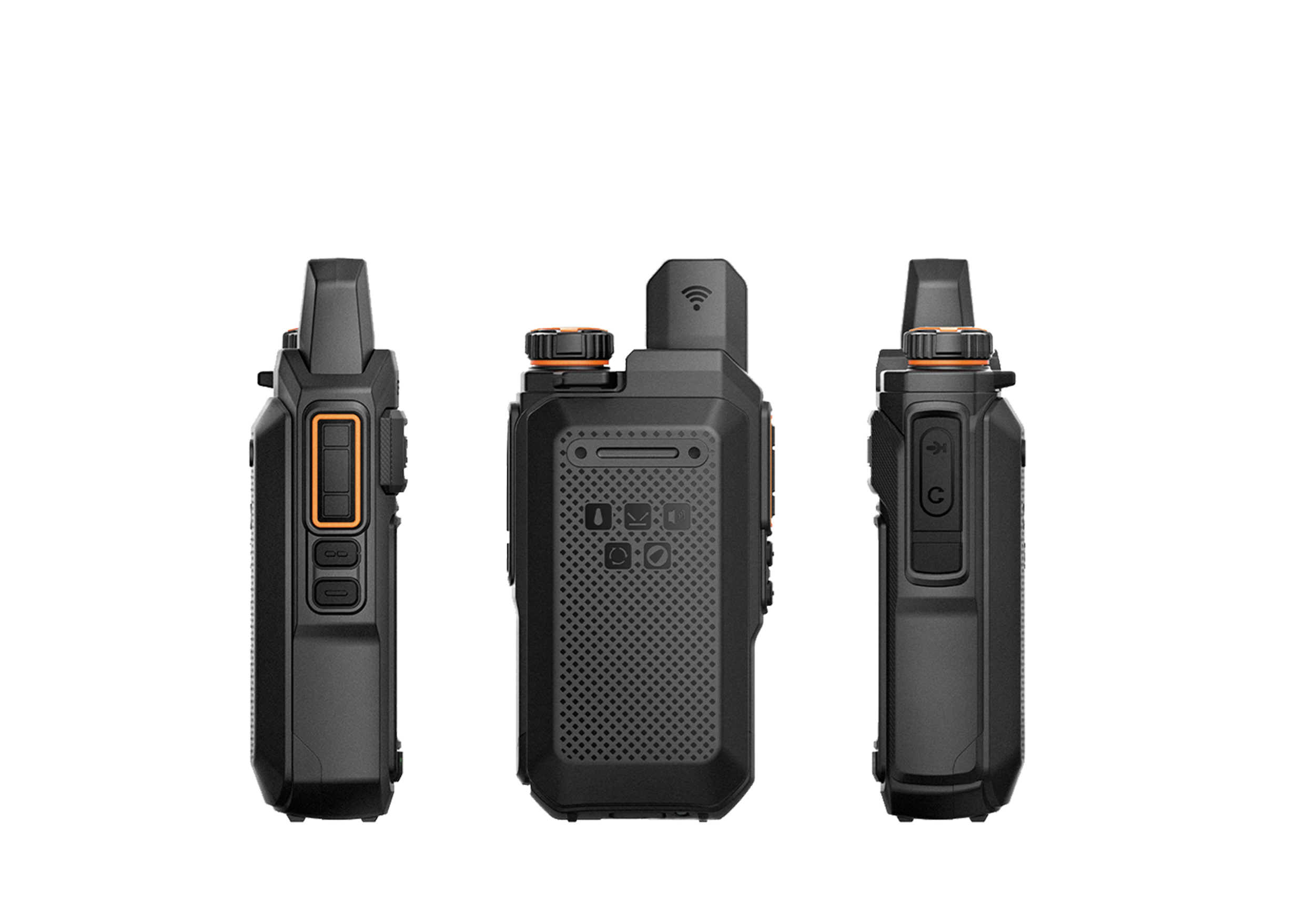
In the harsh industrial environment, communication devices need to have high durability. Devices with IP68 protection level can withstand dust, water, and shock, ensuring normal operation in various complex conditions. For example, in a mining factory, where the environment is full of dust and water, IP68 - protected communication devices can maintain stable performance.
Battery life is also a crucial factor. Long - lasting battery performance ensures that devices can work continuously during a long - shift workday. A communication device with a battery life of up to 20 hours can meet the needs of most industrial scenarios.
Moreover, the ease of use of the device is essential. Simple and intuitive operation interfaces allow workers to quickly master the use of the device, reducing the learning cost and improving work efficiency.
Many industrial enterprises have successfully solved the communication problems in noisy environments through the application of advanced communication technologies. For example, a chemical factory introduced a set of anti - interference intercom systems with PTT technology and AES - 256 encryption. After the implementation, the communication efficiency of the factory increased by 40%, and the accident rate decreased by 20%.
Based on these industry cases, we recommend that industrial managers and equipment purchasers consider the following selection, deployment, and training strategies: First, select communication devices that meet the actual needs of the factory according to the specific environment and communication requirements. Second, conduct reasonable deployment according to the layout of the factory to ensure full - coverage communication. Finally, provide professional training for workers to ensure they can use the devices proficiently.
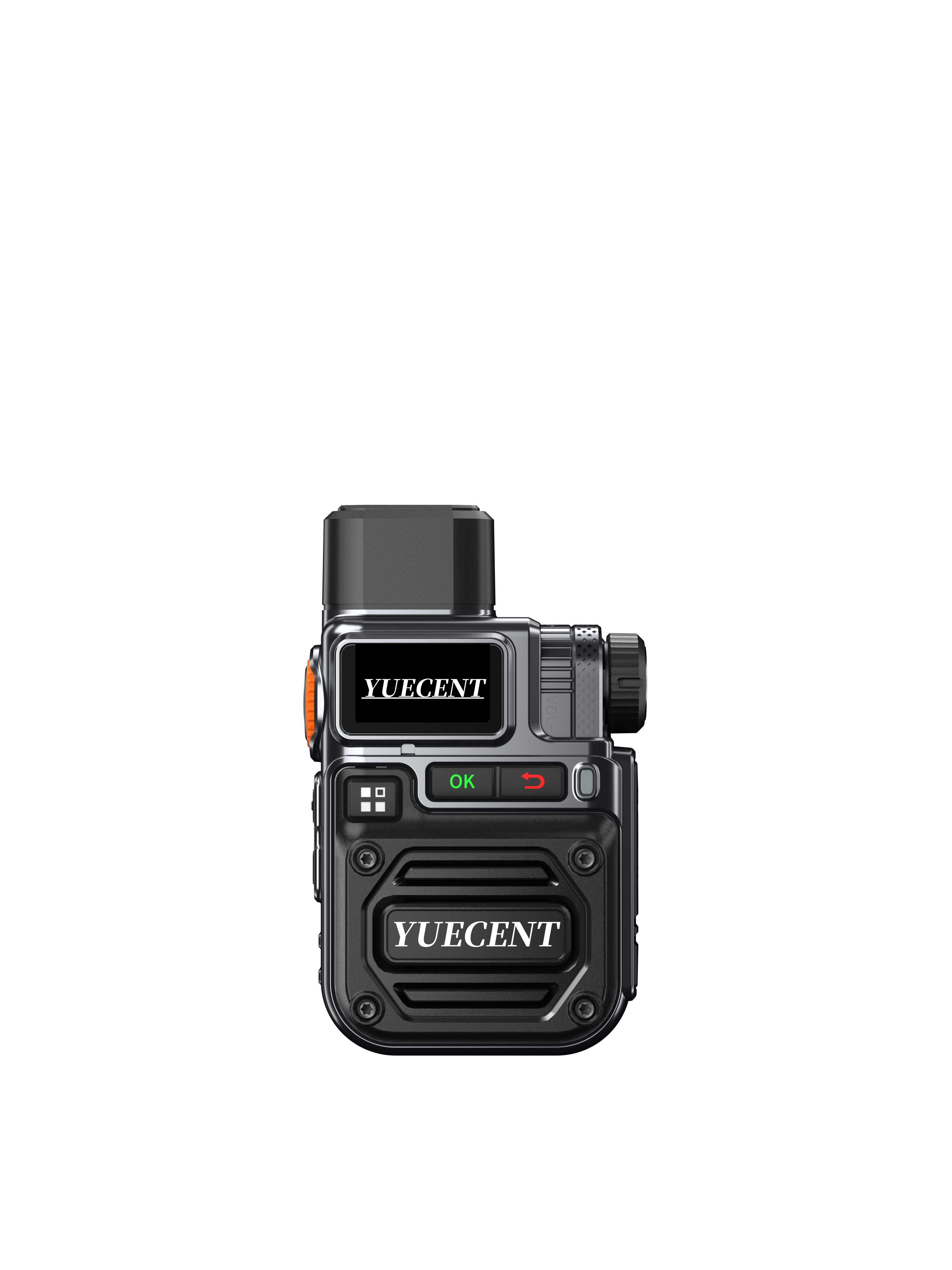
Are you facing communication challenges in your factory? Share your experiences in the comments below! If you want to learn more about industrial communication device selection, get the PDF of the "Industrial Communication Device Selection Guide".






.png?x-oss-process=image/resize,h_600,m_lfit/format,webp)
.png)


.png?x-oss-process=image/resize,h_600,m_lfit/format,webp)





 Facebook