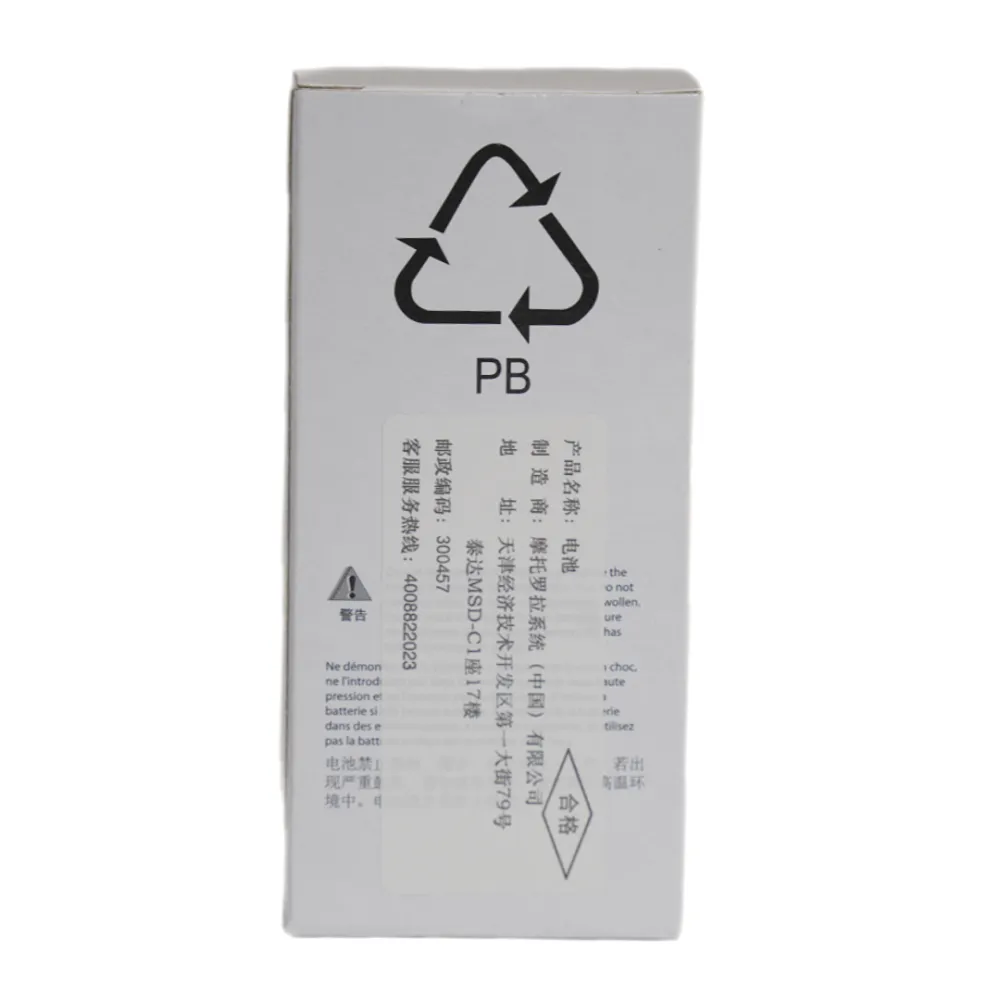
In today’s fast-evolving world of wireless communication, engineers and product managers are under constant pressure to deliver devices that are not only powerful but also lightweight, safe, and efficient. One key enabler in this transformation? The adoption of 7.4V thin lithium batteries—especially in ruggedized devices like Motorola walkie-talkies.
A recent case study from a leading OEM shows how rethinking battery placement in a Motorola-style handheld unit led to a 15% reduction in overall device thickness while improving heat dissipation by up to 22%. By integrating a 7.4V pouch cell (typically 10–15mm thick) into the side rail structure instead of the center, designers achieved better weight distribution and reduced hotspots near the RF module.
| Design Factor | Before | After (7.4V Thin Battery) |
|---|---|---|
| Device Thickness | 32 mm | 27 mm |
| Max Surface Temp (under load) | 58°C | 45°C |
| Battery Cycle Life | 300 cycles | 500+ cycles |
Key Performance Indicator: A well-integrated BMS can reduce thermal runaway risk by over 70% compared to basic protection circuits—critical for field use in extreme environments.
Modern BMS systems now support real-time voltage balancing across cells, temperature monitoring at multiple points, and even predictive failure alerts via Bluetooth or LoRaWAN connectivity. This level of intelligence allows manufacturers to move beyond "safe enough" to truly optimize user experience.
Looking ahead, three major trends will define the next generation of wireless comms batteries:
For product teams aiming to build high-performance communication terminals, choosing the right battery isn’t just about specs—it’s about enabling smarter design decisions, enhancing reliability, and ultimately boosting your competitive edge.
Ready to future-proof your next wireless device with advanced battery solutions?
Download Our Free Guide: “Battery Selection Checklist for Rugged Comms Devices”





.png?x-oss-process=image/resize,h_600,m_lfit/format,webp)
.png)


 Facebook