
The evolution of wireless communication equipment hinges critically on the power source's ability to balance high energy density, safety, and compactness. The 7.4V slim lithium-ion battery has emerged as a pivotal component for industry leaders like Motorola, driving advances in two-way radio design. This article delves into how this battery technology acts not just as a power supplier but as a system performance amplifier, enabling lighter, cooler, and safer wireless devices.
Achieving a high-capacity yet thin battery design is no trivial task. A typical 7.4V slim lithium-ion battery delivers an energy density around 250Wh/kg, with cell thickness optimized to under 8 millimeters. This fine balance allows wireless devices to shed unnecessary bulk — cutting battery weight by up to 25% compared to conventional cylindrical cells. The result is a form factor that perfectly complements handheld radios, supporting extended operational hours without compromising ergonomics.
Moreover, the flat geometry promotes uniform heat dissipation across the battery pack surface, which enhances thermal management crucial to preserving longevity and safety under continuous load conditions.
| Parameter | Typical Value | Industry Benchmark |
|---|---|---|
| Voltage | 7.4V (Nominal) | 7.2V – 7.6V |
| Thickness | <8 mm | 10-15 mm (Standard Cylindrical) |
| Energy Density | ~250 Wh/kg | ~180 Wh/kg (NiMH) |
| Cycle Life | 500+ cycles @ 80% capacity retention | 300-400 cycles (Legacy Battery) |
Device engineers prioritize battery layouts that maximize every millimeter of internal space. The slim profile of this lithium-ion battery enables modular arrangement tailored to specific radio chassis designs, effectively redistributing weight and optimizing the center of gravity. In real-world projects, Motorola has realized up to a 15% reduction in device thickness, translating to enhanced portability for field operators.
Furthermore, the broader battery surface area compared to cylindrical counterparts promotes superior heat dissipation. Thermal simulations demonstrate a temperature drop of approximately 10-15% during operation, mitigating hotspots that otherwise accelerate degradation or risk thermal runaway.
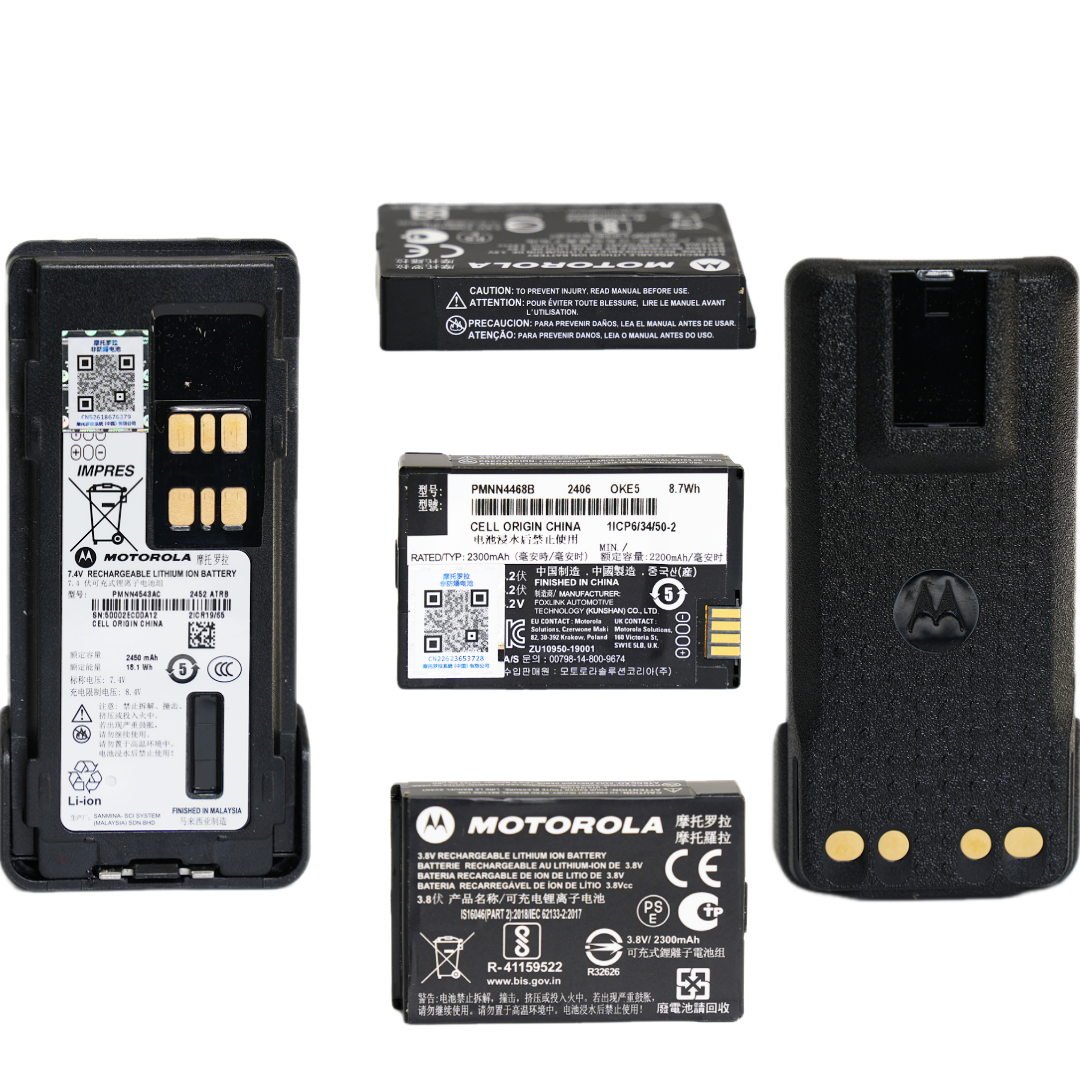
Advanced battery management systems (BMS) integrated within these packs act as the silent guardians of safety and performance. The BMS constantly monitors voltage, current, and temperature, implementing precise cell balancing to prevent overcharge or deep discharge scenarios that shorten battery life.
For Motorola’s wireless communication lines, this integration means fewer field failures and increased user confidence. The system-level optimization extends beyond mere power delivery, ensuring devices operate within ideal thermal and electrical windows, effectively turning the battery from a static component into a dynamic system enabler.
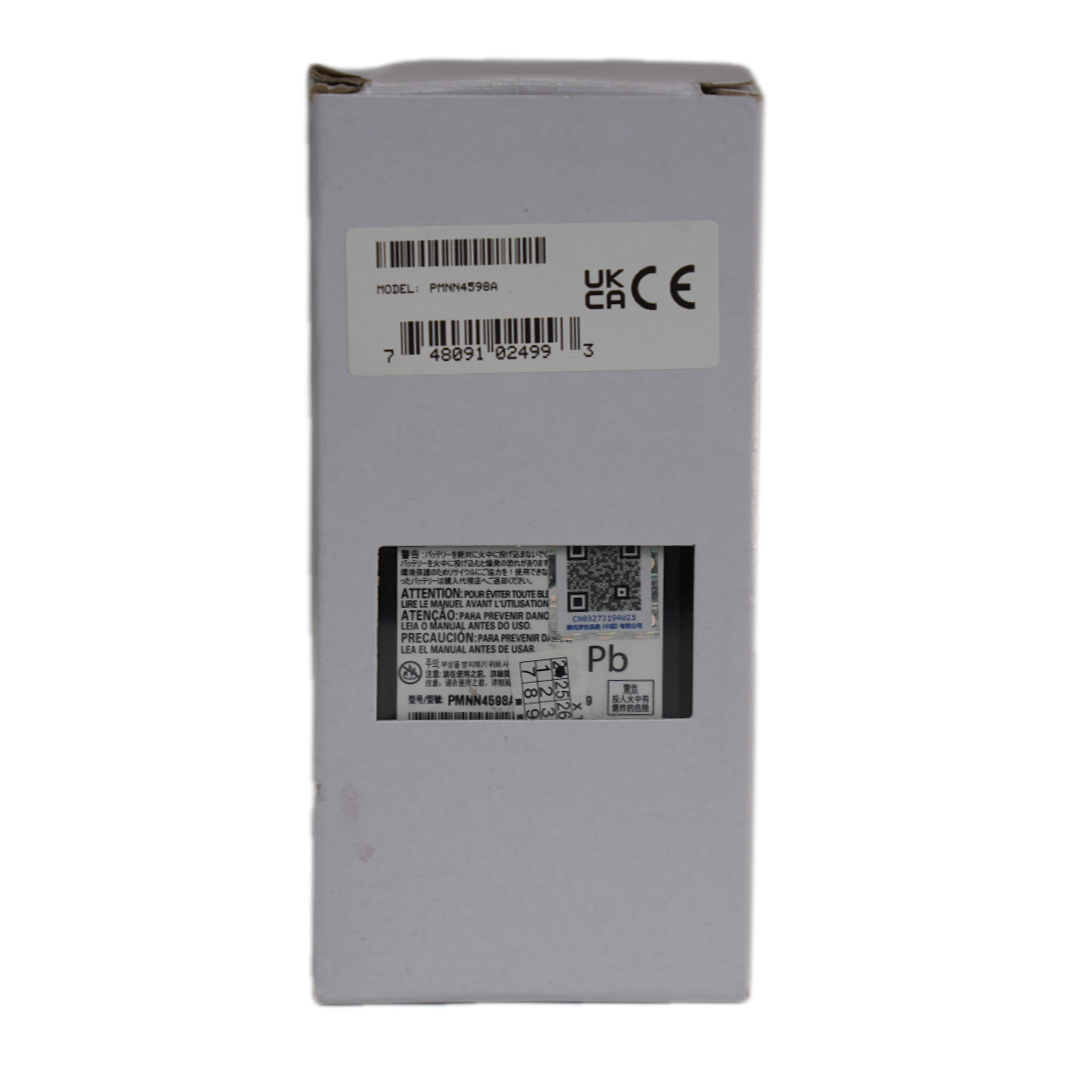
The communication industry’s trajectory demands ever smaller, more efficient power solutions as IoT and critical mission devices proliferate globally. Thin lithium-ion batteries with 7.4V nominal voltage present a scalable platform to meet both current and evolving specifications.
Continuous materials innovation and BMS sophistication herald batteries that will soon offer beyond 300 Wh/kg, faster charging, and stronger resilience to harsh environments. Crucially, manufacturers focused on withstanding global regulatory standards will lean heavily on such high-performance, compact packs that enable rapid deployment without sacrificing safety or functionality.
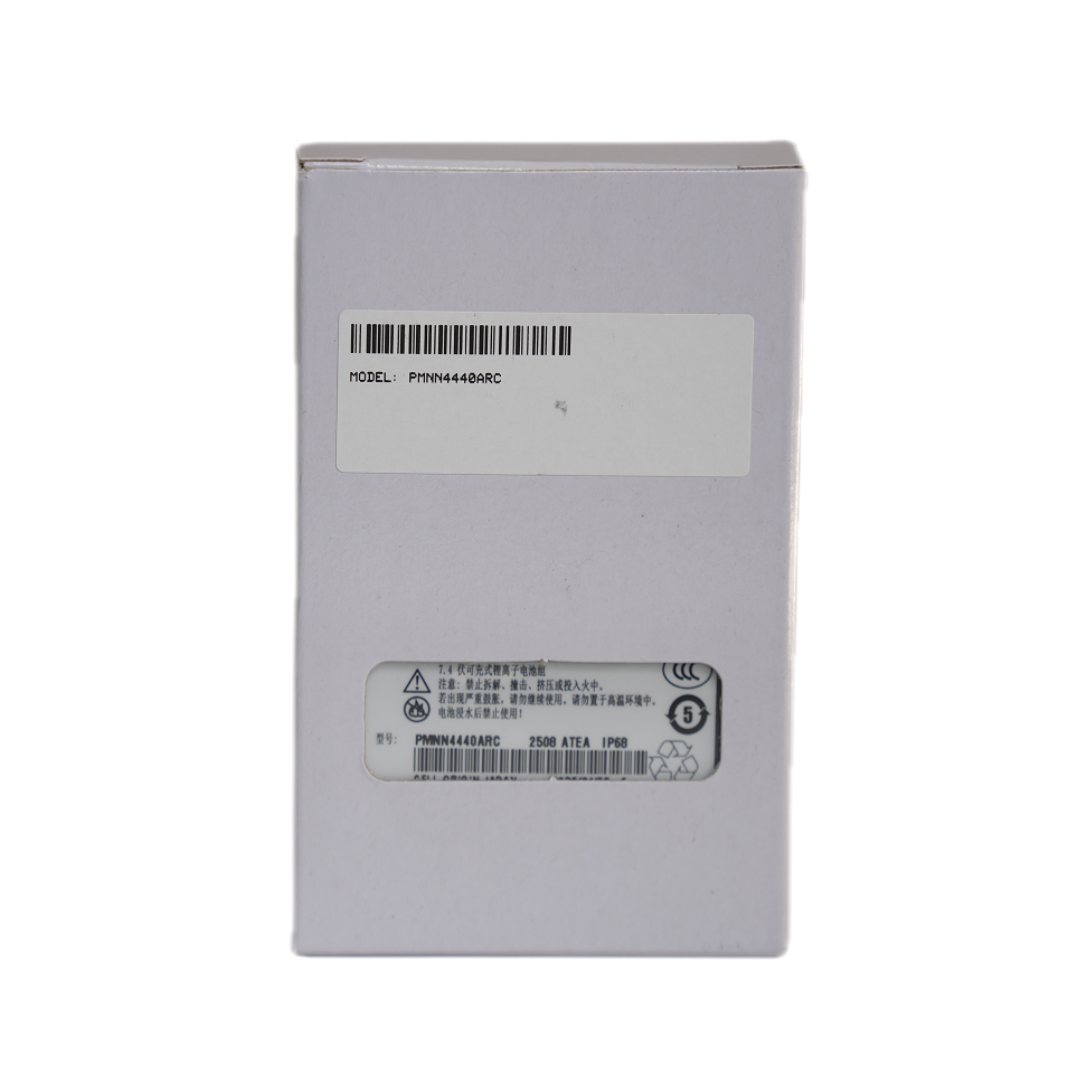
Ready to transform your wireless device’s power solution? Discover how every millimeter of space can be leveraged for maximum efficiency today.
How does your current battery design balance capacity with heat management? What are your biggest challenges in delivering compact yet reliable wireless communication tools?






.png?x-oss-process=image/resize,h_600,m_lfit/format,webp)
.png)




 Facebook