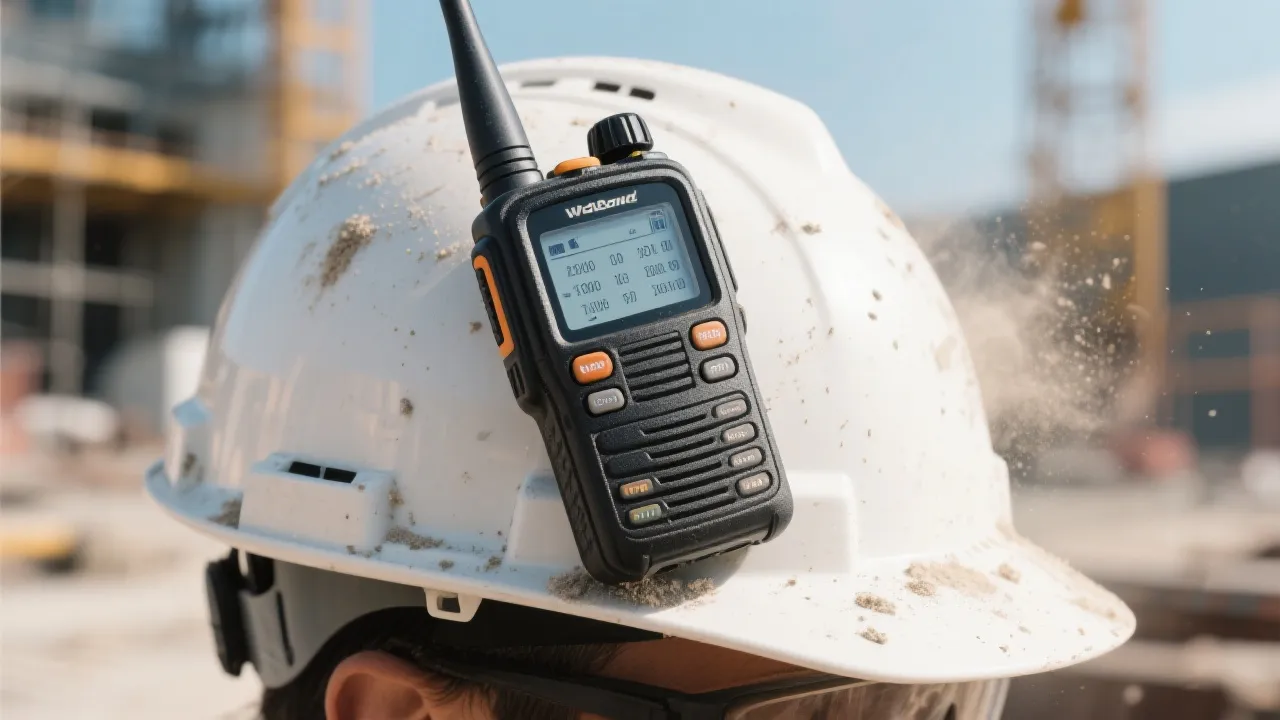
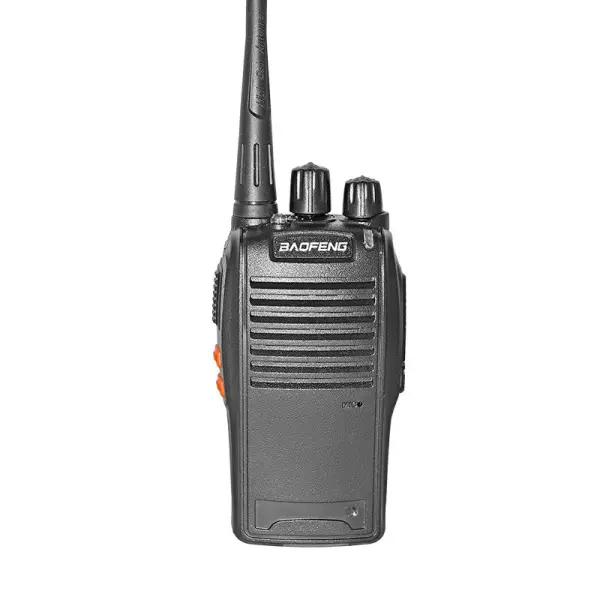
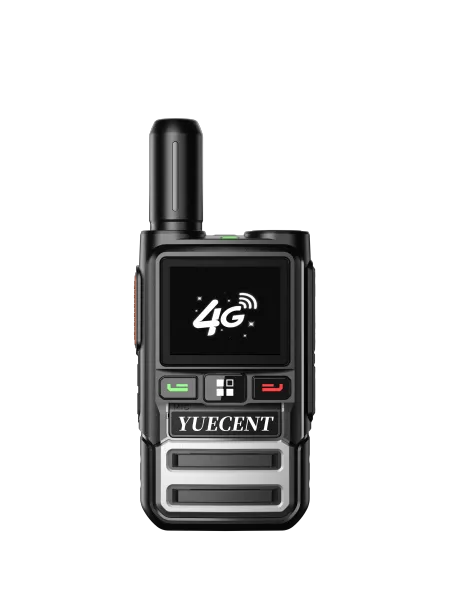
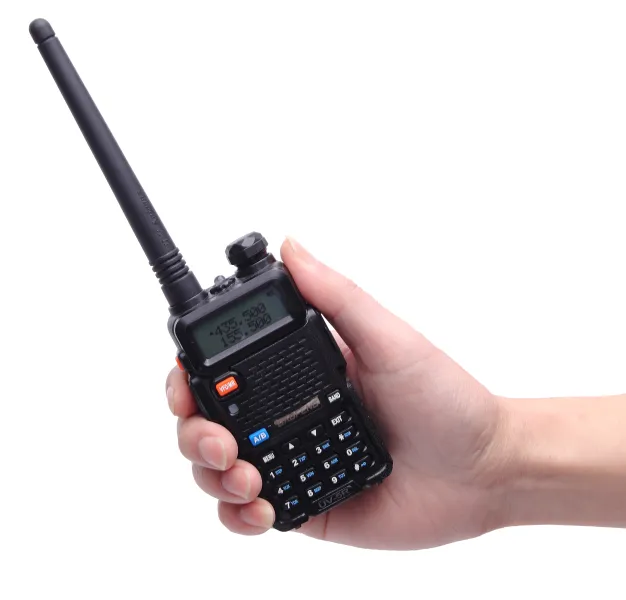
In today's diverse communication landscape, the demand for a wide - band walkie - talkie suitable for multiple scenarios has become increasingly crucial. This article delves into wide - band walkie - talkies with a frequency range covering VHF 136 - 174MHz to UHF 400 - 520MHz, aiming to help users understand their frequency characteristics and practical application advantages in various scenarios such as outdoor adventures, emergency rescues, and urban environments.
Outdoor adventures, like mountain climbing or forest exploration, present unique communication challenges. In mountainous areas, the complex terrain, including high peaks and deep valleys, can block radio signals. According to a survey, approximately 70% of outdoor enthusiasts have experienced signal interference at least once during their adventures. In addition, the long - distance communication required in large - scale outdoor areas makes it difficult for ordinary walkie - talkies to maintain stable connections.
In urban environments, buildings, especially high - rise structures, can cause signal reflection and attenuation. A study shows that in densely populated urban centers, the signal strength of regular walkie - talkies can drop by up to 50% due to building obstructions. This can lead to unclear communication, which is extremely dangerous in emergency situations such as fire rescue or security patrols.
In emergency rescue operations, time is of the essence. However, the chaos and destruction in disaster - stricken areas often disrupt normal communication channels. For example, after an earthquake, the local communication infrastructure may be severely damaged, and rescuers need a reliable communication device to coordinate their efforts.
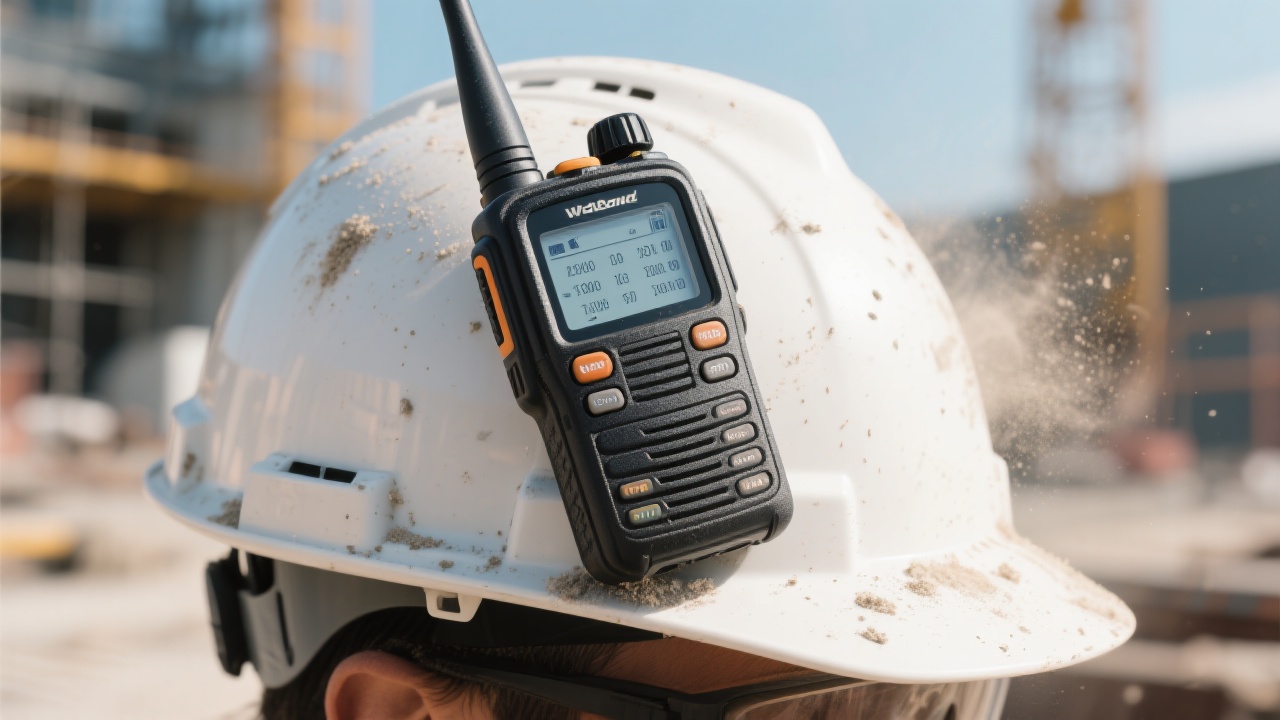
The wide - band walkie - talkie's frequency coverage from VHF 136 - 174MHz to UHF 400 - 520MHz gives it a significant edge. VHF frequencies are better at long - distance communication in open areas, while UHF frequencies can penetrate obstacles such as buildings more effectively. This dual - frequency coverage allows the walkie - talkie to adapt to different communication environments.
One of the key advantages is its wide frequency range, which provides more available channels. With a large number of channels, users can avoid interference from other radio signals. For instance, in a crowded urban area, there may be many other radio devices operating on the same frequency bands. A wide - band walkie - talkie can switch to a less - used channel, ensuring stable communication.
During a mountain climbing expedition in the Himalayas, a group of climbers used wide - band walkie - talkies. The climbers were spread out over a large area, and the mountains often blocked their signals. However, the wide - band walkie - talkies' ability to switch between VHF and UHF frequencies allowed them to maintain contact. One climber reported that even when they were separated by several kilometers and multiple peaks, they could still communicate clearly, which greatly enhanced their safety during the climb.
A security company in a large city uses wide - band walkie - talkies for its patrol teams. In the city center, with its numerous high - rise buildings, regular walkie - talkies often had communication problems. After switching to wide - band walkie - talkies, the security guards noticed a significant improvement in communication quality. They could easily communicate with each other across different parts of the city, which improved their response time in case of emergencies.
A wildlife research team in the African savannah used wide - band walkie - talkies. The vast open space and the need for long - distance communication were challenges. The wide - band walkie - talkies' VHF frequencies enabled them to communicate over long distances, while the UHF frequencies were useful when they were in areas with some vegetation cover. The team reported that the walkie - talkies helped them stay in touch during their research activities, which was crucial for their safety and the success of their research.
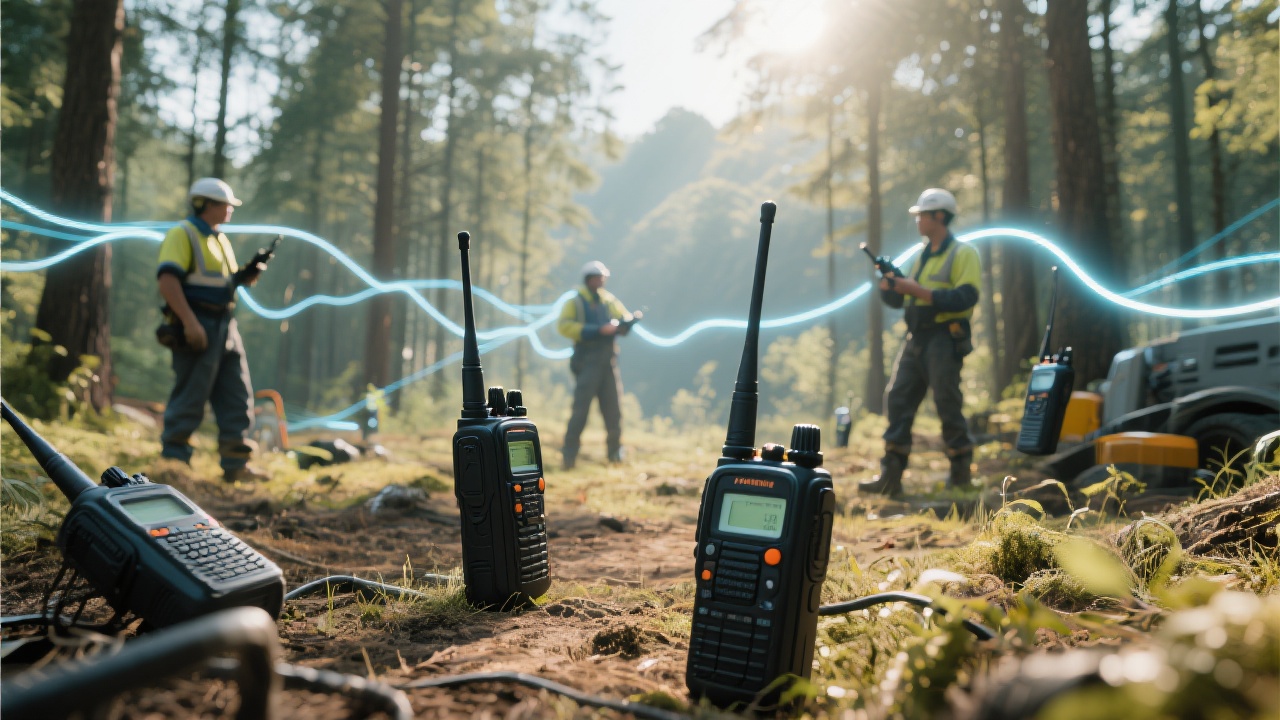
In complex environments, the frequency stability of wide - band walkie - talkies is a major advantage. Users have reported that in high - interference areas, the walkie - talkies can maintain a stable signal. For example, in an industrial area with a lot of electromagnetic interference, a wide - band walkie - talkie can still provide clear communication.
Moreover, the multiple - channel function allows users to quickly switch channels to avoid interference. In an emergency rescue operation, rescuers can switch to a dedicated channel for coordination, ensuring that important information is not lost in the chaos. According to user feedback, the multiple - channel function has been a lifesaver in many critical situations.
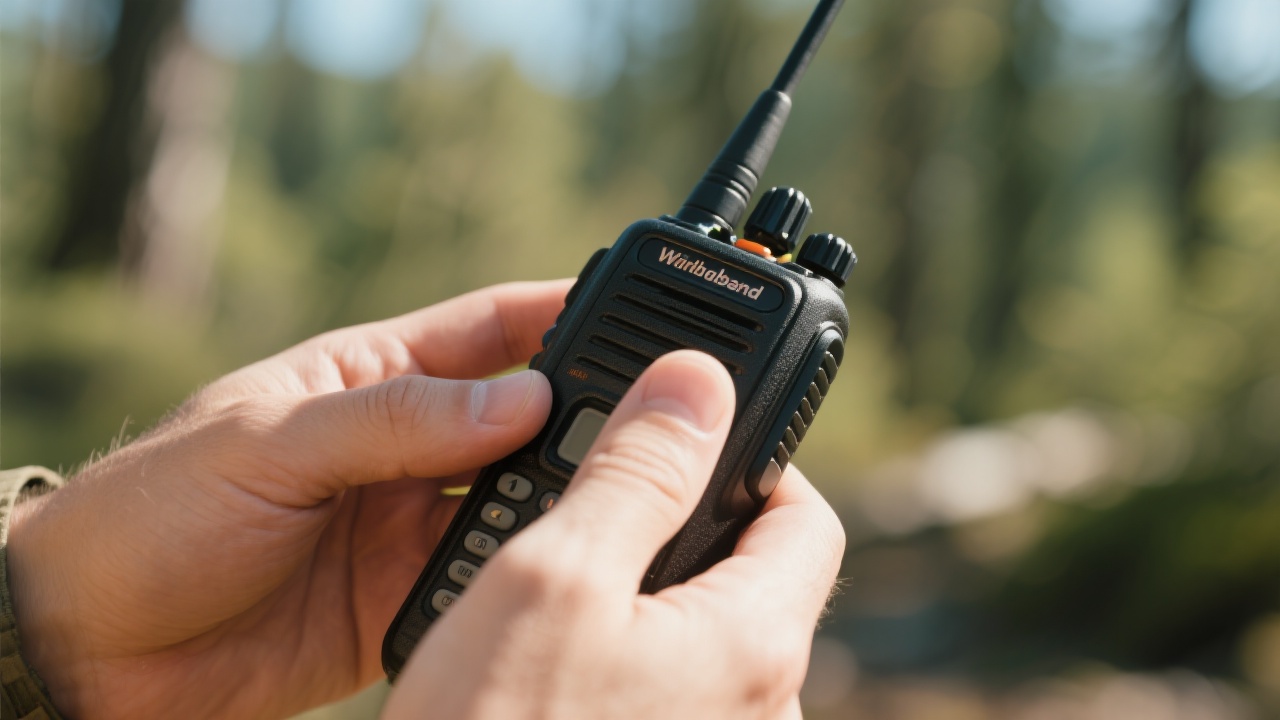
If you are looking for a reliable communication device that can adapt to various scenarios and maintain stable communication, our wide - band walkie - talkies are the perfect choice. They offer a wide frequency range, excellent stability, and multiple - channel functions. Click here to explore our wide - band walkie - talkies and experience efficient and reliable communication!






.png?x-oss-process=image/resize,h_600,m_lfit/format,webp)
.png)


.png?x-oss-process=image/resize,h_600,m_lfit/format,webp)
 Facebook