
In the industrial communication landscape, the selection of reliable batteries for walkie - talkies is a pivotal decision that impacts operational efficiency and safety. This in - depth research focuses on the 2200mAh thin batteries, such as the NNTN5510, in the Motorola GP340/380/580/680 series, aiming to assist procurement officers, maintenance engineers, and front - line operators in making informed choices.
The performance of industrial walkie - talkie batteries is primarily determined by core parameters including capacity, voltage stability, and cycle life. A higher capacity generally means longer usage time between charges. For example, a 2200mAh battery can theoretically power a walkie - talkie for a longer period compared to a 1500mAh one. However, it's not just about capacity; voltage stability is crucial for consistent device performance. A stable voltage ensures that the walkie - talkie functions optimally without sudden power drops.
Cycle life refers to the number of charge - discharge cycles a battery can undergo before its performance significantly degrades. On average, a high - quality industrial battery can have a cycle life of 300 - 500 cycles. This data is essential for long - term cost - effectiveness and reliability.
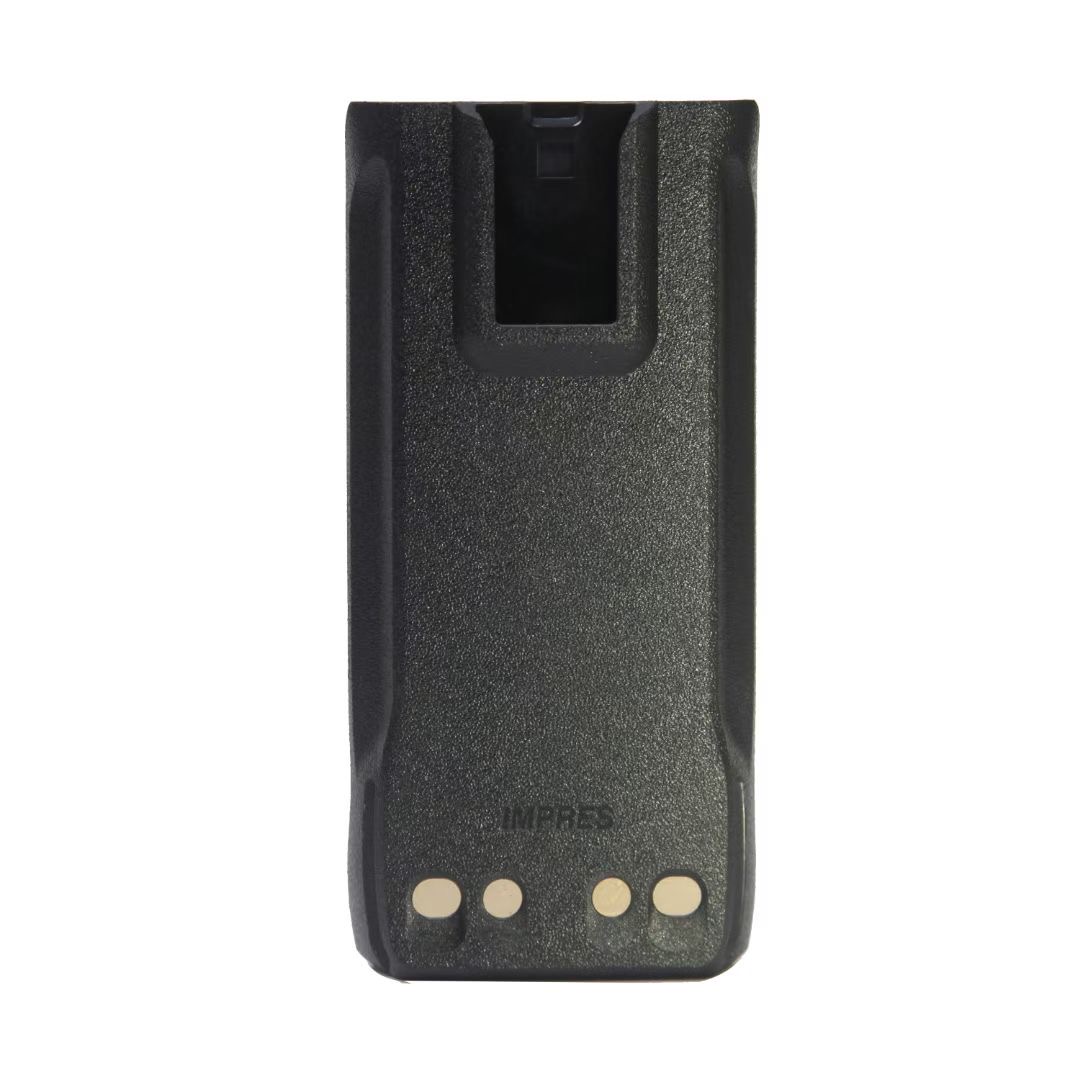
Taking the Motorola GP series as an example, the 2200mAh battery has emerged as the mainstream choice. It strikes a balance between capacity and size. Larger capacity batteries tend to be bulkier, which may not be suitable for the compact design requirements of many industrial walkie - talkies. The 2200mAh battery provides sufficient power to support extended use during a work shift, while still fitting well within the device's form factor.
Moreover, in real - world scenarios, the power consumption of Motorola GP series walkie - talkies is optimized to work efficiently with 2200mAh batteries. This compatibility ensures that the device can operate at its best performance level, reducing the risk of unexpected shutdowns.
There are significant differences between original and third - party batteries in terms of interface precision and protection circuit design. Original batteries are designed to have extremely high interface precision, ensuring a perfect fit with the walkie - talkie. This precise fit not only guarantees stable power supply but also reduces the risk of short - circuits. In contrast, some third - party batteries may have slightly lower interface precision, which could lead to intermittent power issues.
Regarding the protection circuit, original batteries are equipped with advanced safety protection circuits. These circuits can prevent over - charging, over - discharging, and short - circuits, effectively protecting the battery and the walkie - talkie. Third - party batteries may vary in the quality of their protection circuits. Some may not meet the same safety standards, posing potential risks to the device and the user.
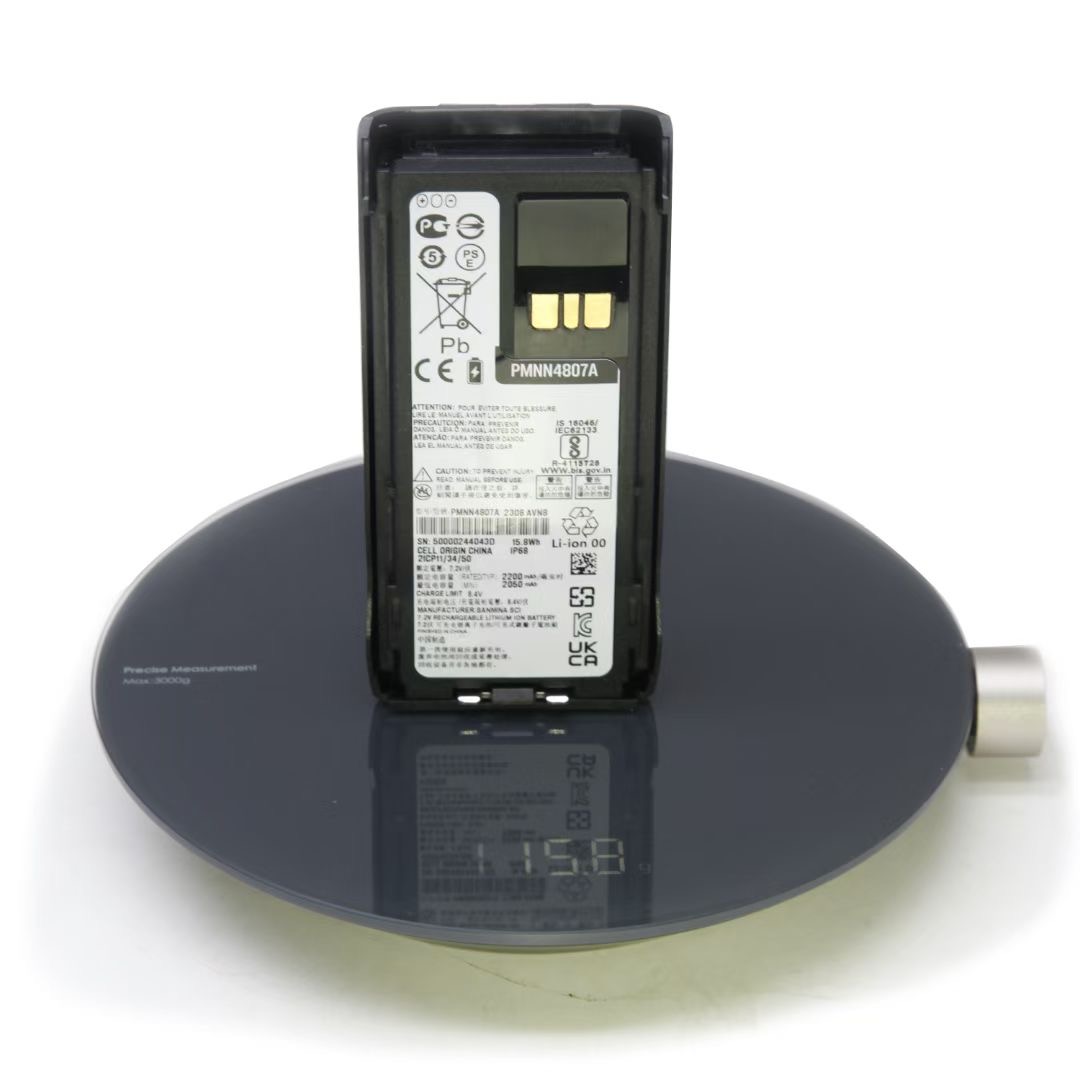
To avoid purchasing counterfeit or incompatible batteries, it's important to know how to identify genuine products. One common method is to check the packaging and labels. Genuine batteries usually have clear and high - quality printing on the packaging, with detailed product information and serial numbers. Another way is to look at the physical appearance of the battery. The surface of a genuine battery is smooth, and the connectors are well - made.
When it comes to compatibility with older models, it's necessary to refer to the device's manual or consult the manufacturer. In some cases, even if a battery has the right capacity, it may not be compatible due to differences in voltage or interface design.
In the corporate procurement process, there are several maintenance suggestions and common misconceptions that need to be addressed. For example, many people think that leaving a battery on the charger overnight will over - charge it. In fact, modern batteries with proper protection circuits can prevent over - charging. However, it's still recommended to follow the manufacturer's charging instructions.
Another common misconception is that all third - party batteries are of poor quality. While there are indeed some low - quality third - party products on the market, there are also reliable third - party manufacturers that can provide high - quality batteries at a more affordable price. It's important to do thorough research and choose a reputable supplier.
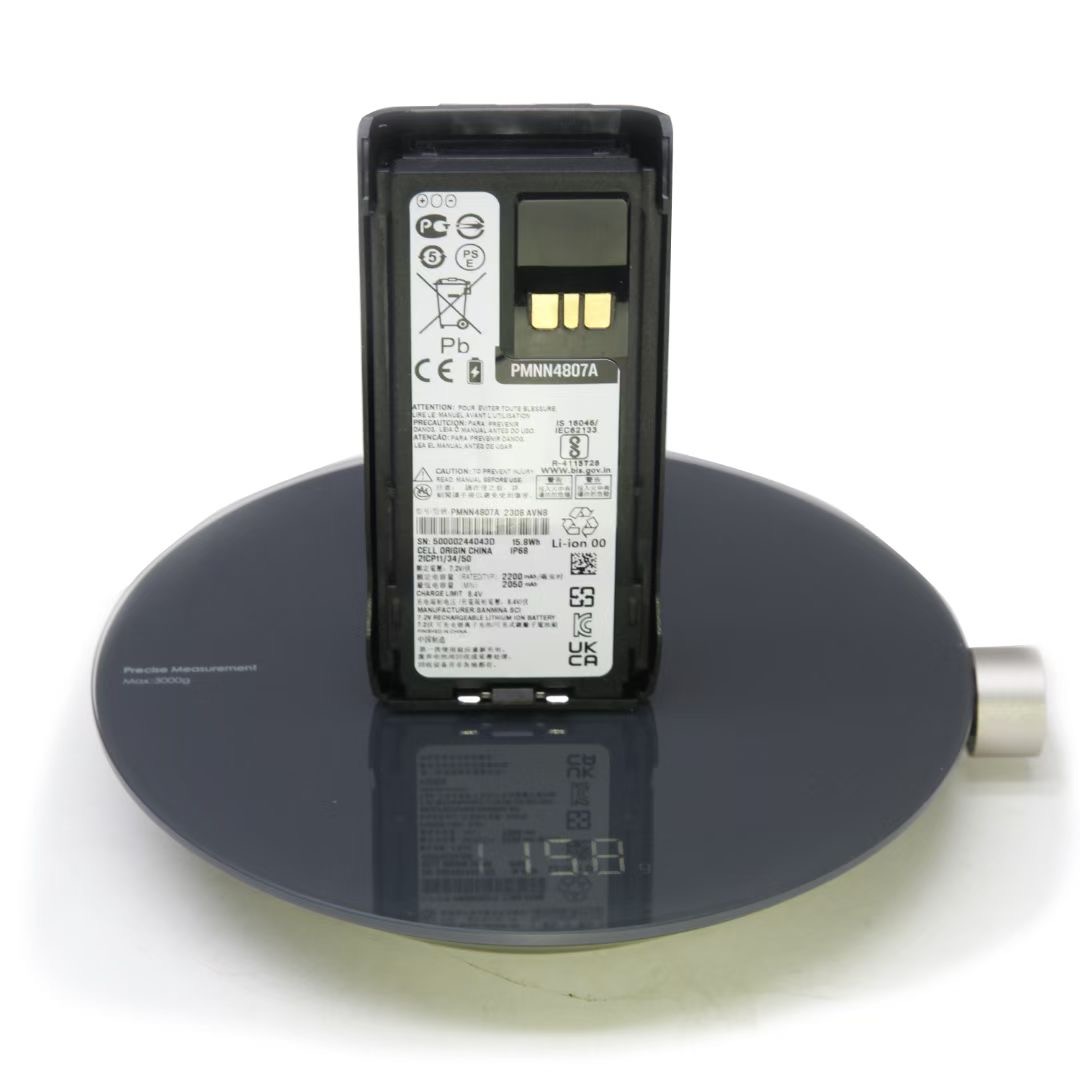
In conclusion, data - driven decision - making is crucial in the selection of industrial walkie - talkie batteries. By referring to technical data such as capacity, voltage stability, and cycle life, as well as understanding the differences between original and third - party batteries, procurement officers and maintenance engineers can make more reliable and efficient choices.
If you're looking for high - quality industrial walkie - talkie batteries that meet your specific needs, click here to explore our wide range of products and get a free quote.






.png?x-oss-process=image/resize,h_600,m_lfit/format,webp)
.png)




 Facebook