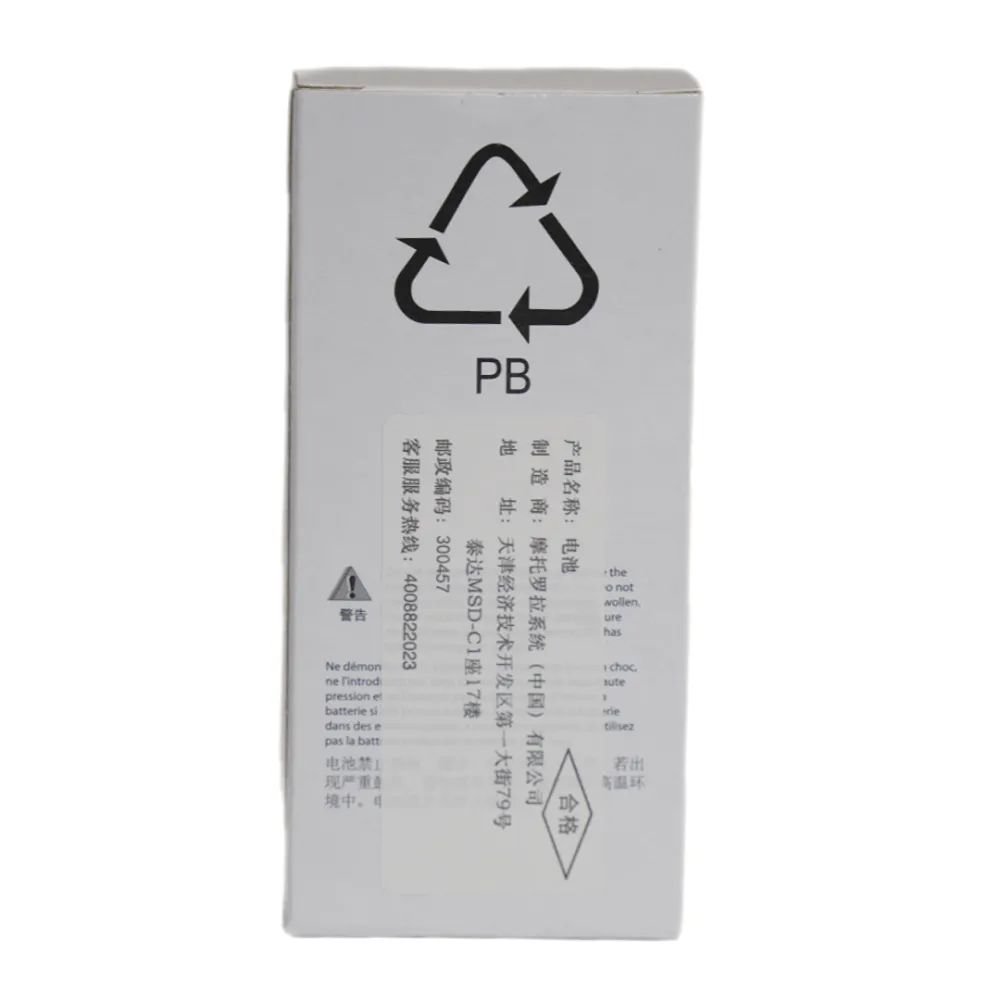
Selecting the right battery is critical for maintaining the reliability and safety of industrial walkie talkies. This article provides a deep dive into essential parameters to consider when choosing batteries for Motorola GP Series radios, especially the widely utilized 2200mAh units. It systematically compares factory original batteries with third-party alternatives, highlighting differences in interface precision and embedded safety protection circuits that impact performance and operational safety.
Industrial-grade walkie talkie batteries are distinguished by several key metrics: capacity measured in milliampere-hours (mAh), voltage stability, and cycle longevity. For example, the Motorola GP series' standard 2200mAh Li-ion battery typically ensures up to 8-10 hours of consistent operation under moderate usage conditions, with voltage maintained within ±3% variance to guarantee uninterrupted communication.
| Parameter | Factory Original Battery | Typical Third-party Battery |
|---|---|---|
| Capacity (mAh) | 2200 ± 3% | 1900 - 2100 (wide variance) |
| Voltage Stability | ±3% voltage range | Up to ±8% voltage fluctuation |
| Cycle Life | 500+ full charge/discharge cycles | 300-400 cycles (lower reliability) |
| Safety Protection Circuit | Multi-layer circuit with overcharge, over-discharge, short-circuit protection | Basic or absent safety features |
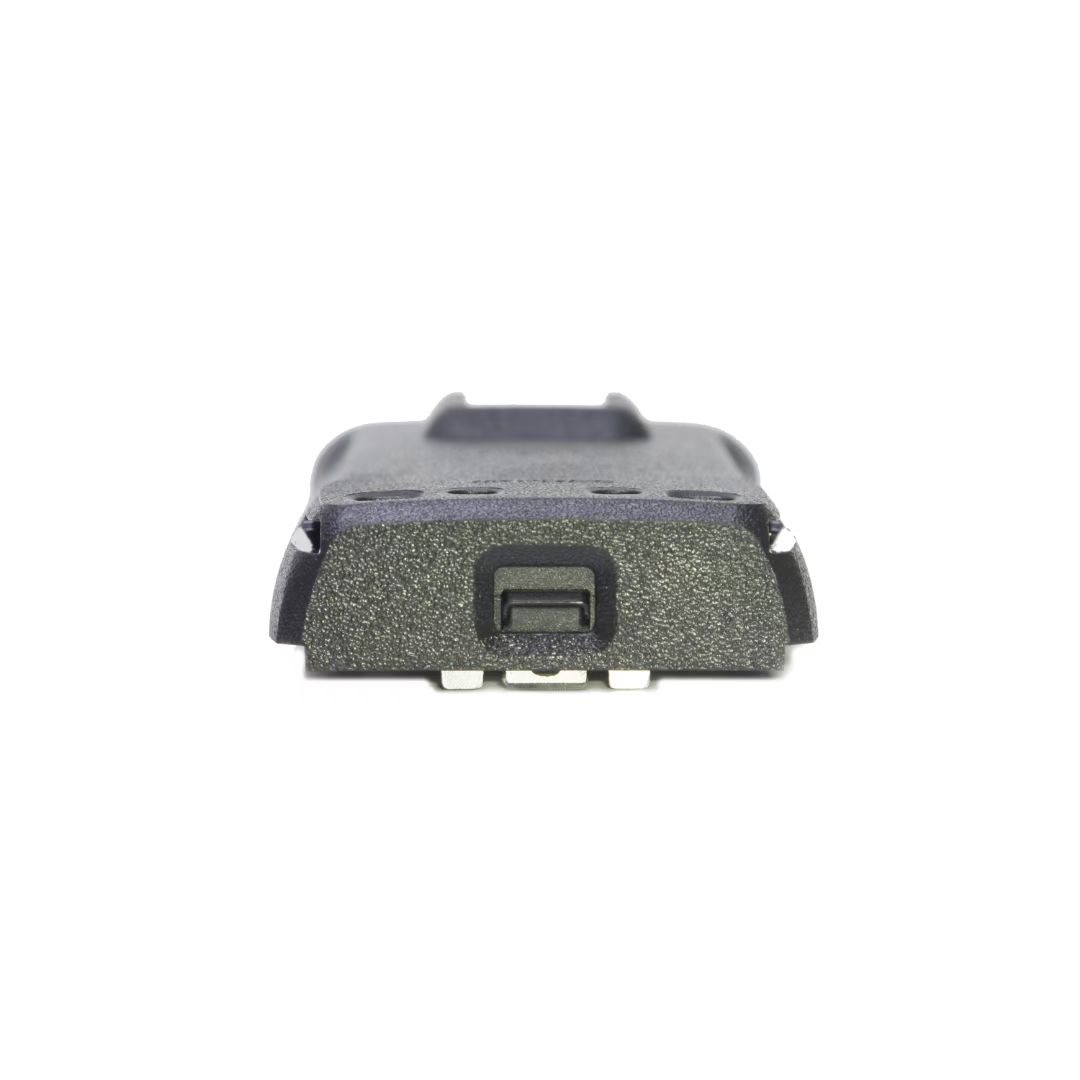
The interface connectors of the battery and the radio must match precisely to ensure reliable electrical contact and mechanical stability. Factory original batteries undergo rigorous dimensional inspections, maintaining interface tolerance within ±0.1mm, minimizing risk of loose connections or signal disruption.
Third-party batteries often exhibit wider tolerance, sometimes as high as ±0.5mm, resulting in poor fitment, intermittent power delivery, and accelerated wear of radio contacts. This not only jeopardizes device operation but can cause irreversible hardware damage.
Original batteries integrate sophisticated protection circuits that guard against overcharge, over-discharge, and short circuits, significantly lowering fire and explosion risks. For instance, Motorola’s OEM 2200mAh battery units include temperature sensors and fail-safes that disable the battery under hazardous conditions.
Conversely, many third-party batteries compromise on these safety layers, relying on minimal or flawed circuitry that puts industrial users and equipment at risk. Over time, this can lead to unexpected battery swelling, sudden power loss, and safety hazards.
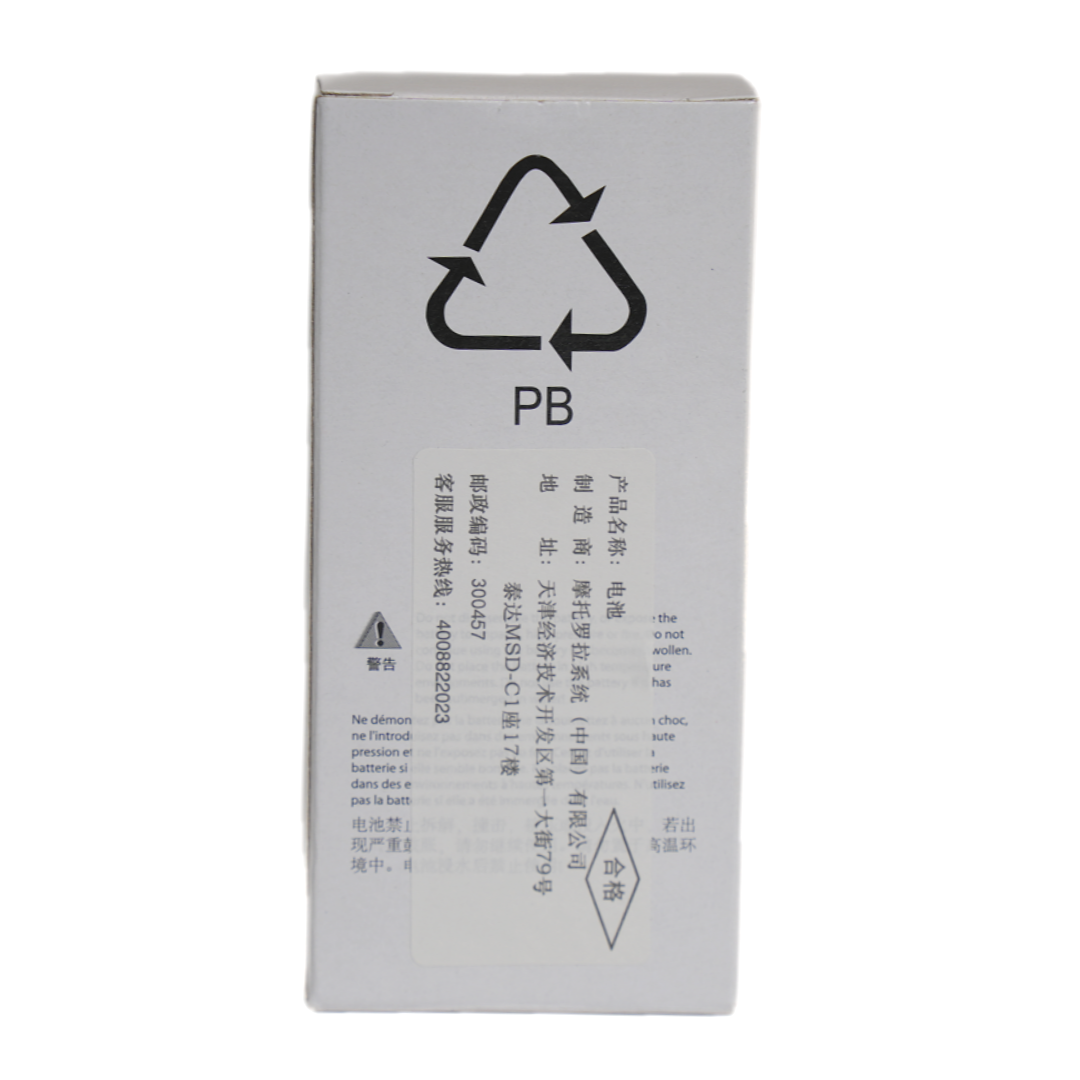
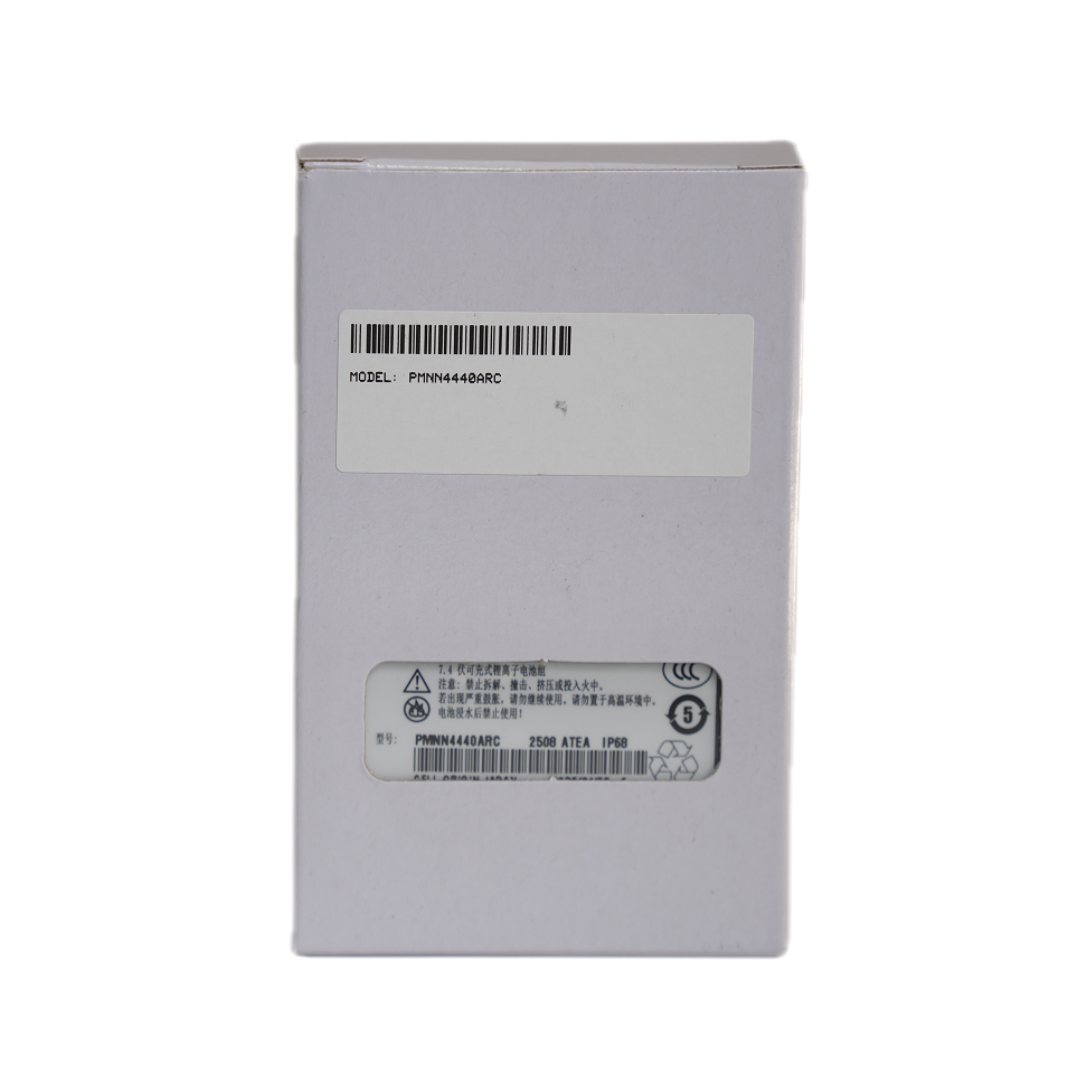
Authentic Motorola batteries feature laser-etched serial numbers, official holographic labels, and packaging QR codes linked to the manufacturer’s verification system. Buyers should reject batteries with:
Industrial users should also test third-party batteries for compatibility with older GP-series walkie talkies. Since some early models have different pin assignments or voltage requirements, third-party packs without proper design updates may cause malfunctions.
Procurement teams should prioritize source reliability over mere cost savings by:
Maintenance engineers must regularly inspect batteries for swelling, connector corrosion, and charge retention, replacing aging packs before operational failure occurs. Keeping spares of authentic manufacturer batteries ensures smooth workflow without unexpected downtime.






.png?x-oss-process=image/resize,h_600,m_lfit/format,webp)
.png)


.png?x-oss-process=image/resize,h_600,m_lfit/format,webp)


 Facebook