
In the dynamic landscape of wireless communication, the quest for high - performance and safe power solutions is unending. A prime example is the integration of a Battery Management System (BMS) with 7.4V thin lithium - ion batteries, which is revolutionizing the performance of Motorola walkie - talkies and other wireless devices.
When it comes to the design of wireless communication devices, the battery is a crucial component. The 7.4V thin lithium - ion battery is a standout choice. Firstly, let's look at the energy density. These batteries offer a high energy density, typically around 200 - 250 Wh/kg, which means they can store more energy in a smaller volume compared to traditional batteries. This high energy density is essential for power - hungry devices like Motorola walkie - talkies, especially when used in long - duration operations such as outdoor work or emergency response scenarios.
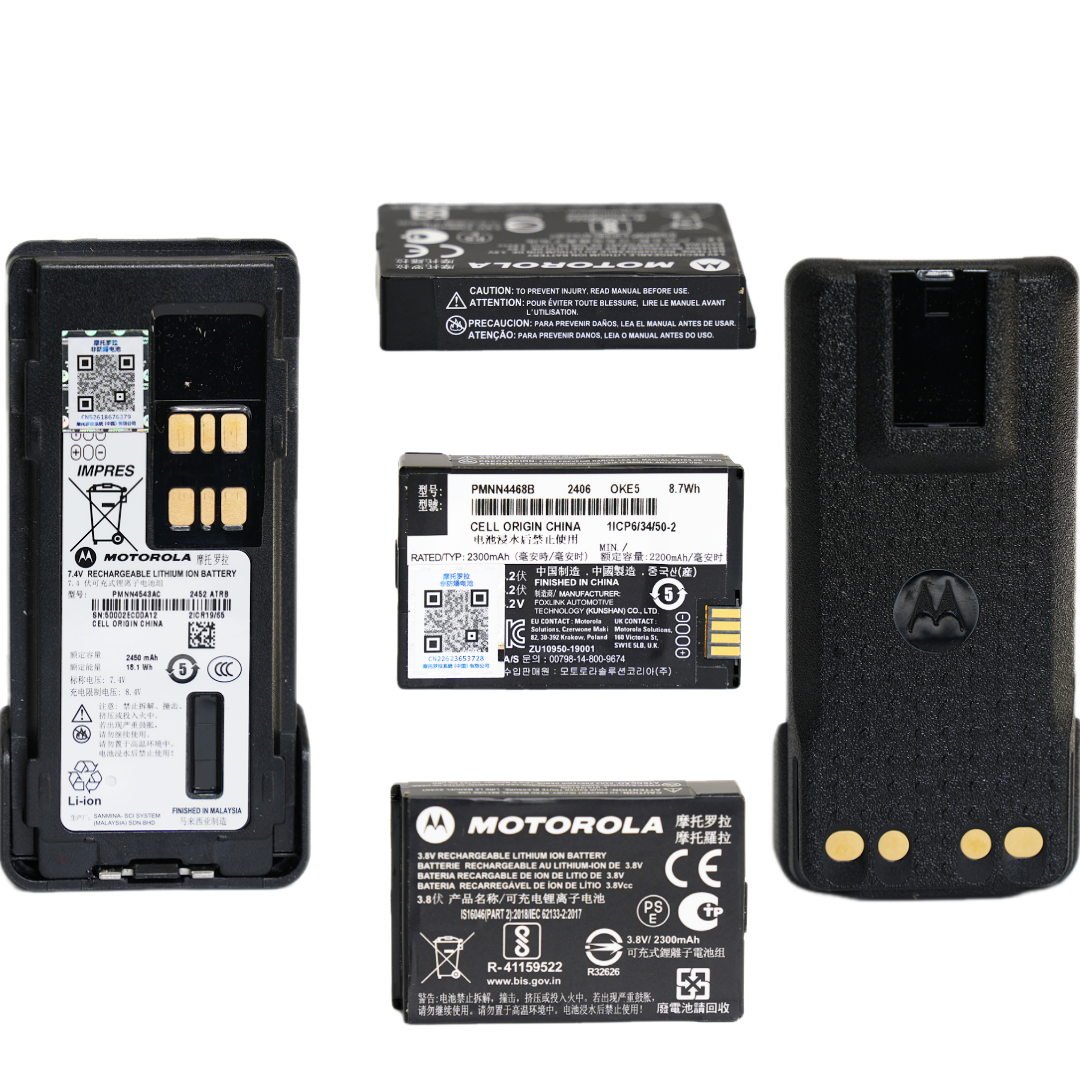
Another important aspect is the space adaptability. The thin design of these batteries allows for better integration into the compact structure of wireless devices. In fact, compared to regular batteries, they can save up to 30% of the internal space of the device, enabling manufacturers to design more sleek and portable products. This is a significant advantage in the market where consumers are increasingly demanding lightweight and easy - to - carry devices.
The integration of a BMS is a game - changer. A BMS is like the brain of the battery, constantly monitoring and controlling various parameters to ensure the safety and stability of the battery. One of the key functions of the BMS is thermal management. Through real - world temperature rise tests, it has been found that with the BMS, the temperature rise of the battery during normal operation is ≤5℃. This is a remarkable achievement, as excessive heat can not only reduce the battery life but also pose a safety hazard.
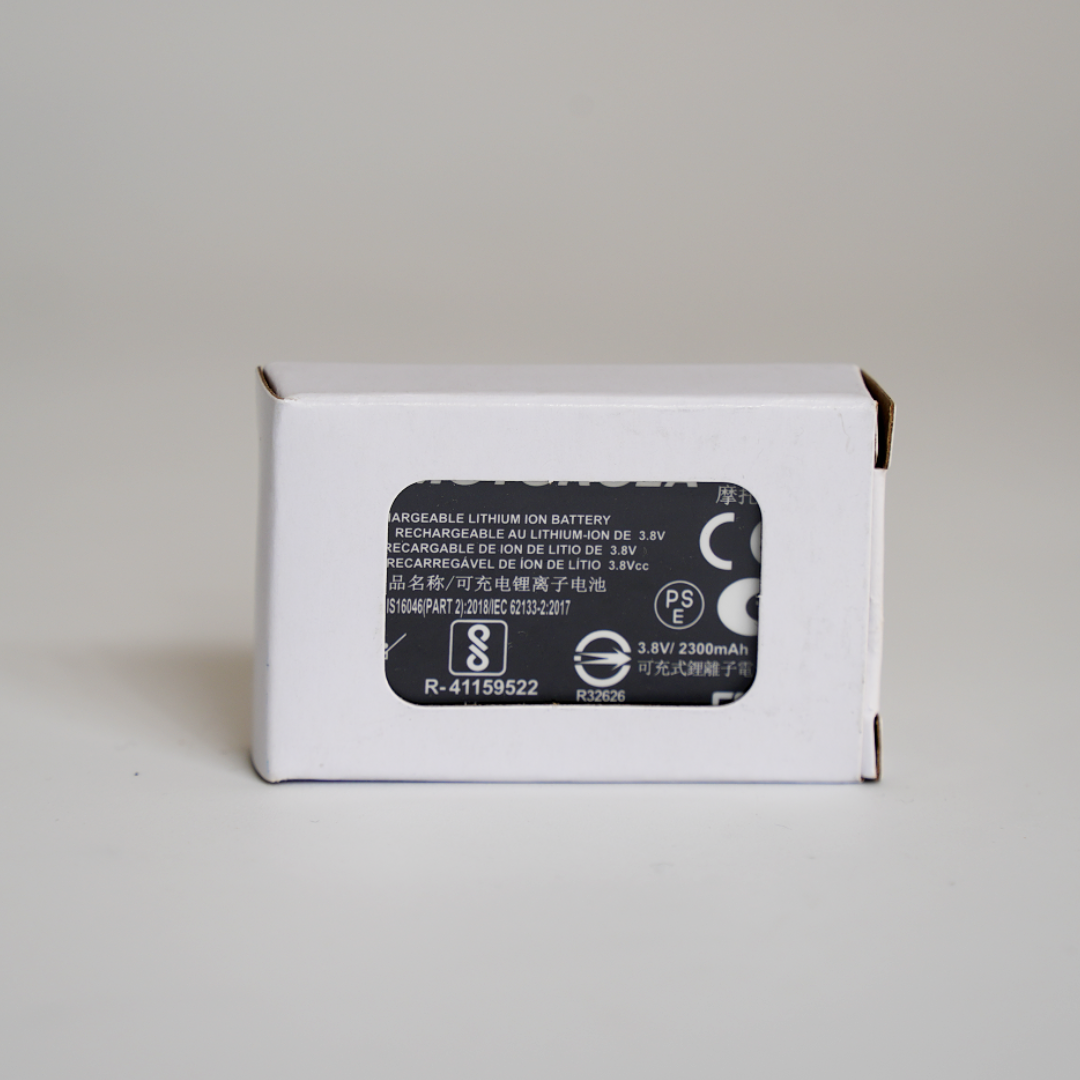
The BMS also plays a crucial role in extending the battery life. By precisely controlling the charging and discharging processes, it can prevent over - charging and over - discharging, which are the main causes of battery degradation. In practical applications, batteries with a BMS can have a service life that is up to 20% longer than those without one.
Looking at the industry trends, the demand for high - performance and safe batteries in the wireless communication sector is on the rise. With the increasing complexity of wireless devices and the need for longer battery life, the integration of BMS with high - energy - density batteries is becoming the norm. For example, in an outdoor construction project, Motorola walkie - talkies equipped with 7.4V thin lithium - ion batteries and BMS can provide stable communication for up to 12 hours on a single charge, ensuring seamless coordination among the construction teams.
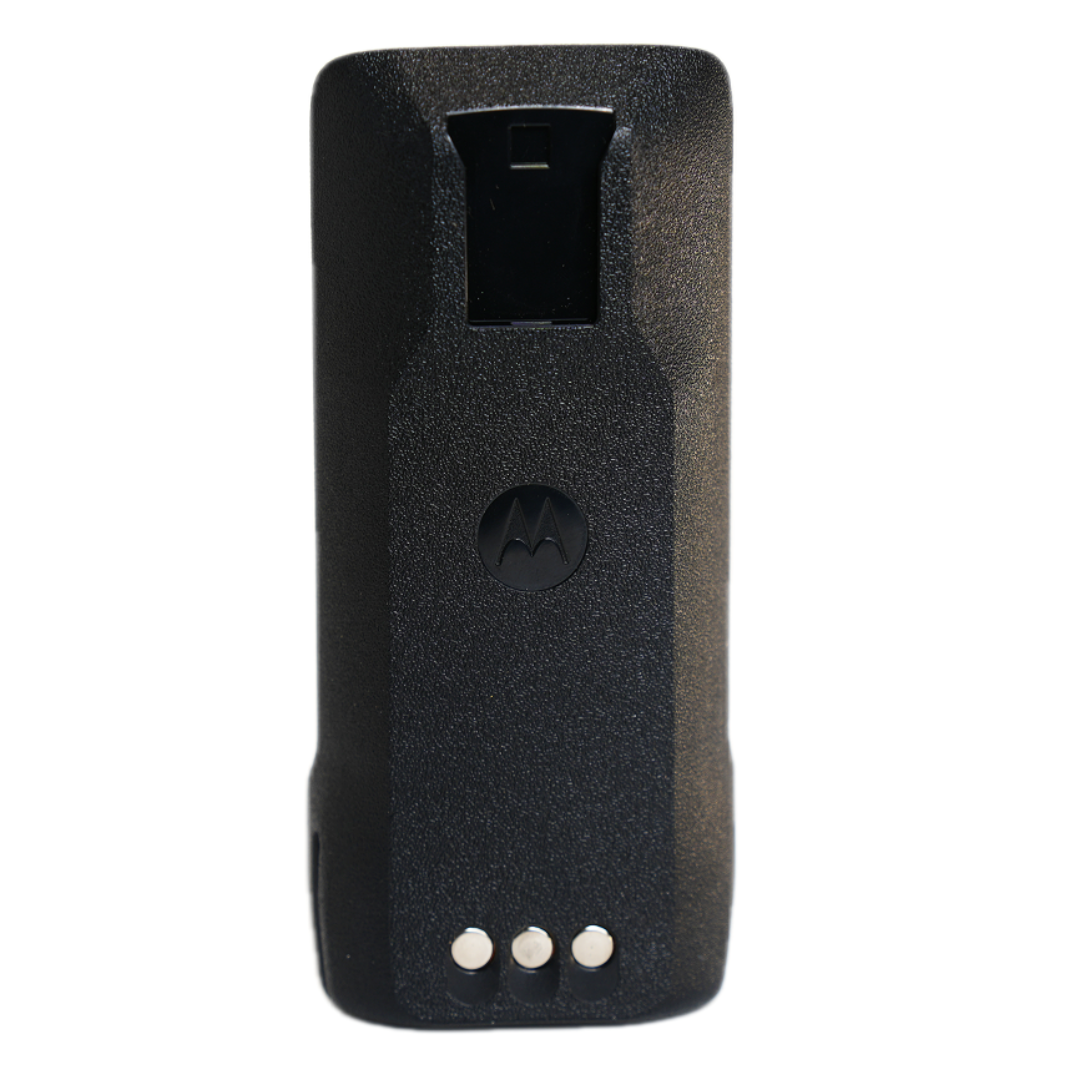
In conclusion, the combination of 7.4V thin lithium - ion batteries and BMS is redefining the battery experience for wireless devices. It makes every milliampere of power safer and more efficient. If you are a wireless communication device developer, this solution can provide you with a reliable and advanced power option.
How do you balance battery capacity and device thinness? Welcome to leave your comments and join the discussion. And if you want to explore more about this innovative battery solution, click here.






.png?x-oss-process=image/resize,h_600,m_lfit/format,webp)
.png)


.png?x-oss-process=image/resize,h_600,m_lfit/format,webp)


 Facebook