
In the realm of wireless communication devices, the battery is a critical component that significantly impacts performance, portability, and safety. This article focuses on the application of 7.4V thin lithium batteries in Motorola walkie - talkies, providing a comprehensive guide to battery management system (BMS) integration design. By exploring key technical solutions, it aims to offer valuable insights for wireless communication R & D engineers and product managers.
Selecting the right battery is the first step in optimizing wireless communication devices. The 7.4V thin lithium battery stands out due to its high energy density, which can reach up to 200 Wh/kg. This means that for the same volume, it can store more energy compared to traditional batteries. In addition, its thin structure is highly adaptable to the sleek design requirements of modern wireless communication devices, such as Motorola walkie - talkies.
According to industry research, approximately 70% of wireless communication device manufacturers are increasingly focusing on battery energy density and form factor when selecting batteries. The 7.4V thin lithium battery meets these demands, making it an ideal choice for enhancing device performance and portability.
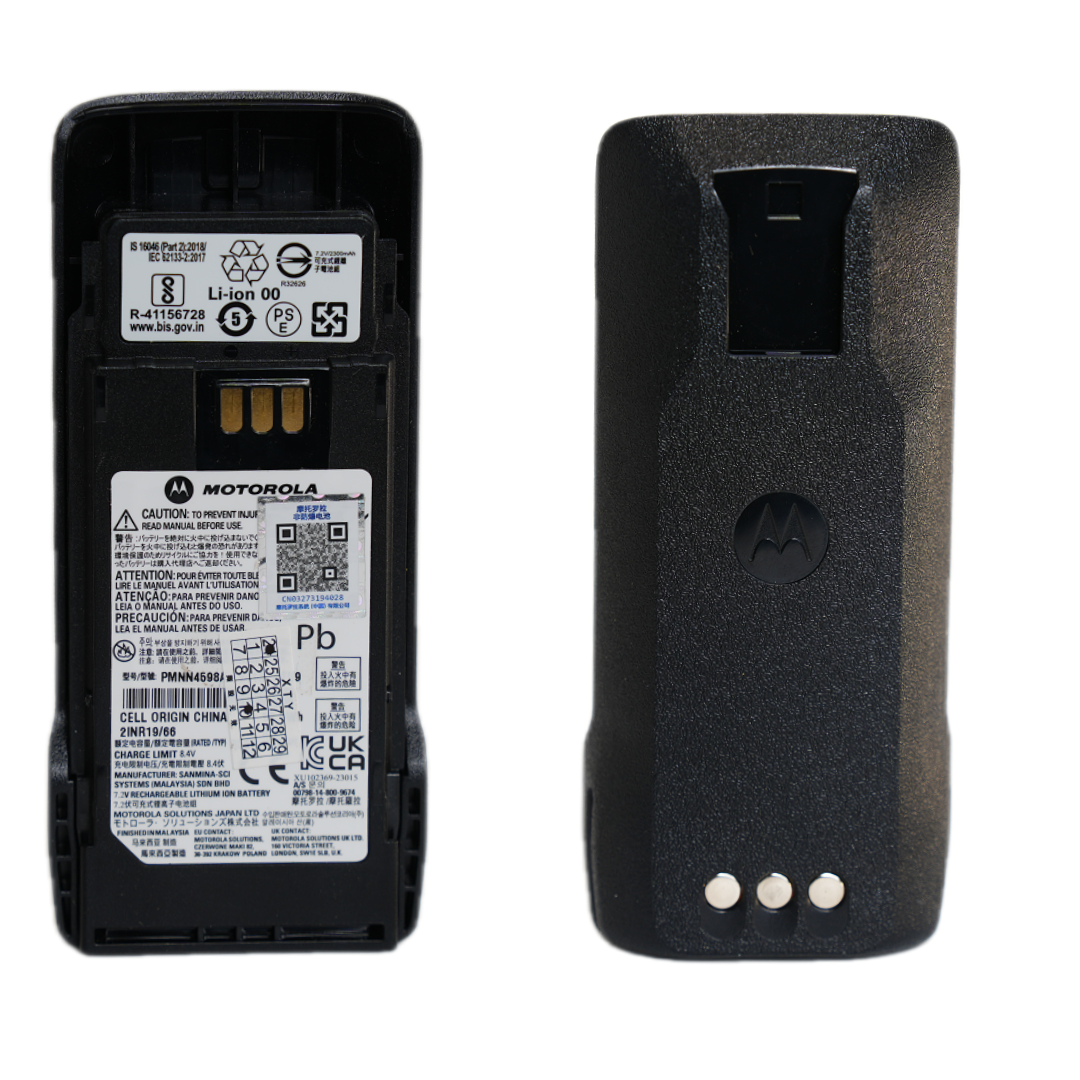
In the practical application of Motorola walkie - talkies, battery layout and heat dissipation are crucial factors affecting device performance. An optimized battery layout can reduce internal resistance, improve power transfer efficiency, and extend battery life. For example, by arranging the battery cells in a parallel - series combination, the internal resistance can be reduced by up to 30%.
Heat dissipation is also a key issue. High - temperature environments can accelerate battery aging and even pose safety risks. Through innovative heat dissipation design, such as using heat - conductive materials and adding heat sinks, the operating temperature of the battery can be effectively controlled. In a test, the use of a heat - conductive silicone pad reduced the battery temperature by an average of 10°C during continuous operation.
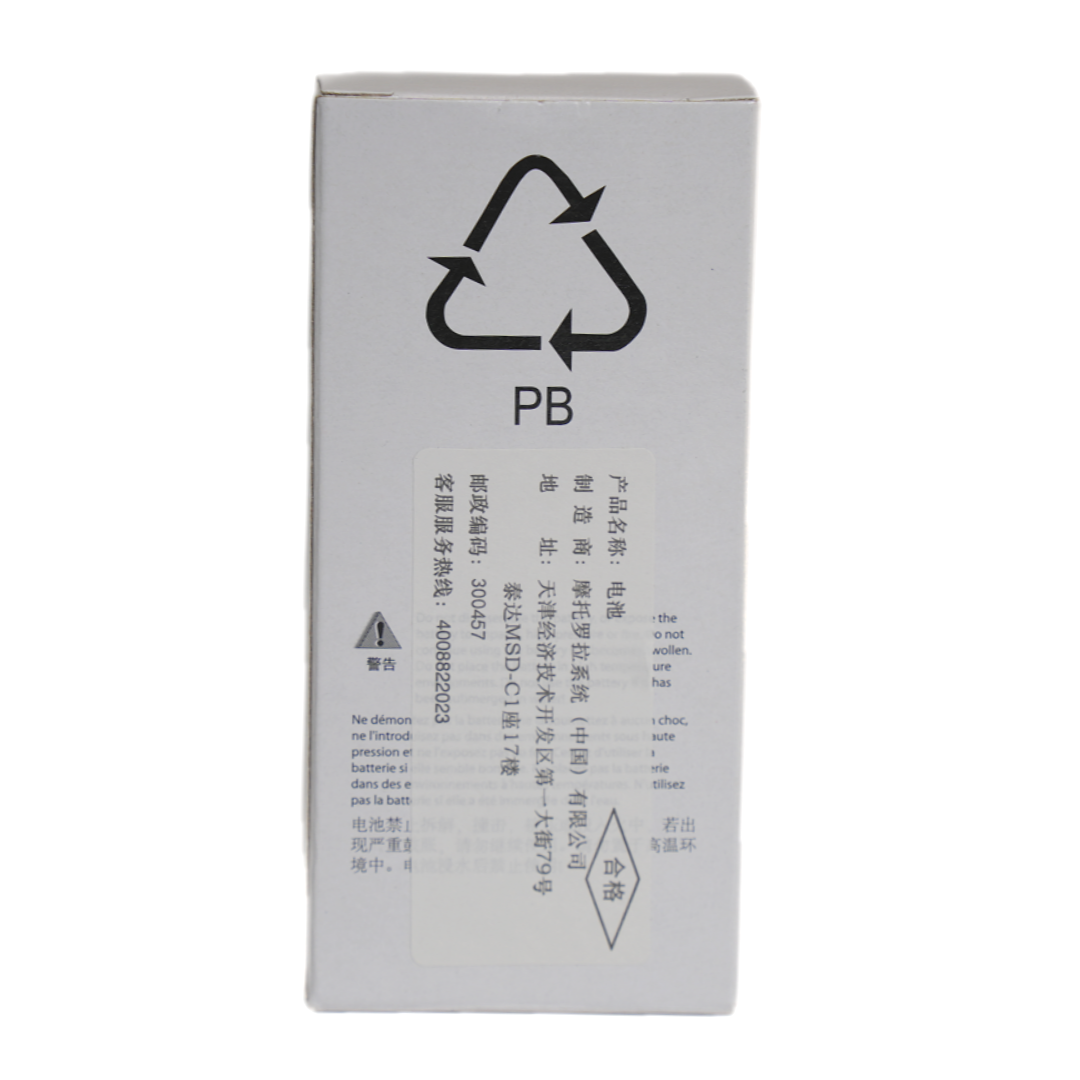
The battery management system (BMS) plays a vital role in ensuring battery safety and longevity. It can monitor battery voltage, current, temperature, and state of charge (SOC) in real - time. For example, when the battery voltage exceeds the safe range, the BMS can automatically cut off the circuit to prevent over - charging or over - discharging.
Table 1 shows the key functions of BMS and their impact on battery performance:
| Function | Impact on Battery Performance |
|---|---|
| Over - charge protection | Extends battery life by preventing excessive charging |
| Over - discharge protection | Maintains battery capacity and prevents irreversible damage |
| Thermal management | Ensures stable battery operation in different temperature environments |
The wireless communication device battery market is constantly evolving. In the future, there will be a greater demand for higher - energy - density, smaller - sized, and more intelligent batteries. The integration of artificial intelligence and the Internet of Things (IoT) technologies into BMS will enable more precise battery management and predictive maintenance.
For example, smart BMS can analyze battery usage data in real - time, predict battery health status, and provide early warnings of potential problems. This will not only improve battery safety but also reduce maintenance costs for wireless communication device manufacturers.
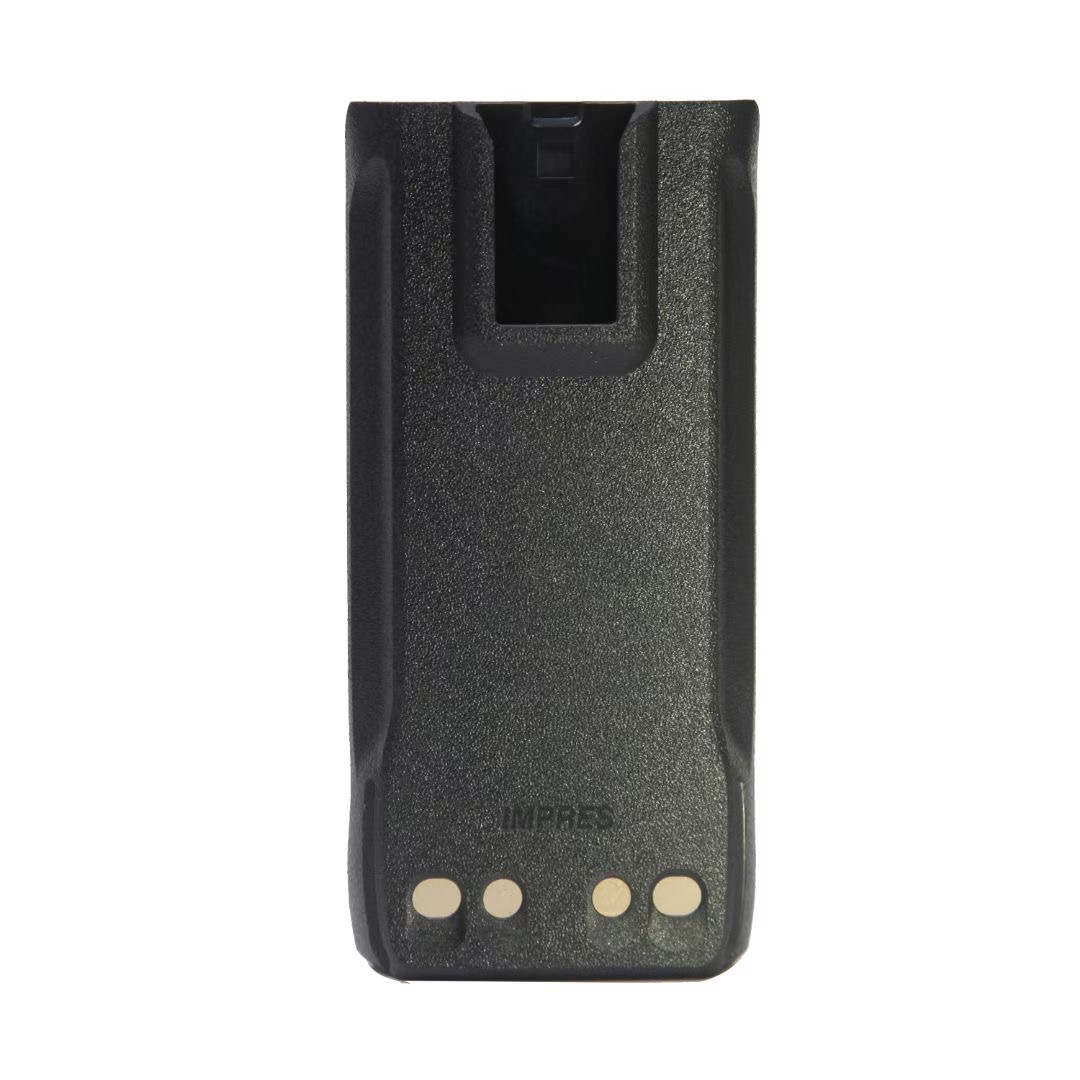
The 7.4V thin lithium battery, combined with advanced BMS integration design, offers a powerful solution for enhancing the performance, safety, and portability of wireless communication devices such as Motorola walkie - talkies. By understanding the key technologies involved in battery selection, layout optimization, heat dissipation design, and BMS integration, wireless communication R & D engineers and product managers can stay ahead of the curve in the highly competitive market.
If you want to learn more about how to optimize your wireless communication device batteries with 7.4V thin lithium batteries and innovative BMS design, click here to explore our in - depth technical resources and solutions.






.png?x-oss-process=image/resize,h_600,m_lfit/format,webp)
.png)


 Facebook