
In today's fast - paced world, the demand for highly portable and high - performance wireless communication devices is on the rise. This article delves into the optimization design of wireless communication devices based on 7.4V thin lithium - ion batteries, with a special focus on their application in Motorola walkie - talkies.
The market for wireless communication devices is extremely competitive. Consumers are constantly looking for devices that are not only easy to carry but also offer excellent performance. The 7.4V thin lithium - ion battery has emerged as a game - changer in this field. With a market growth rate of approximately 15% in the past three years, it has shown great potential in meeting the market's increasing demand for portability and performance.
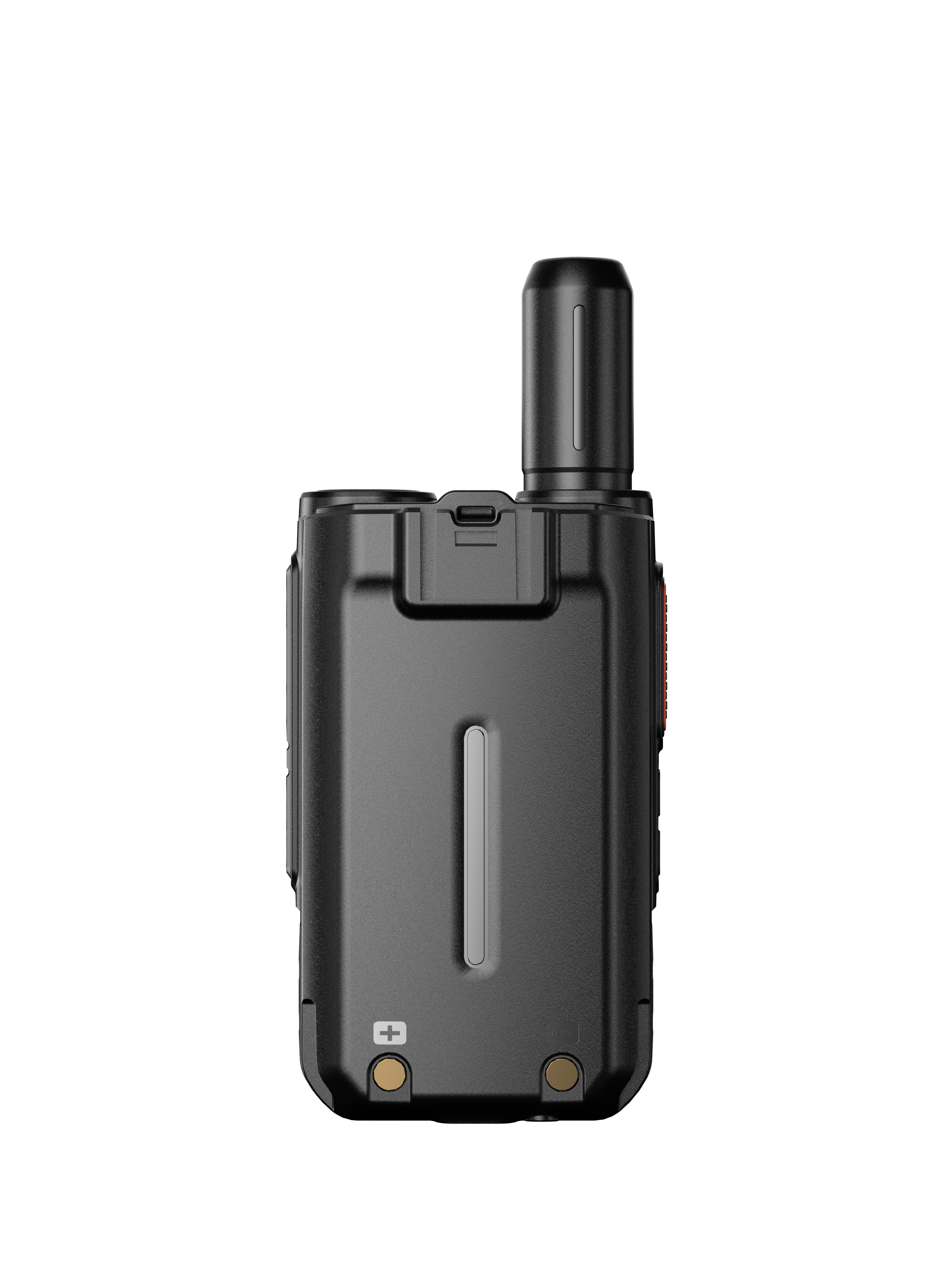
The 7.4V thin lithium - ion battery boasts remarkable energy density. Compared with traditional batteries, it can store up to 30% more energy in the same volume. This high energy density directly translates into longer battery life for wireless communication devices, reducing the frequency of charging and enhancing the overall user experience.
In terms of volume adaptability, its thin design allows it to fit seamlessly into various wireless communication devices. For example, in a Motorola walkie - talkie, the thin battery can be integrated without significantly increasing the device's thickness, making the walkie - talkie more compact and easier to carry around.
Let's take a look at the specific application of the 7.4V thin lithium - ion battery in Motorola walkie - talkies. Through optimized battery layout design, the battery is evenly distributed within the device, which not only improves the device's balance but also helps with heat dissipation. The heat generated during battery operation can be effectively dissipated, reducing the risk of overheating and ensuring stable performance.
According to practical tests, the temperature of the Motorola walkie - talkie with the 7.4V thin lithium - ion battery is on average 5 - 8 degrees Celsius lower than that of similar products using traditional batteries during continuous operation.
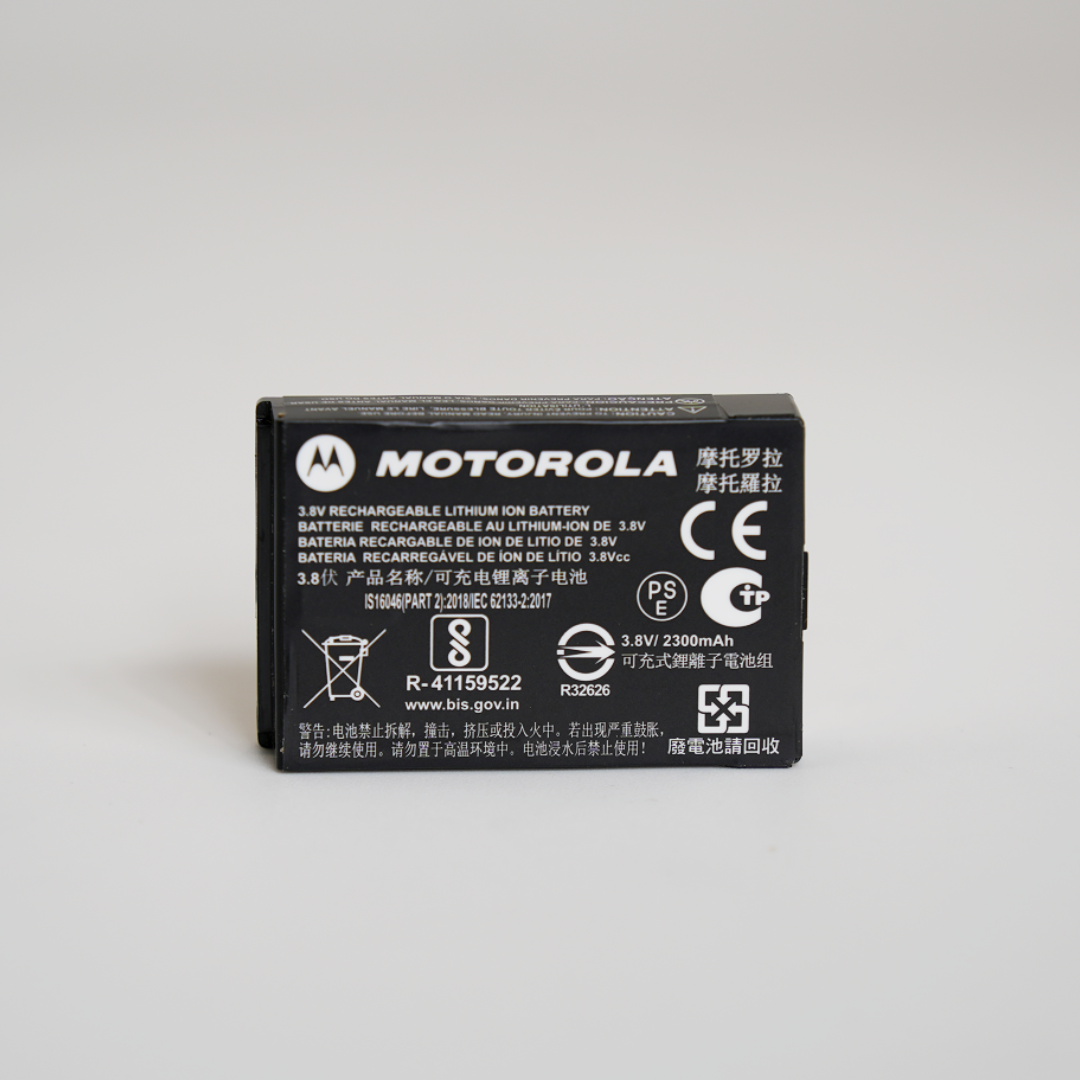
The Battery Management System (BMS) plays a crucial role in ensuring the safety and longevity of wireless communication devices. The integration of BMS follows strict principles. Firstly, it provides multiple layers of safety protection, such as over - charge protection, over - discharge protection, and short - circuit protection. This effectively prevents potential safety hazards and ensures the safe operation of the device.
Secondly, the BMS can optimize the charging and discharging process of the battery, extending its service life. Studies have shown that with proper BMS integration, the battery life of wireless communication devices can be extended by up to 20%.
The wireless communication battery technology is evolving rapidly. In the future, we can expect even higher energy density, better heat dissipation performance, and more intelligent BMS integration. For example, the application of artificial intelligence in BMS may enable more precise battery management, further improving the performance and reliability of wireless communication devices.
If you are a R & D engineer or a product manager in the wireless communication industry, this technology can provide you with valuable insights and practical solutions to enhance the competitiveness of your products. Don't miss this opportunity to take your products to the next level. Click here to learn more about our innovative battery solutions!
We encourage you to share your thoughts and questions about the future of wireless communication battery technology in the comments section below. Let's start a lively discussion!






.png?x-oss-process=image/resize,h_600,m_lfit/format,webp)
.png)




 Facebook