
If you rely on Motorola GP series two-way radios in demanding environments like outdoor operations, security patrols, or logistics coordination, you know battery life is critical. Ever wondered why your GP340 or GP380 battery drains faster on some days? This guide dives deep into the scientific and practical factors influencing battery longevity and how, by adjusting usage and maintenance habits, you can significantly extend your radio’s operational time — without the need for frequent replacements.
Lithium-ion batteries powering the GP series are sensitive to ambient temperature. In cold conditions below 0°C (32°F), battery capacity can reduce by 20–30%, due to slowed chemical reactions. Conversely, temperatures above 40°C (104°F) accelerate internal degradation, shortening overall battery lifespan.
Tip: Store and operate your radios within 0°C to 35°C (32°F to 95°F) to balance performance and longevity.
Frequent shallow charging (topping off before the battery is fully drained) is preferable over deep discharges. Deep cycling below 20% charge regularly can stress battery cells, reducing cycle life by up to 25%.
Also, always use original or certified chargers designed for the GP series radios; non-compliant chargers risk improper voltage or current, potentially damaging the battery or causing inconsistent charge levels.
| Charging Practice | Effect on Battery Lifespan |
|---|---|
| Shallow charges (20%–80%) | Extends overall cycle life by 15–20% |
| Deep discharge & recharge (<20%) | Reduces battery lifespan by up to 25% |
| Use of original Motorola chargers | Ensures stable, safe charging and maximizes battery health |
The transmit power level directly influences battery drain. Operating at the highest power setting (typically 5 watts) can halve battery life compared to low power (1 watt).
Other features like constantly active scan or monitoring modes also draw more current. Consider disabling non-essential modes when idle and enabling “auto power off” to prevent unnecessary battery consumption.
Practical step: Adjust transmit power based on distance needs—use high power only when signal penetration or range is critical.
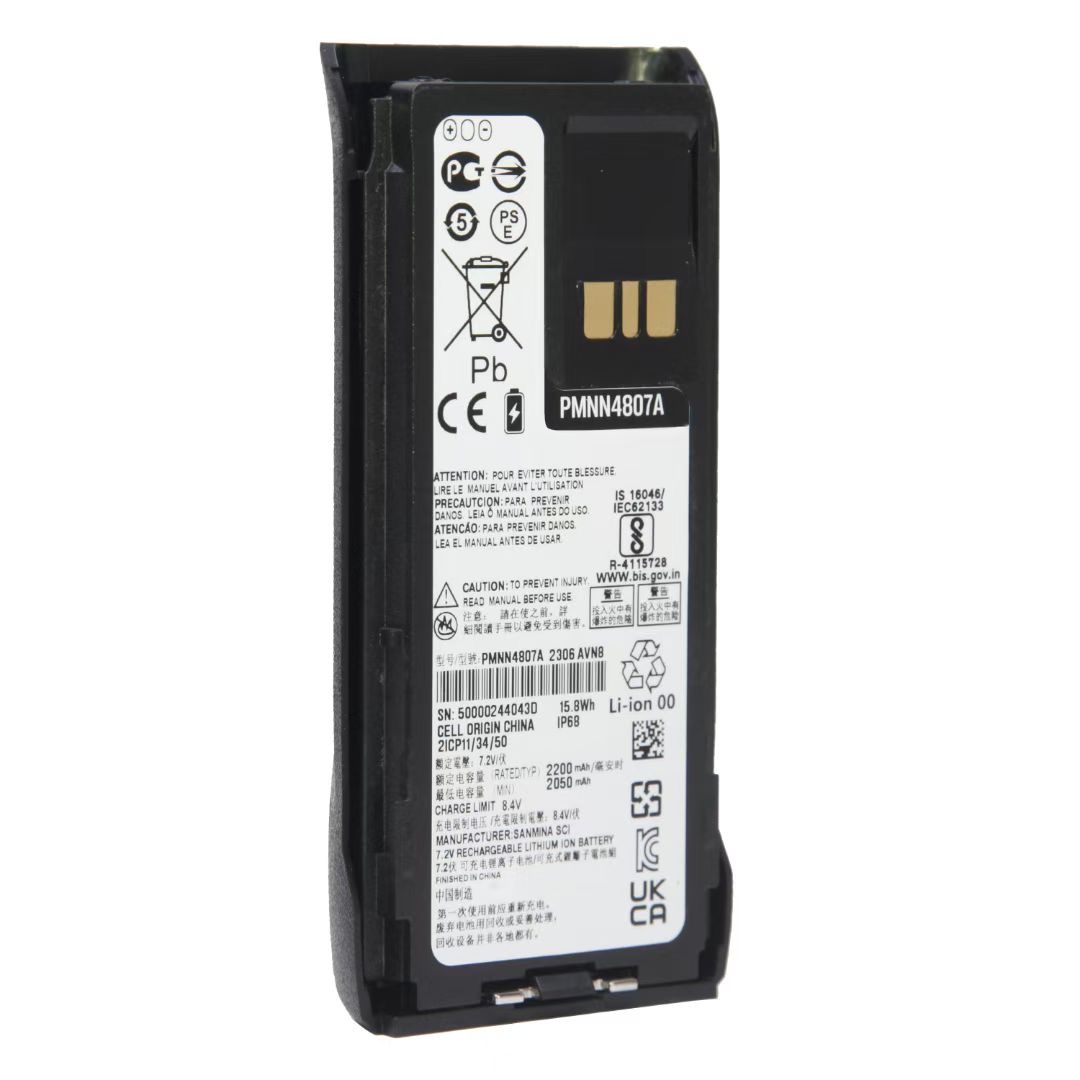
Avoid storing batteries fully discharged. If you plan not to use your radio for weeks, charge the battery to around 50% and store it in a cool, dry place (preferably 15°C to 25°C / 59°F to 77°F). This helps reduce capacity loss caused by deep discharge during idle time.
Periodically performing a full discharge and recharge cycle every 1–2 months recalibrates the battery meter, giving you more accurate runtime readings and preventing unexpected shutdowns.
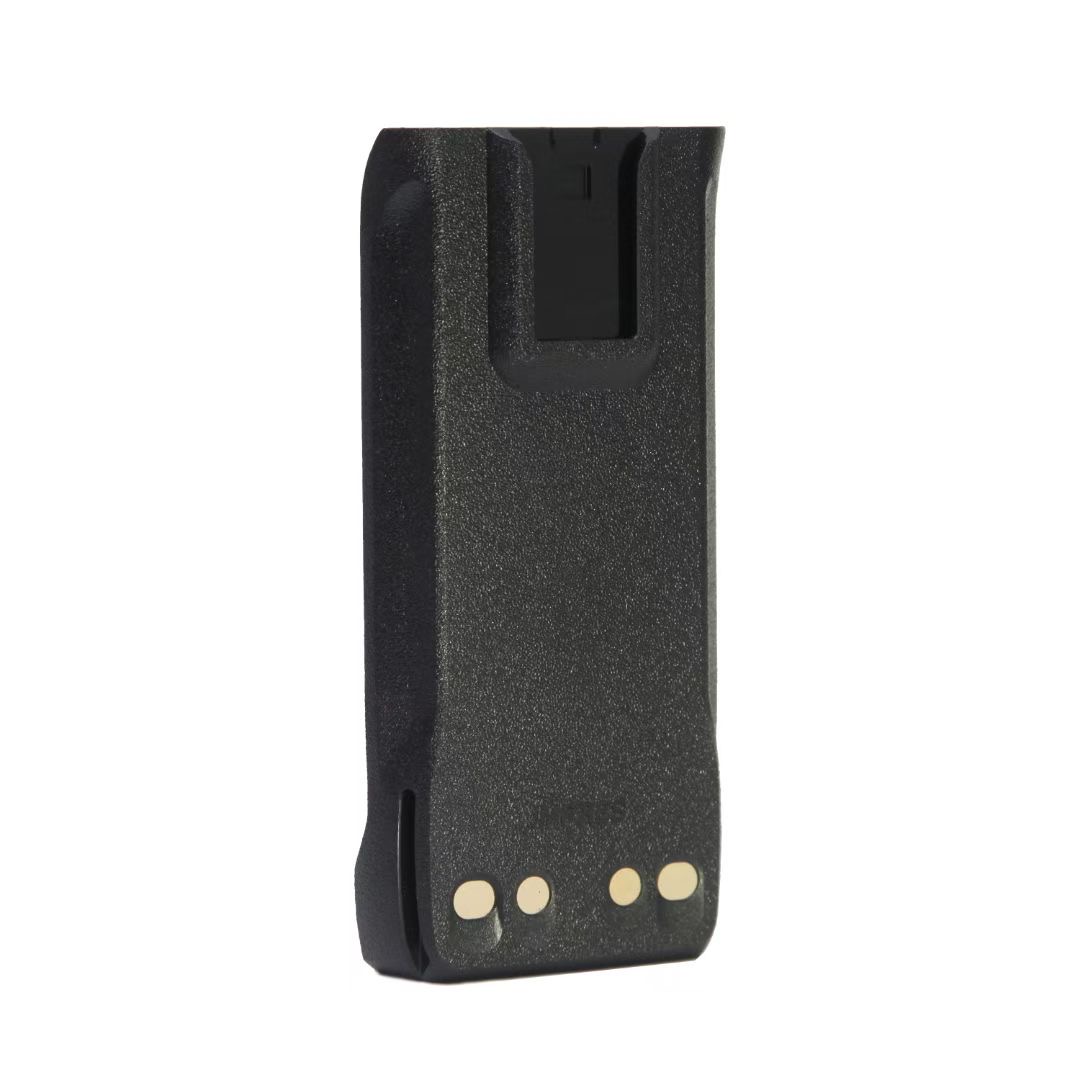
Consider how you operate your radios day-to-day:
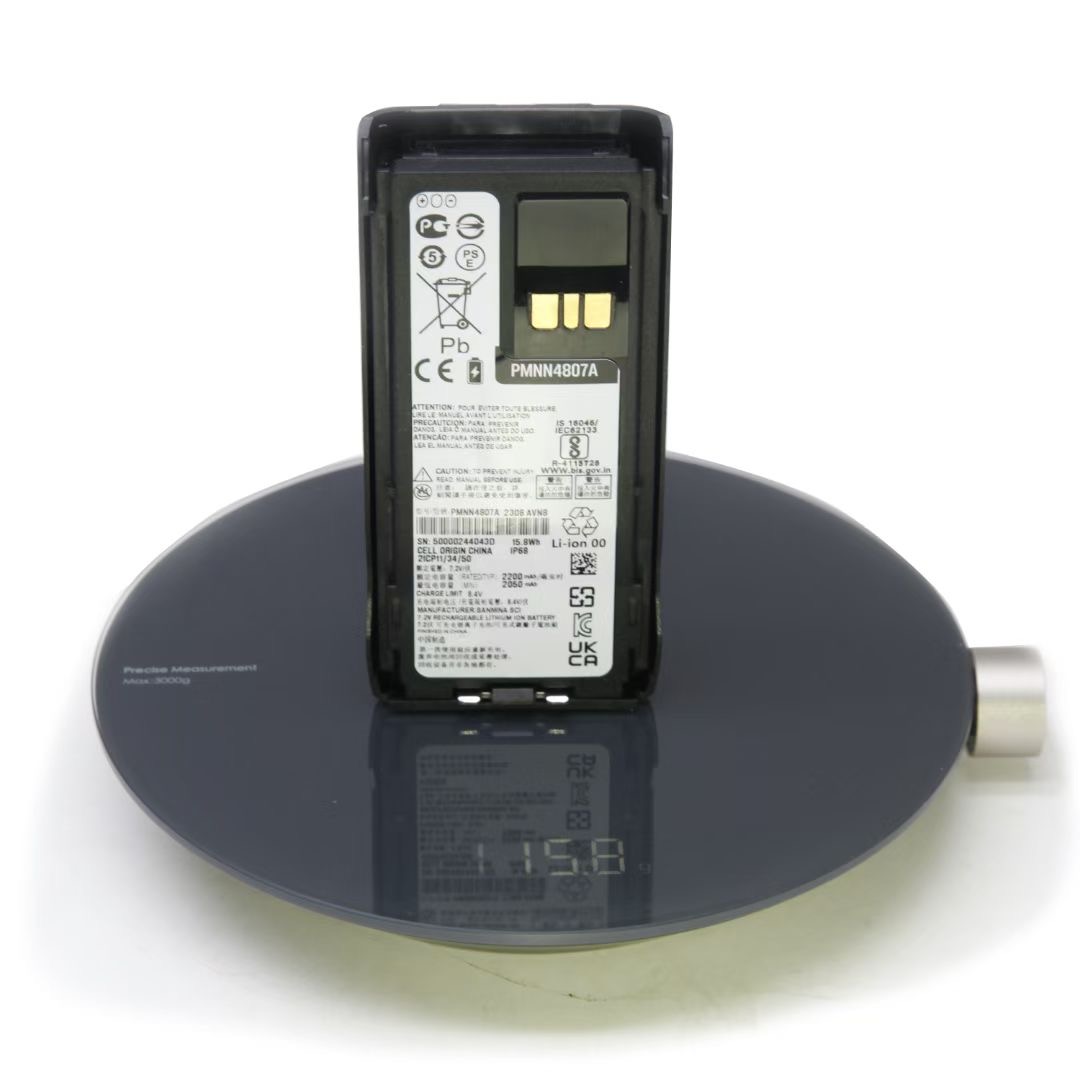
The NNTN5510 thin battery packs an impressive 2200mAh capacity in a lightweight design tailored specifically for Motorola GP series. With superior energy density and compatibility, it ensures longer talk time with less weight, letting you focus on your task, not the power meter.

 278
|
278
|
 YUECENT Y30
global
all-terrain
professional
walkie-talkie
POC technology
communication
construction site
emergency services
YUECENT Y30
global
all-terrain
professional
walkie-talkie
POC technology
communication
construction site
emergency services
 37
|
LTE walkie-talkies
global walkie-talkies
logistics communication devices
YUECENT Y10
POC walkie-talkies
37
|
LTE walkie-talkies
global walkie-talkies
logistics communication devices
YUECENT Y10
POC walkie-talkies
.jpg?x-oss-process=image/resize,h_600,m_lfit/format,webp) 422
|
wideband walkie talkie
UV-5R communication device
outdoor radio communication
multi-channel walkie talkie
emergency communication equipment
422
|
wideband walkie talkie
UV-5R communication device
outdoor radio communication
multi-channel walkie talkie
emergency communication equipment
 135
|
YUECENT Y50X global intercom
reliable intercom for international trade
secure communication solution for global trade
135
|
YUECENT Y50X global intercom
reliable intercom for international trade
secure communication solution for global trade
 146
|
YUECENT Y60 Global Walkie-Talkie
one-touch talk walkie-talkie
encrypted secure walkie-talkie
146
|
YUECENT Y60 Global Walkie-Talkie
one-touch talk walkie-talkie
encrypted secure walkie-talkie





.png?x-oss-process=image/resize,h_600,m_lfit/format,webp)
.png)




.png?x-oss-process=image/resize,h_600,m_lfit/format,webp)


.png?x-oss-process=image/resize,h_600,m_lfit/format,webp)
 Facebook