
In high-noise environments such as factories, traditional communication devices often face challenges in maintaining clear voice communication. Multi-microphone arrays offer a solution by combining sound collection methods, spatial filtering mechanisms, and AI noise reduction algorithms. The sound collection process involves multiple microphones capturing audio signals from different directions. The spatial filtering mechanism then filters out unwanted noise based on the direction of the sound source. Meanwhile, the AI noise reduction algorithm further enhances the quality of the collected voice by adapting to the noise environment.
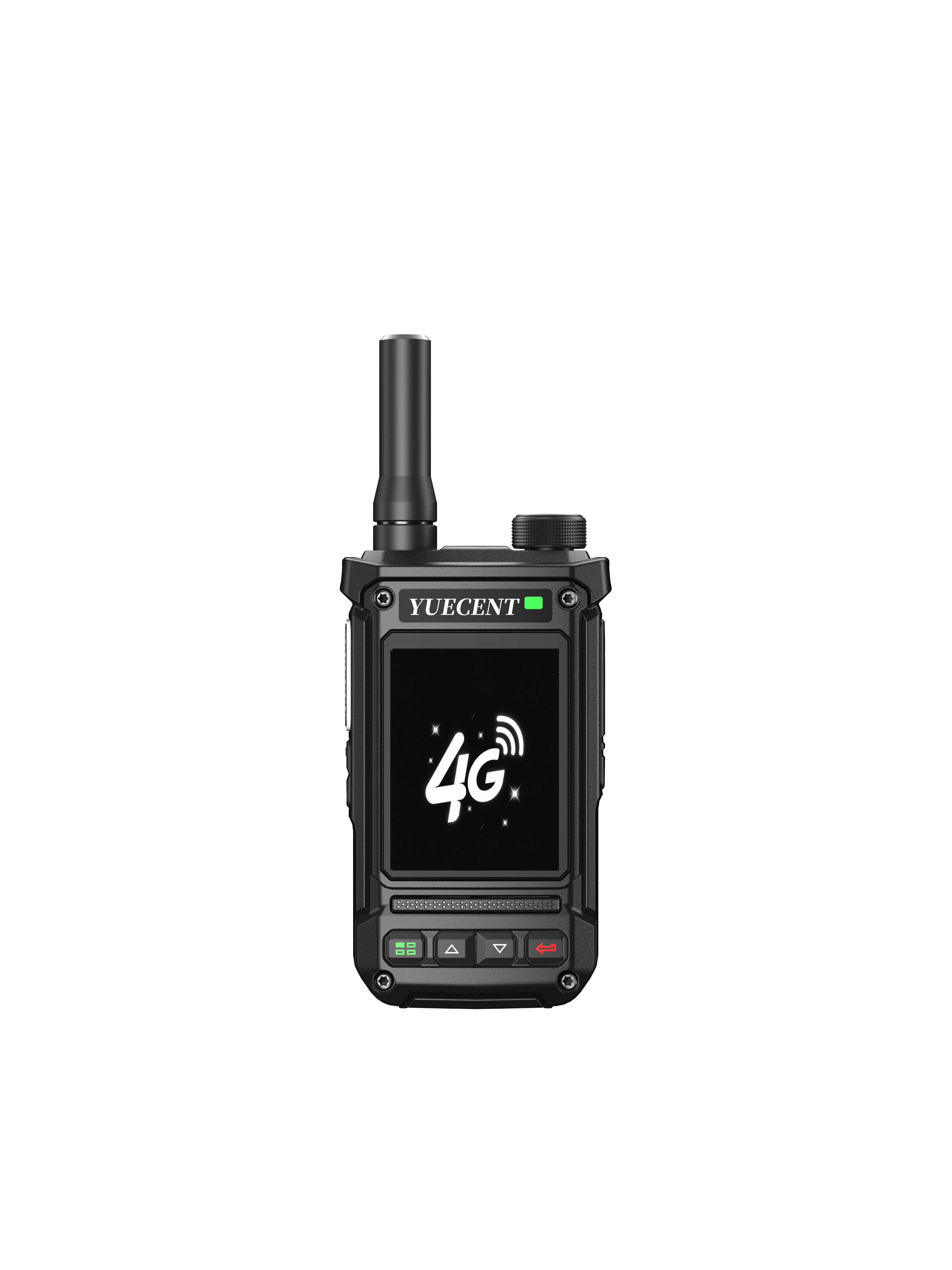
Factory noise sources, including mechanical roars, wind noise, and human voice reverberation, pose significant challenges to communication quality. Mechanical roars, with their high-intensity and low-frequency characteristics, can easily drown out human voices. Wind noise can cause whistling sounds, making the voice unclear. Human voice reverberation can lead to echoes, further blurring the voice. These challenges result in poor communication efficiency and potential safety risks in the factory environment.
When designing a multi-microphone array, several key parameters need to be considered. The array spacing affects the accuracy of sound source localization. A proper spacing ensures that the microphones can accurately capture the differences in sound arrival time from different directions. The directivity control determines the sensitivity of the array to sounds from different directions. By adjusting the directivity, the array can focus on the desired sound source and reduce the impact of noise from other directions. The environmental perception ability allows the array to adapt to different noise environments, enabling more effective noise reduction.
Real-time signal processing technology is crucial for ensuring low-latency and high-fidelity voice transmission. In factory environments, especially in emergency situations, low latency is essential for quick response. High-fidelity voice transmission ensures that the voice information is accurately conveyed. Advanced signal processing algorithms can remove noise in real-time while maintaining the integrity of the voice signal, meeting the requirements of emergency response.
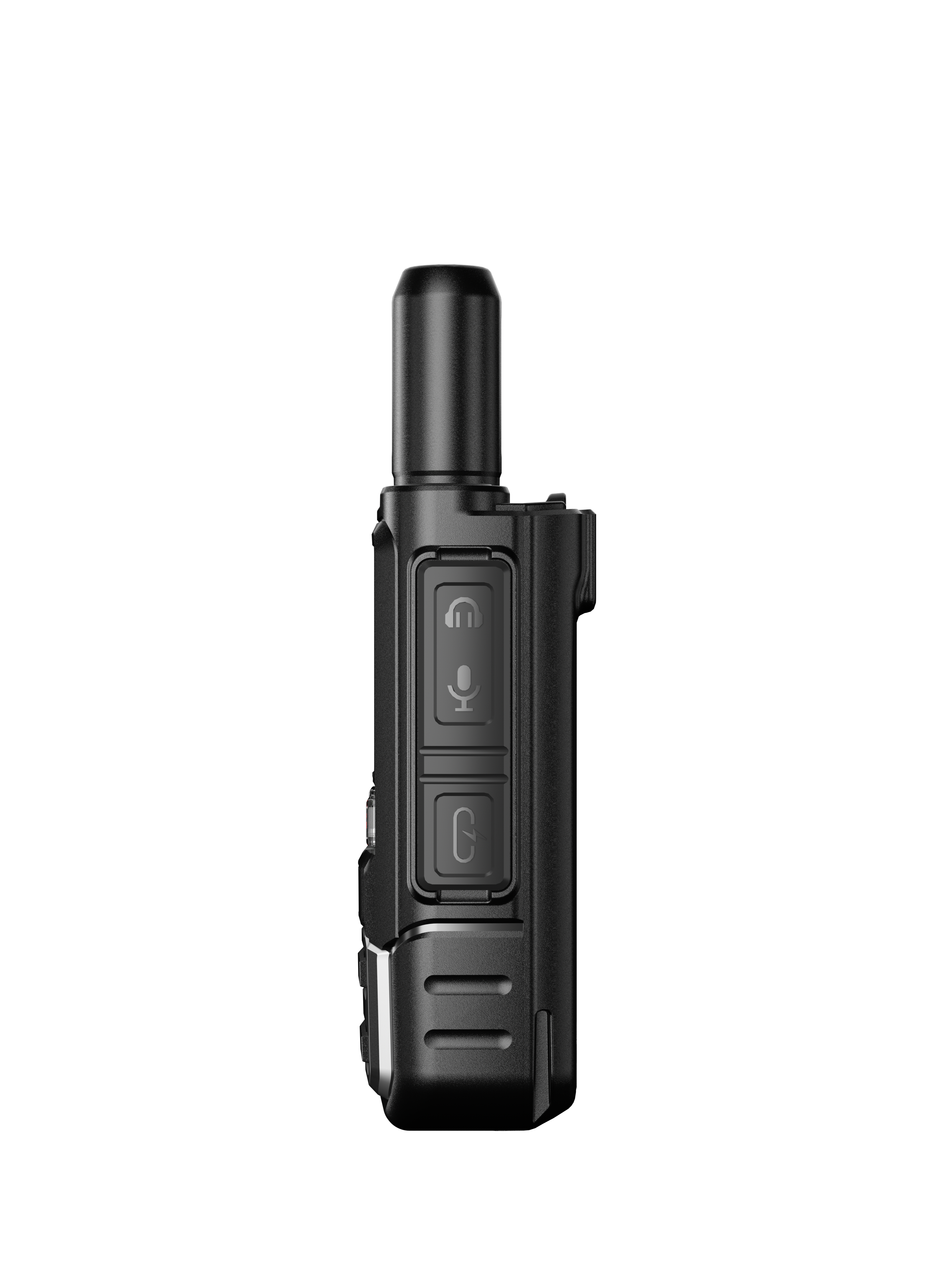
In real industrial scenarios such as manufacturing workshops and underground mines, the performance of multi-microphone arrays can be clearly demonstrated. For example, in a manufacturing workshop, traditional intercom devices often suffer from severe noise interference, resulting in communication difficulties. After replacing with multi-microphone array-based communication devices, the voice clarity is significantly improved. The noise reduction performance comparison shows that the new devices can reduce background noise by up to 80%, ensuring clear communication even in extremely noisy environments. Based on these case studies, specific configuration suggestions are provided for different industrial scenarios.
When selecting communication devices, it is important to consider the hardware and software integration capabilities and the environmental adaptation adjustment function. A device with good integration capabilities can ensure stable operation and efficient performance. The environmental adaptation adjustment function allows the device to automatically adjust its parameters according to the noise environment, providing better noise reduction effects. Additionally, users can listen to the actual audio samples of the products to directly experience the difference in noise reduction effects. Click here to listen to the audio samples.
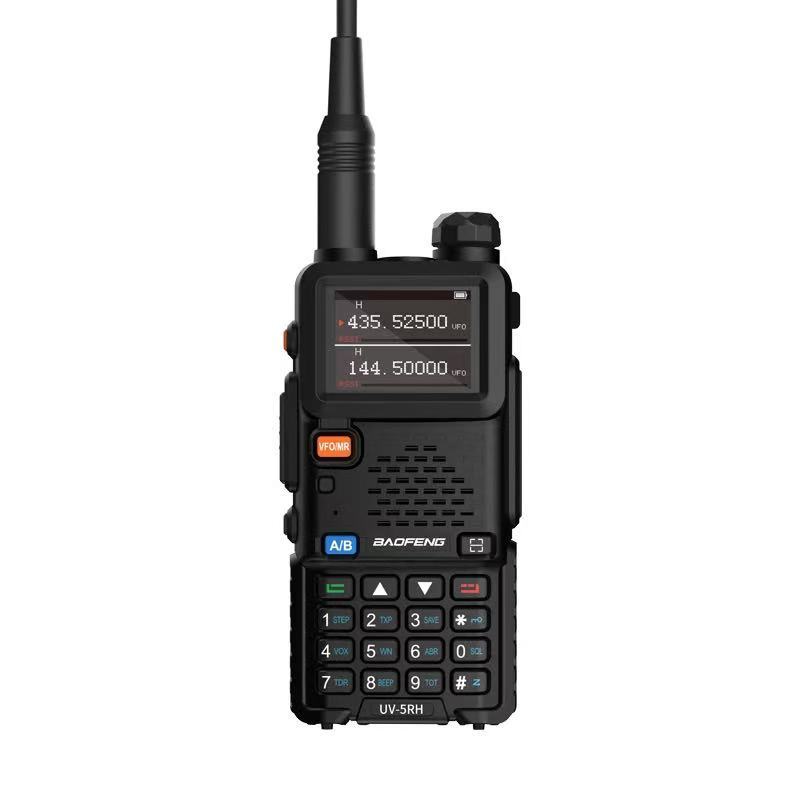
In conclusion, multi-microphone arrays offer a powerful solution for improving communication quality in factory environments. By understanding their working principles, design parameters, and real-world applications, users can make more informed decisions when selecting and deploying communication devices. If you want to further understand how the YUECENT Y50X performs in complex working conditions, please view our technical white paper.






.png?x-oss-process=image/resize,h_600,m_lfit/format,webp)
.png)


.png?x-oss-process=image/resize,h_600,m_lfit/format,webp)


 Facebook