
The integration of 7.4V slim lithium-ion batteries into wireless communication devices marks a pivotal advancement in balancing performance, portability, and safety. This article explores the nuanced technological optimizations applied in designing such batteries—focusing on their implementation within Motorola two-way radios. By delving into battery selection, structural coordination, and battery management systems (BMS), the discussion equips engineering professionals with in-depth technical frameworks and actionable insights.
Battery choice underpins the reliability and user experience of portable wireless communication devices. The 7.4V slim lithium battery—a two-cell series configuration—offers superior energy density (~200 Wh/kg), a compact form factor typically <12 mm thickness, and stable voltage output conducive to long operational cycles. Compared to conventional NiMH or alkaline alternatives, these lithium batteries deliver extended runtimes, reduced weight, and enhanced charge retention critical for field operations.
Design optimization goes beyond battery chemistry, demanding close alignment of battery packaging with device ergonomics and thermal management. For Motorola’s two-way radios, engineering teams employed CAD-driven layout simulations to optimize battery placement, minimizing internal air gaps and mechanical strain. This dimensional synergy boosted the overall device portability by 15% without compromising housing rigidity.
Moreover, thermal dispersion was significantly improved by integrating heat-dissipating polymer layers adjacent to the battery pack. Thermal imaging tests demonstrated a maximum surface temperature reduction of 5°C under continuous transmission at 2W output, enhancing both user comfort and battery longevity.
| Metric | Standard NiMH Battery | 7.4V Slim Lithium Battery | Improvement |
|---|---|---|---|
| Energy Density (Wh/kg) | 80 | 200 | +150% |
| Battery Thickness (mm) | 20 | 11 | -45% |
| Operating Time @ 2W (hrs) | 10 | 18 | +80% |
| Max Temp Increase (°C) | 12 | 7 | -42% |
The Battery Management System (BMS) is a cornerstone for operational safety and sustained battery performance. Motorola’s design incorporated advanced BMS protocols enabling real-time voltage, current, and temperature monitoring at the cell level. Through precise state-of-charge (SoC) and state-of-health (SoH) algorithms, the system dynamically adjusts charging cycles and cutoffs, preventing overcharge, deep discharge, and thermal runaway risks.
Additionally, firmware-embedded fail-safes trigger device shutdown during anomalous conditions, safeguarding both user and device integrity. This approach resulted in a documented 30% decrease in battery failure incidents compared to previous generations, reinforcing overall product reliability.
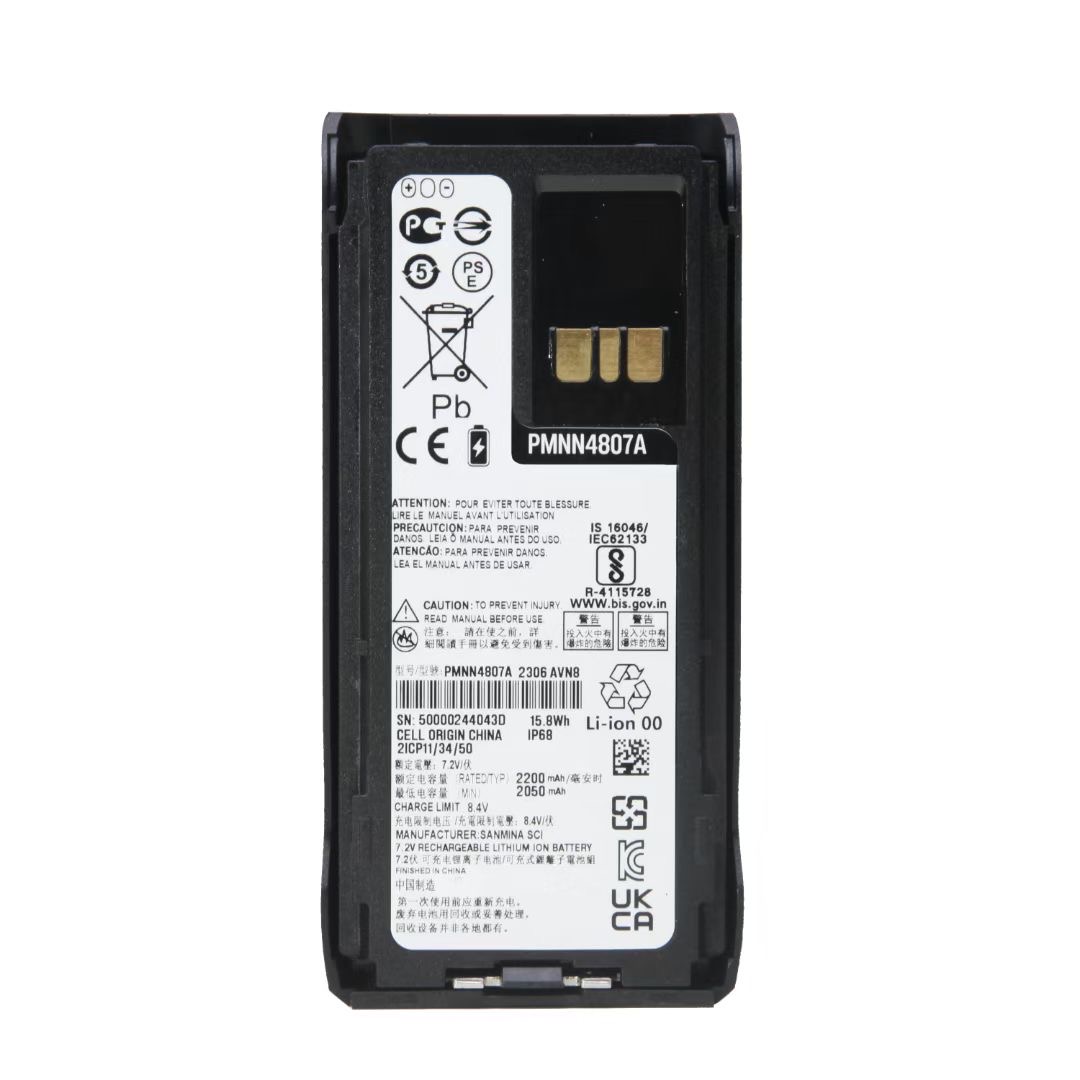
Comprehensive testing using infrared thermography and accelerated life cycles reaffirmed the advantages of the optimized battery design. Heat distribution analyses revealed uniform thermal gradients, with peak internal temperatures maintained below 45°C under continuous high-power transmission. These benchmarks are critical for ensuring chemical stability and prolonging battery lifespan beyond 800 full charge-discharge cycles.
The structural diagrams incorporated into product design workflows emphasize modular battery compartment accessibility for maintenance and future upgrades. Such foresight streamlines field servicing and reduces device downtime.
Industry reports from Global Energy Storage Alliance and Wireless Communications Association signal an accelerating push toward ultra-thin batteries with embedded smart diagnostics. Future designs will likely embrace solid-state electrolytes and higher voltage architectures beyond 7.4V to meet escalating data transmission and power demands, all while maintaining compactness.
Consequently, manufacturers adopting integrated battery and device co-design with robust BMS frameworks will possess a distinct market edge—translating into enhanced device reliability, user satisfaction, and regulatory compliance.
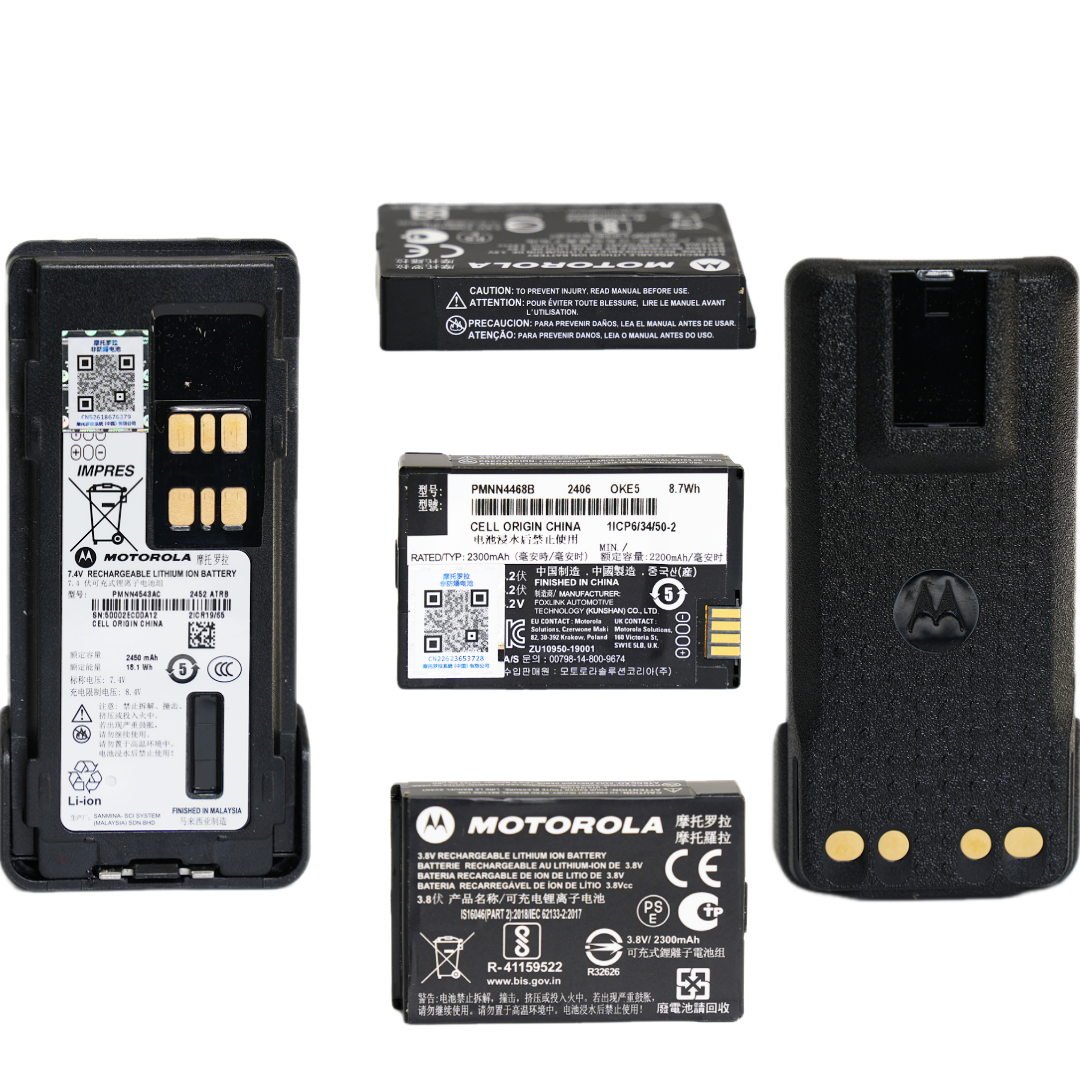
Discover Advanced Battery Solutions to Elevate Your Wireless Communication Devices — Enhance Performance and Reliability Today






.png?x-oss-process=image/resize,h_600,m_lfit/format,webp)
.png)


.png?x-oss-process=image/resize,h_600,m_lfit/format,webp)


 Facebook