
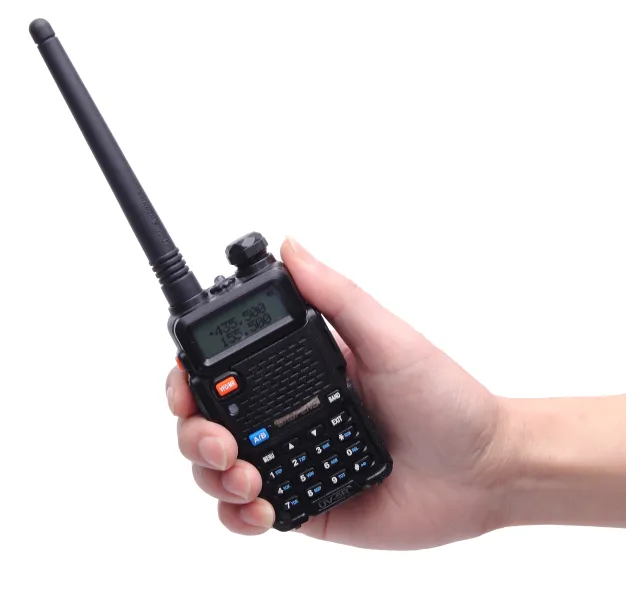
In today’s compact wireless communication devices—from rugged Motorola walkie-talkies to portable IoT gateways—battery selection isn’t just about capacity anymore. It’s a strategic design challenge that directly impacts portability, thermal management, and long-term reliability. For engineers and product managers facing tight form factors, the 7.4V thin lithium-ion battery has emerged as a game-changer—not just for energy density, but for how it reshapes internal architecture.
Traditional cylindrical cells often force designers into trade-offs between performance and space. But with modern pouch-cell technology, we’re seeing 7.4V batteries achieve up to 280 Wh/kg (vs. ~200 Wh/kg for older designs) while maintaining a thickness under 8mm—ideal for slim handheld radios.
| Design Metric | Older Solution | 7.4V Thin Battery |
|---|---|---|
| Thickness | 12–15 mm | ≤ 8 mm |
| Energy Density | ~200 Wh/kg | ~280 Wh/kg |
| Max Temp Rise (After 1hr Use) | +18°C | +12°C |
A recent project by a leading OEM showed that switching to a custom 7.4V thin cell allowed them to reduce device volume by 22% without sacrificing runtime—while also cutting average operating temperature by 6°C during continuous transmission.
“We were stuck with a bulky battery that limited our ability to add features like GPS or Bluetooth. Once we adopted the 7.4V thin solution, not only did we gain space, but our thermal profile improved enough to enable higher output power safely.” — Project Lead, R&D Team at GlobalCom Tech
The real breakthrough comes when you integrate the battery layout with a robust BMS system. In one test case, engineers used a segmented placement strategy where the battery was divided into two zones—one near the processor for low-voltage delivery, another near the antenna for minimal EMI interference. This reduced voltage drop by over 15% under load compared to a single-pack setup.
And because the BMS monitors each segment independently, even if one area heats up slightly due to high current draw, the rest of the pack remains stable—a critical feature for mission-critical comms gear used in construction sites, logistics hubs, or emergency response units.
Your device may be struggling with performance bottlenecks caused by poor battery integration. → This solution helps you reverse that bottleneck!






.png?x-oss-process=image/resize,h_600,m_lfit/format,webp)
.png)




 Facebook