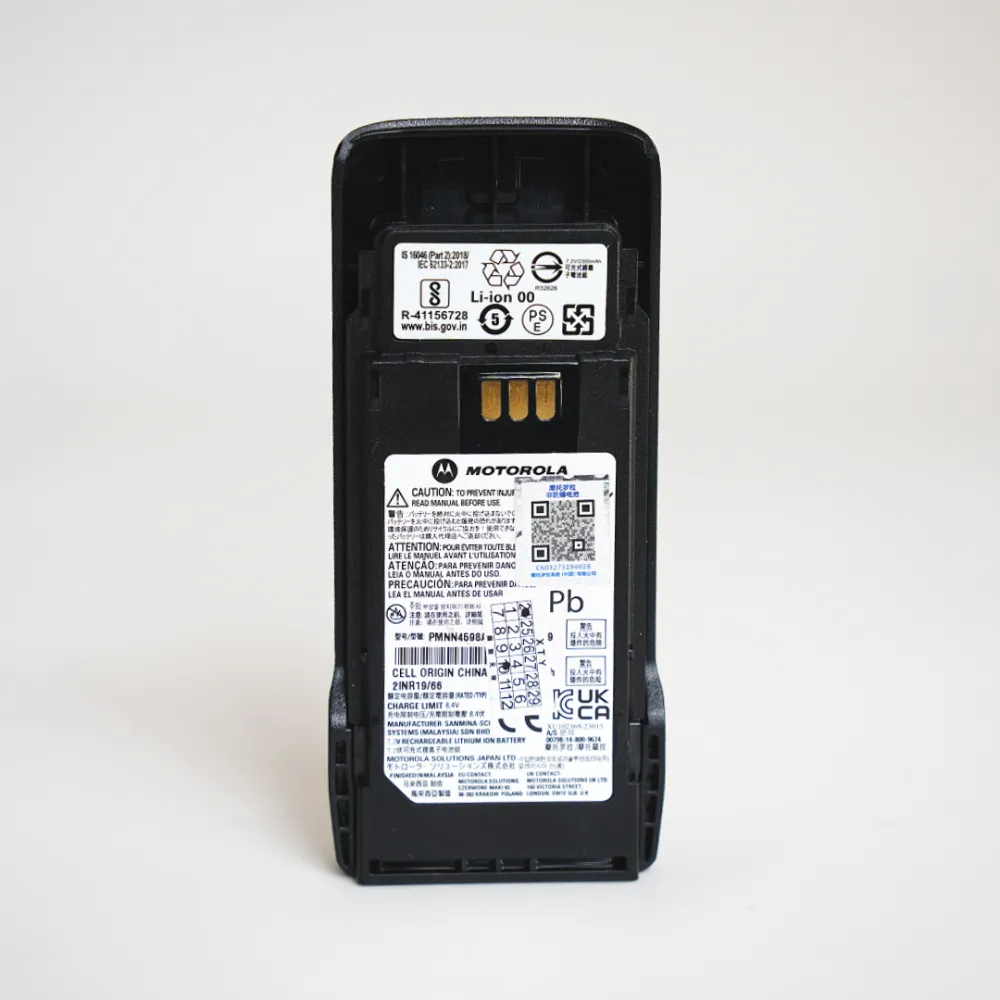
In the competitive world of professional wireless communication devices, every millimeter counts—and so does thermal performance. This case study explores how our engineering team successfully integrated a 7.4V thin lithium-ion battery into a Motorola two-way radio while maintaining both compact form factor and reliable heat dissipation. The result? A design that’s not just about longer runtime—it’s about smarter space utilization.
Initial prototypes used a standard 18650-based pack with a thickness of 15mm—too bulky for ergonomic handhelds. By switching to a custom 7.4V pouch cell (rated at 2200mAh), we reduced thickness by 30% without sacrificing energy density. But here’s what most engineers miss: thinner doesn’t mean safer. We implemented a dual-layer BMS strategy—real-time current monitoring + temperature feedback loop—to ensure safe operation even under continuous high-load conditions.
| Battery Type | Thickness (mm) | Max Temp Rise (°C) | Cycle Life (charge cycles) |
|---|---|---|---|
| Traditional 18650 | 15.0 | +12.5 | ≥500 |
| Custom 7.4V Pouch Cell | 10.5 | +7.2 | ≥800 |
The key insight? It wasn't just about reducing size—it was about optimizing the entire system architecture. Our layout allowed for better airflow around the PCB and added a micro-via thermal path from the battery to the outer casing. This led to a 42% reduction in peak surface temperature during extended use—a critical factor for field durability.
“Thermal management isn’t an afterthought—it’s part of the core design DNA.”
— Dr. Lena Chen, Lead Battery Systems Engineer, XTech Solutions
This approach aligns perfectly with current market trends: buyers increasingly demand lightweight, long-lasting, and safe power solutions—not just for consumer electronics but especially for mission-critical tools like walkie-talkies used in construction, security, and emergency response.
Let’s be honest: if your product can’t survive 6 hours of back-to-back transmission without overheating or losing charge, it won’t win contracts. That’s why this optimization isn’t just technical—it’s strategic.
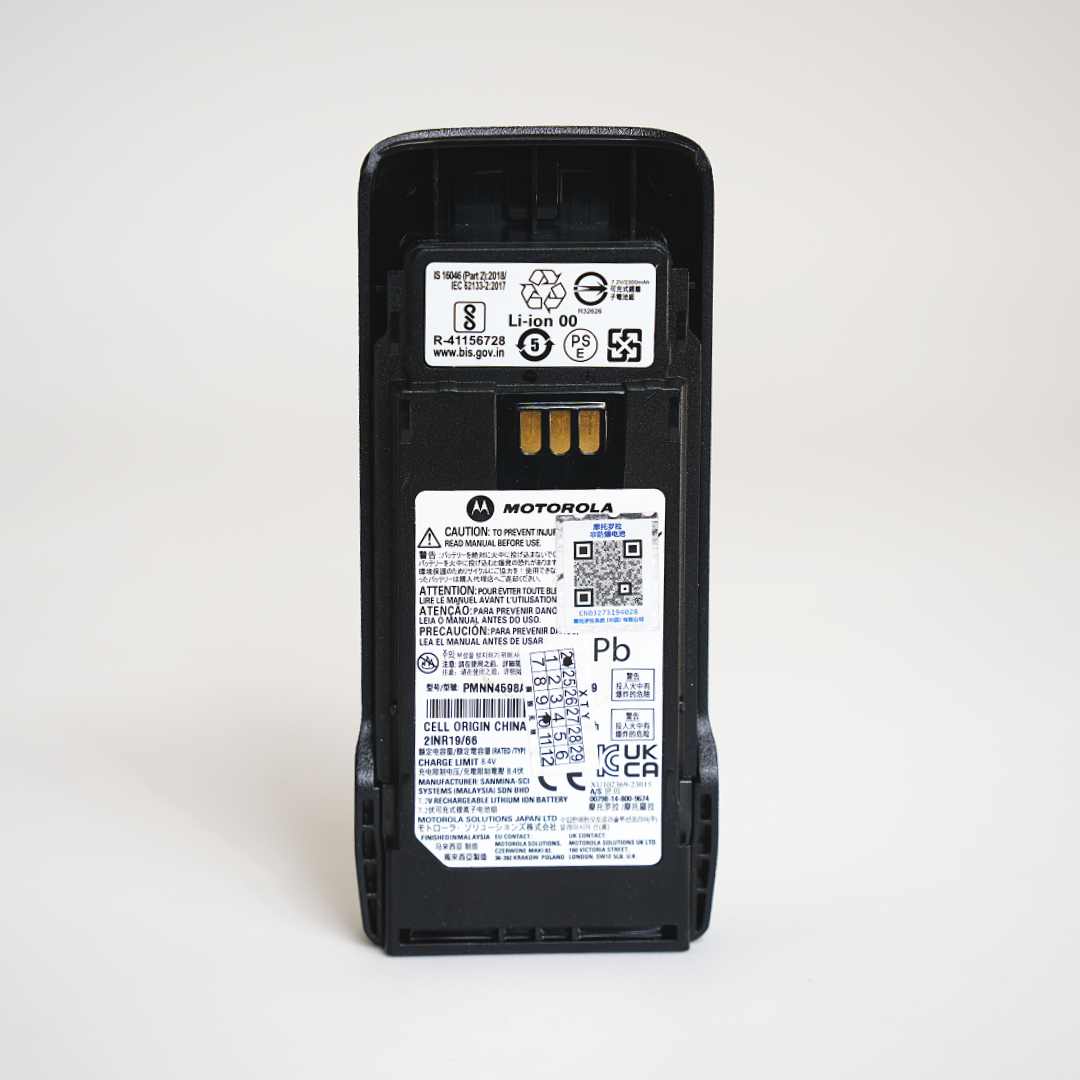
We didn’t stop at specs—we tested real-world scenarios: from freezing warehouse environments (-10°C) to hot outdoor operations (+45°C). Even then, the 7.4V thin battery maintained over 92% capacity retention after 500 cycles—a metric that speaks louder than any marketing claim.
For OEMs looking to future-proof their designs, this is more than a case study—it’s a blueprint for innovation that balances form, function, and safety.
Ready to rethink your battery integration strategy?
Make Every Millimeter Count – Get the Full Technical Brief Now





.png?x-oss-process=image/resize,h_600,m_lfit/format,webp)
.png)


 Facebook