
In the highly competitive wireless communication device market, the selection of batteries plays a pivotal role. The demand for high - performance, portable, and efficient batteries is on the rise. Among them, the 7.4V thin lithium - ion battery has emerged as a popular choice, meeting the market needs for its unique performance and application advantages.
According to industry reports, over 60% of wireless communication device manufacturers are looking for batteries that can improve device portability and heat dissipation efficiency. The 7.4V thin lithium - ion battery fits this requirement perfectly.
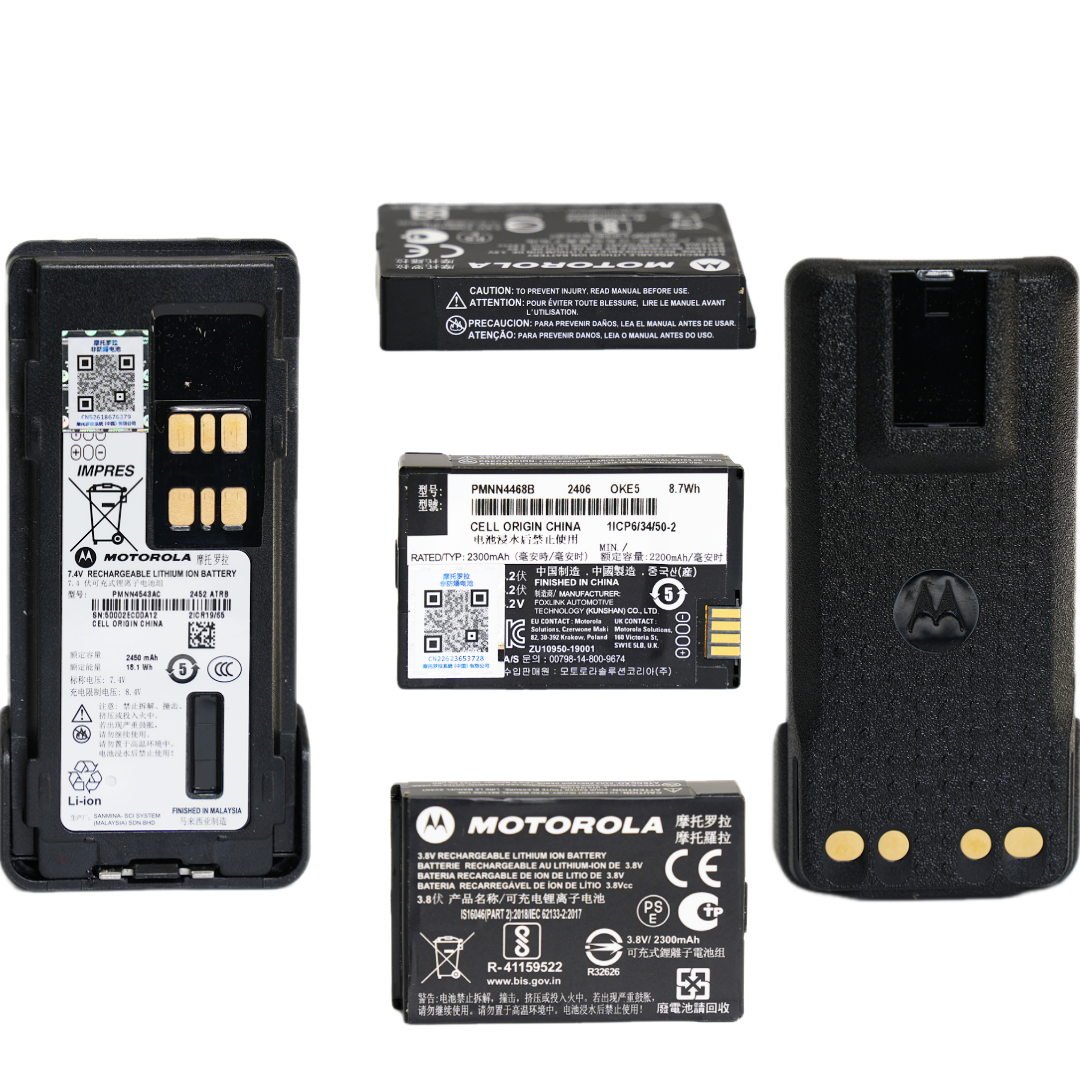
Compared with traditional batteries, 7.4V thin lithium - ion batteries have significant advantages in performance, volume, and energy density. For example, in Motorola walkie - talkies, these batteries can provide a stable output voltage of 7.4V, ensuring clear and stable communication. Their thin design reduces the overall weight and size of the device, making it more portable.
In terms of energy density, 7.4V thin lithium - ion batteries can reach up to 200 Wh/kg, which means they can store more energy in a smaller volume, extending the battery life of wireless communication devices.
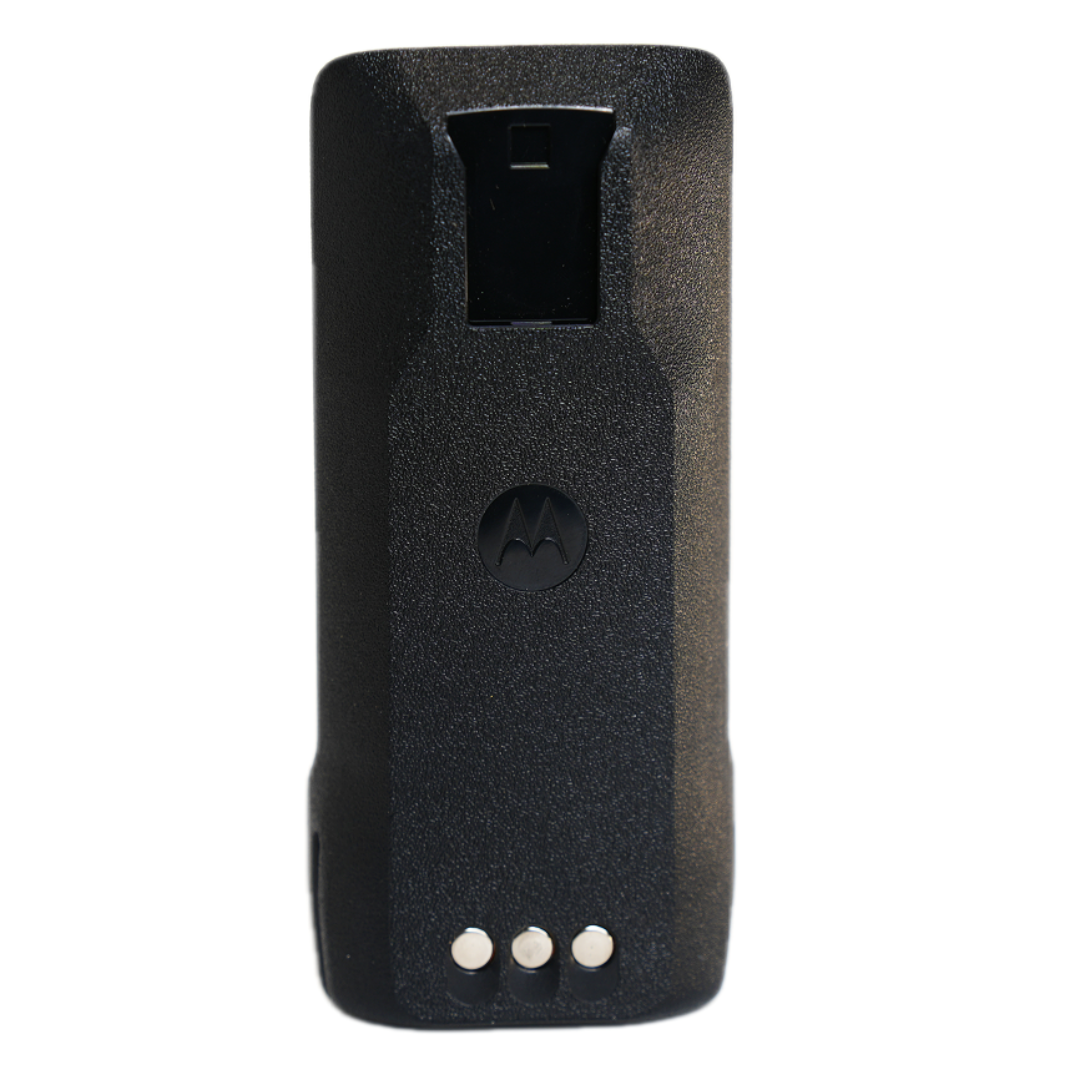
Through practical design cases, we can see how the optimized layout and structural design of 7.4V thin lithium - ion batteries improve the portability and heat dissipation efficiency of wireless communication devices. In a certain Motorola walkie - talkie design project, by rearranging the internal battery components and using a more compact structure, the overall weight of the device was reduced by 15%, and the thickness was reduced by 10%.
In terms of heat dissipation, the use of new heat - conducting materials and optimized heat dissipation channels can reduce the battery temperature by 5 - 10°C during continuous operation, effectively improving the stability and reliability of the device.
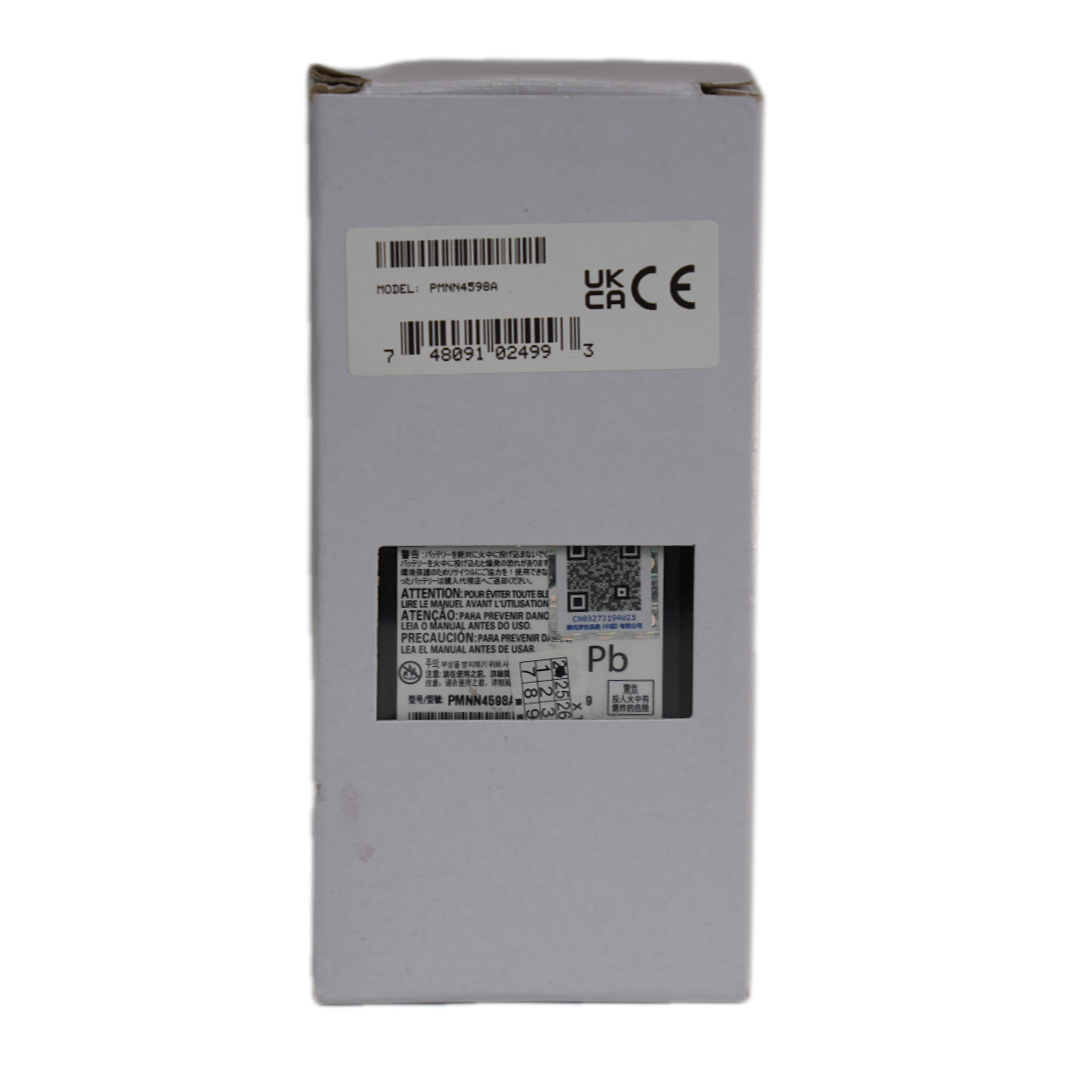
The integration of the Battery Management System (BMS) is crucial for 7.4V thin lithium - ion batteries. BMS can monitor the battery status in real - time, including voltage, current, temperature, etc., and take corresponding protective measures to ensure the safety and long - term performance of the battery.
According to industry experts, a well - designed BMS can extend the battery life by 20 - 30% and significantly reduce the risk of battery failure. In Motorola walkie - talkies, the integrated BMS can also optimize the charging and discharging process, improving the overall energy utilization efficiency of the device.
Looking ahead, the battery technology for wireless communication devices will continue to evolve. The demand for higher energy density, faster charging, and better heat dissipation will drive continuous innovation in the industry. For example, the development of solid - state batteries and new battery materials is expected to bring new breakthroughs to the field of wireless communication device batteries.
Industry insiders predict that in the next 5 years, the energy density of wireless communication device batteries will increase by 30 - 50%, and the charging time will be reduced by half.
We invite you to join the discussion: What do you think are the most critical factors in the future development of wireless communication device battery technology? Share your views and insights in the comments section below.
If you are a wireless communication device R & D engineer or product manager, and you want to learn more about the latest battery technology and design solutions, click here to get more professional technical references and industry insights.






.png?x-oss-process=image/resize,h_600,m_lfit/format,webp)
.png)


.png?x-oss-process=image/resize,h_600,m_lfit/format,webp)
 Facebook