
In high - intensity work scenarios such as emergency services, construction sites, and logistics transportation, the battery life of walkie - talkies directly determines communication efficiency and safety. You, as a professional in the international emergency services market, understand how crucial reliable communication is during critical operations.
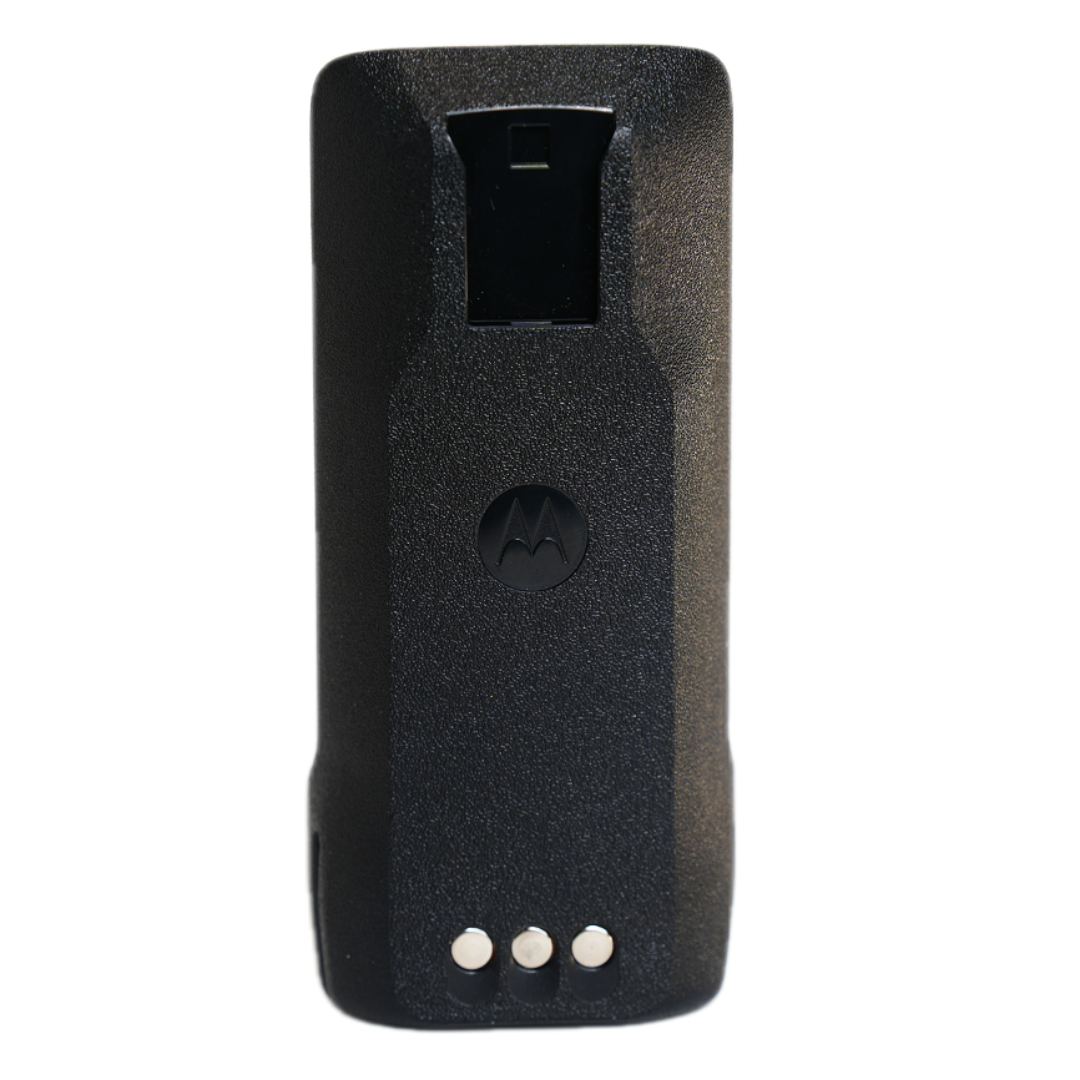
The international emergency services market has a pressing need for walkie - talkies with long battery life. In emergency rescue operations, a single communication interruption can lead to costly delays and even endanger lives. For example, during a large - scale fire rescue, firefighters need to communicate continuously for hours to coordinate their efforts. A walkie - talkie that runs out of power prematurely can disrupt the entire operation. Similarly, in construction sites and logistics transportation, seamless communication is essential for maintaining productivity and safety.
Battery capacity is a key factor in determining the battery life of a walkie - talkie. Take the NNTN5510 2200mAh battery as an example. In laboratory tests, a walkie - talkie equipped with a 2200mAh battery can last up to 10 hours under normal usage conditions (5% transmit, 5% receive, 90% standby). In contrast, a walkie - talkie with a 1500mAh battery may only last about 7 hours under the same conditions. This shows a clear positive correlation between battery capacity and battery life.
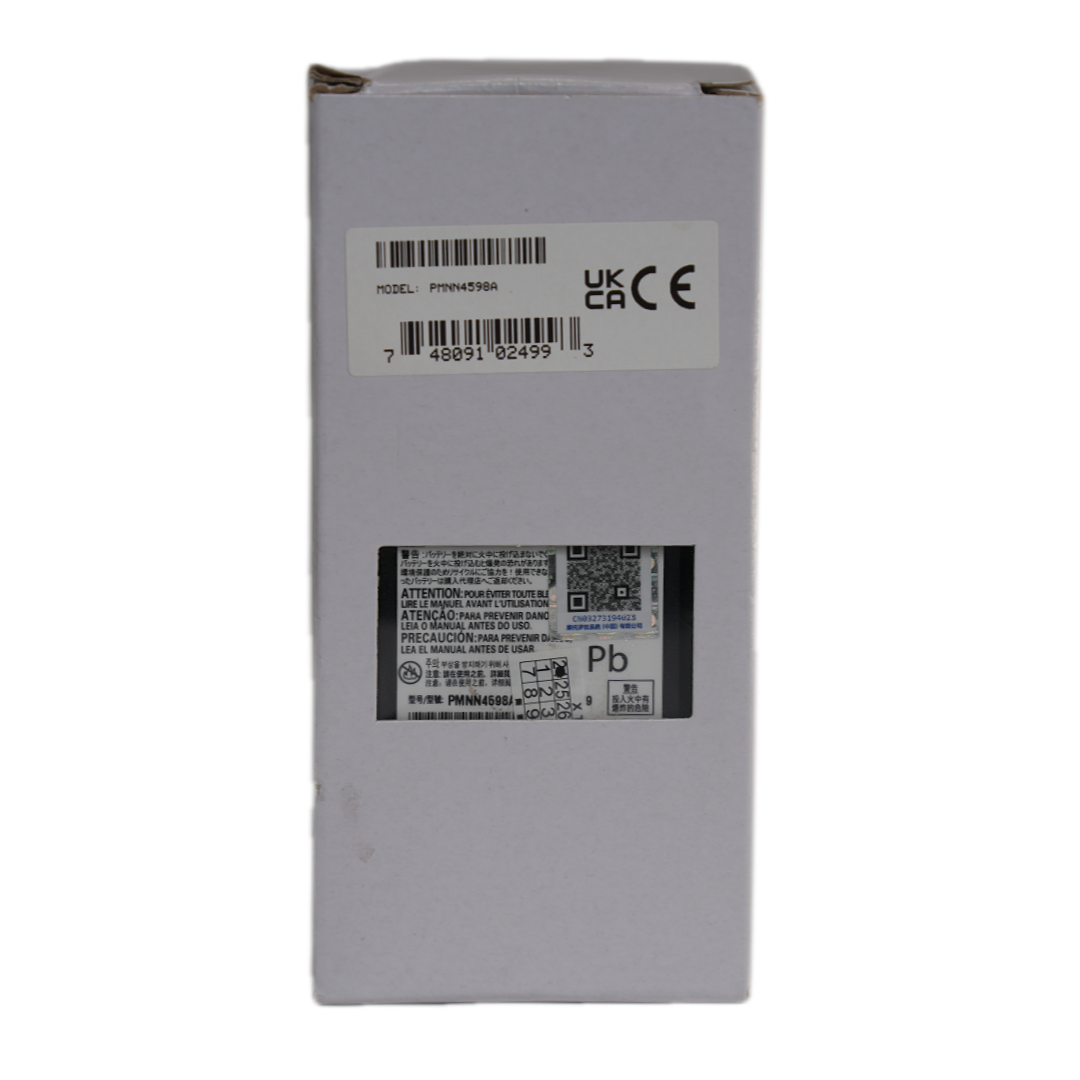
Environmental factors can significantly affect the performance of walkie - talkie batteries. In low - temperature environments, the chemical reactions inside the battery slow down, reducing its capacity. For instance, at - 20°C, a 2200mAh battery may only provide about 60% of its normal capacity. Strong signal interference can also cause the walkie - talkie to consume more power as it tries to maintain a stable connection.
To maximize the battery life of your walkie - talkie, you can adopt some practical tips. First, optimize your charging and discharging habits. Avoid over - charging or over - discharging the battery. Second, turn off non - essential functions such as vibration alerts and backlights when not needed. These small adjustments can add up to significant savings in battery power.
Knowing how to troubleshoot common battery problems can enhance your self - maintenance ability. If your walkie - talkie has a short battery life, check if the battery contacts are clean and free of corrosion. You can also try calibrating the battery by fully charging and then fully discharging it a few times. Here is a simple troubleshooting table:
| Problem | Possible Cause | Solution |
|---|---|---|
| Short battery life | Dirty contacts, over - charging | Clean contacts, adjust charging habits |
| Battery not charging | Faulty charger, damaged battery | Replace charger or battery |
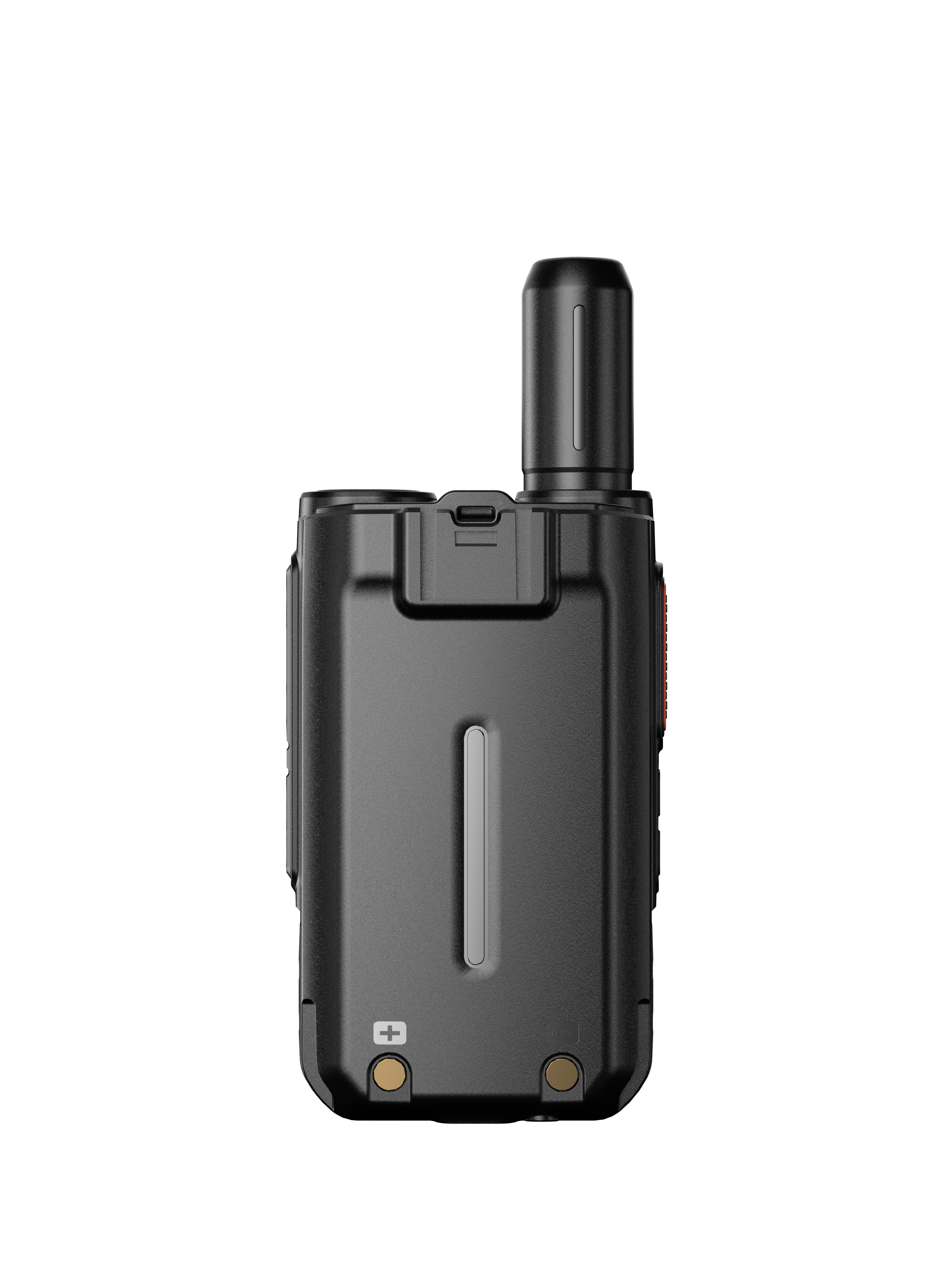
Let's look at some real - world scenarios. In a night - time construction project, workers need to communicate in the dark. A walkie - talkie with long battery life ensures that they can stay in touch throughout the shift. In a search - and - rescue mission in a mountainous area, rescuers rely on their walkie - talkies to report their positions and coordinate their search efforts. A reliable battery is the backbone of these operations.
By implementing the strategies and tips mentioned above, you can maximize the efficiency of your walkie - talkie and ensure that communication never fails at critical moments. Let every call be as stable as a rock and let us escort your key tasks. Are you ready to optimize your walkie - talkie battery usage? Click here to learn more about our high - performance walkie - talkie batteries.






.png?x-oss-process=image/resize,h_600,m_lfit/format,webp)
.png)


 Facebook