
In the bustling and noisy industrial workshop environment, efficient team communication is directly related to production safety and operational effectiveness. This article aims to provide in - depth guidance on selecting suitable intercom devices for industrial sites, with a focus on the importance of IP68 protection and long - lasting battery life as core selection indicators.
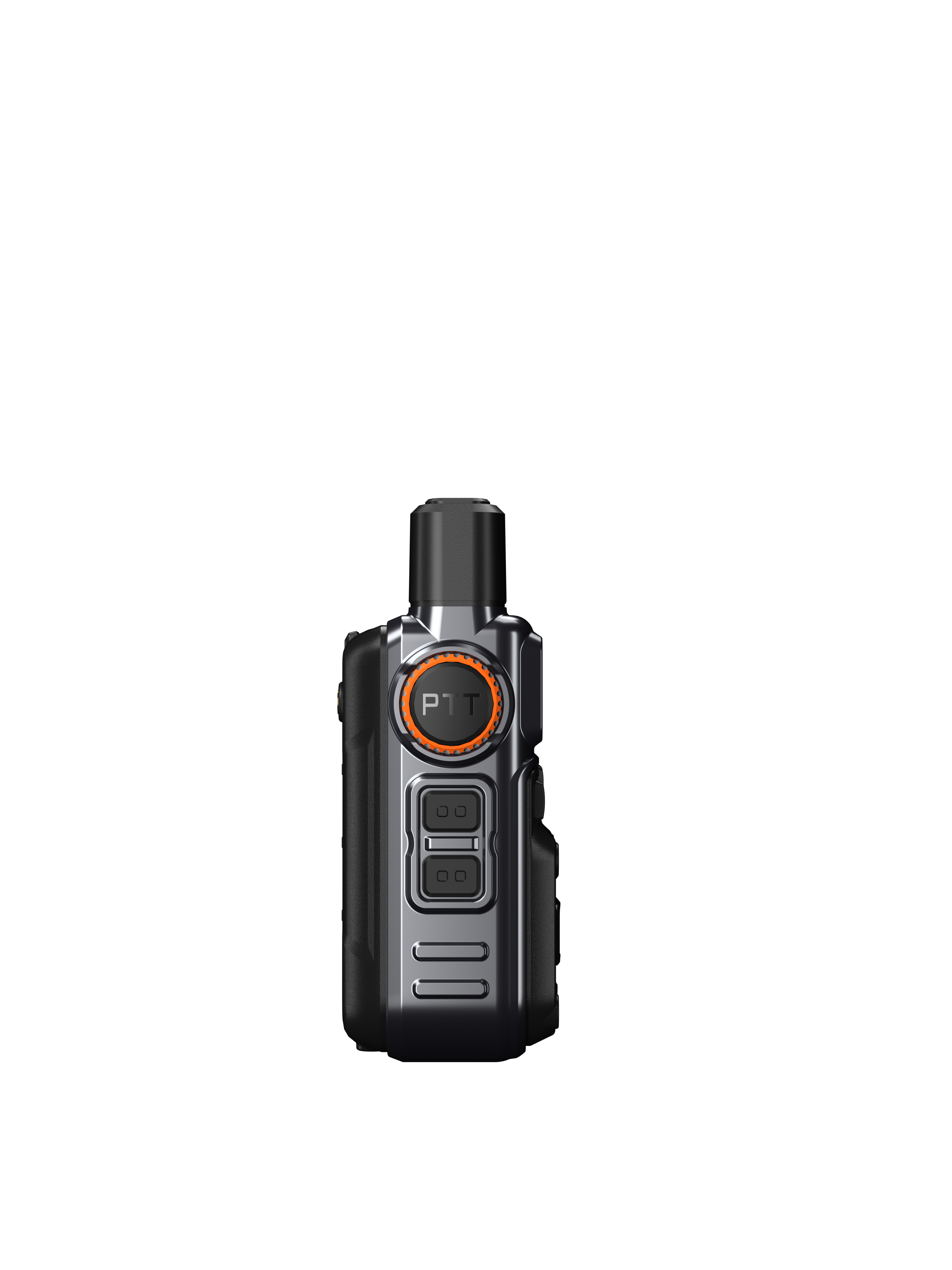
Push - to - Talk (PTT) technology is a fundamental feature of modern industrial intercoms. Unlike traditional two - way radios that require complex dialing or connection procedures, PTT allows users to communicate with a simple press of a button. This technology significantly reduces the time taken to initiate a call, improving response speed. For example, in a large - scale industrial plant, a worker can immediately alert the maintenance team about a machine malfunction with just one press. According to industry statistics, PTT can reduce the communication initiation time by up to 80% compared to traditional communication methods.
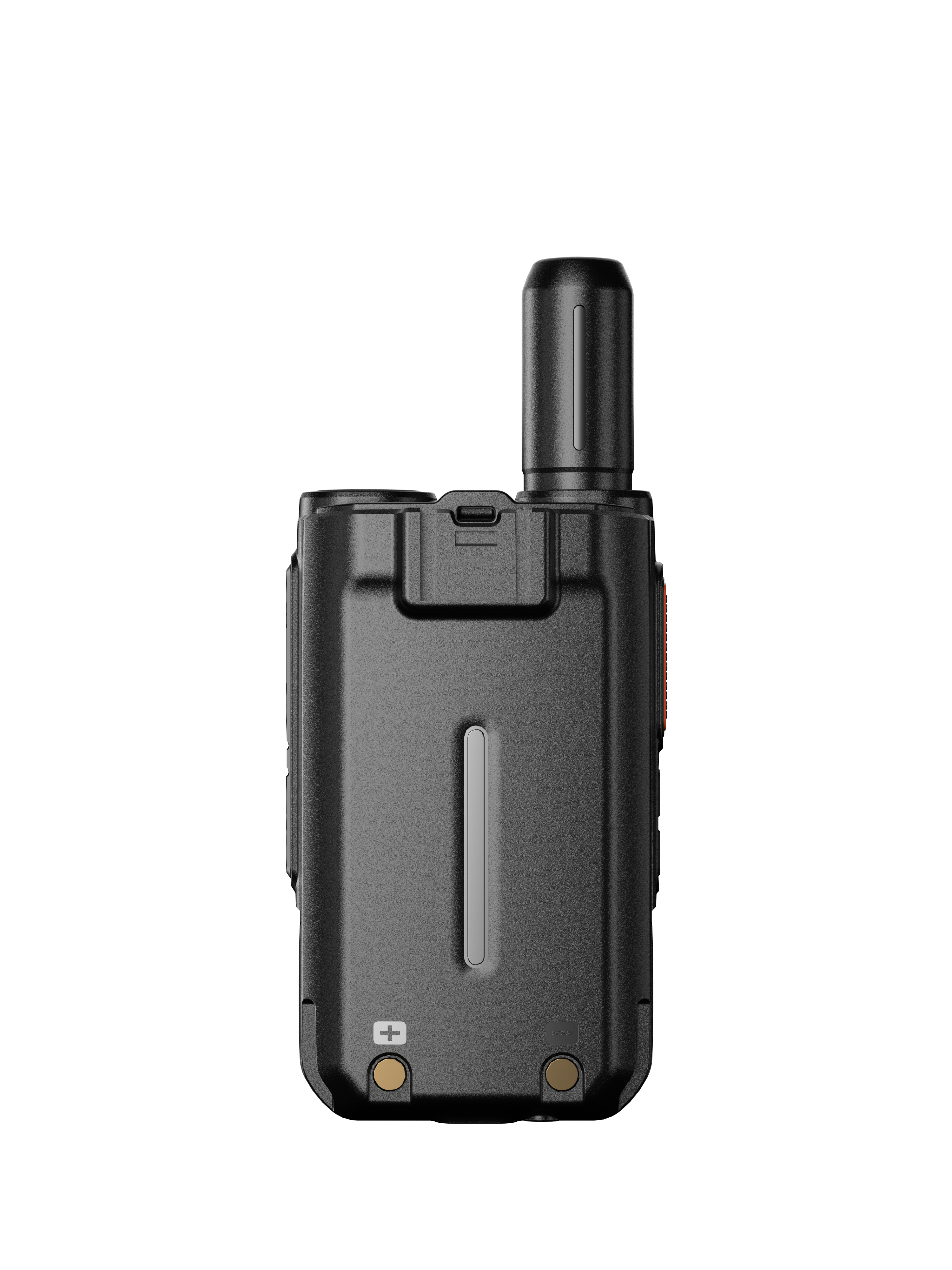
Industrial sites are often large in scale, and traditional intercoms may have limited coverage. Intercom devices with public - network - based wide - area coverage capabilities can solve this problem. They can utilize the existing public network infrastructure, such as 4G or 5G, to achieve seamless communication across a large area. For instance, in a multi - building industrial park, workers can communicate regardless of their location within the park. The public - network - based intercoms can cover an area of up to several square kilometers, ensuring that all team members can stay connected.
In a noisy industrial workshop, background noise can severely affect the clarity of communication. Anti - noise and intelligent noise reduction technologies play a crucial role in improving call quality. These technologies work by analyzing the audio signal, identifying and filtering out background noise. For example, in a factory with a noise level of up to 90 decibels, intelligent noise reduction technology can reduce the noise interference by up to 70%, making the voice communication clear and understandable. The following table shows the relationship between noise levels and call clarity with and without noise reduction technology:
| Noise Level (dB) | Call Clarity without Noise Reduction | Call Clarity with Noise Reduction |
|---|---|---|
| 70 | Fair | Excellent |
| 80 | Poor | Good |
| 90 | Very Poor | Fair |
The IP68 protection level is a key indicator of the durability of intercom devices. The '6' in IP68 means that the device is completely dust - tight, and the '8' indicates that it can be submerged in water for a long time without being damaged. In industrial environments, devices are often exposed to dust, water, and other harsh conditions. For example, in a mining site or a chemical plant, IP68 - protected intercoms can withstand the harsh environment and ensure stable communication. According to industry standards, IP68 - protected devices can operate normally in dust - filled environments for up to 1000 hours and can be submerged in water at a certain depth for up to 24 hours.
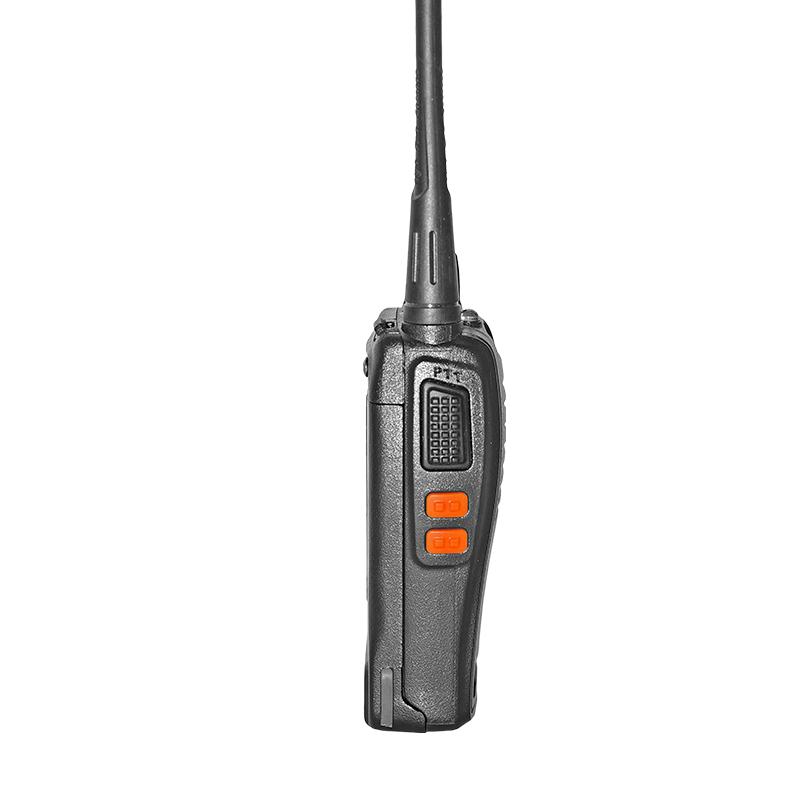
In industrial settings, workers often need to work around the clock. Therefore, intercom devices with long - lasting battery life are essential. Modern intercoms are designed with high - capacity batteries and power - saving technologies. For example, some intercoms can provide a battery life of up to 24 hours on a single charge, which can fully meet the needs of all - day operations. A real - life case is a construction site, where workers use long - lasting intercoms to communicate during the entire 12 - hour work shift without having to worry about battery exhaustion.
Different factory types have different communication requirements. For a food processing factory, in addition to long - lasting battery life and good noise reduction, IP68 protection is also necessary to prevent water and dust from entering the device. In a steel - making factory, high - level noise reduction and long - range communication capabilities are more important. Based on years of industry experience and case studies, we can provide customized selection suggestions for different factory types to help managers build a stable, clear, and safe communication system.
Are you struggling to select the right intercom device for your industrial site? Download our free Industrial Intercom Selection Guide now and get professional guidance to improve your team's communication efficiency!






.png?x-oss-process=image/resize,h_600,m_lfit/format,webp)
.png)



.png?x-oss-process=image/resize,h_600,m_lfit/format,webp)

 Facebook