Selecting Optimal Smart Noise-Cancelling Communication Devices for Manufacturing Environments: A Practical Guide
2025/10/29
Application Tutorial
This article delves into the application of smart noise-cancelling technology within high-noise manufacturing settings, providing an in-depth explanation of sound signal acquisition, noise identification, and advanced noise reduction algorithms. It analyzes common communication challenges in industrial environments such as signal interference and audio distortion, and introduces cutting-edge optimization strategies including multi-microphone array design, real-time signal processing, and adaptive environmental tuning. Supported by real-world case studies, this guide offers actionable insights for manufacturing clients to scientifically select and configure noise-cancelling communication devices, ensuring clear and secure industrial communication. The content subtly incorporates recommended products aimed at enhancing team collaboration and safety, making it a valuable resource for technical professionals and procurement decision-makers.

Selecting the Right Intelligent Noise-Cancelling Communication Devices for Manufacturing Environments
In the manufacturing sector, where high-decibel noise is a daily reality, clear and reliable communication is critical for operational safety and efficiency. Intelligent noise-cancelling communication devices are engineered to address this challenge, enabling crystal-clear transmissions amid industrial clamor. This guide delves into the core technologies behind intelligent noise cancellation, practical obstacles in noisy production settings, and strategic device selection to optimize communication performance.
Core Principles of Intelligent Noise Cancellation Technology
At the heart of these communication devices lies advanced digital signal processing that integrates three main components:
- Sound Signal Acquisition: Multi-microphone arrays capture voice while spatially differentiating noise sources through beamforming techniques.
- Noise Identification: Machine learning algorithms classify acoustic patterns distinguishing speech from ambient noise, even under variable industrial conditions.
- Noise Reduction Algorithms: Real-time adaptive filters dynamically suppress unwanted sounds, enhancing signal-to-noise ratio (SNR) by up to 20 dB on average in challenging environments.
By leveraging this triad, communication devices can deliver clearer transmissions, crucial in environments where auditory distractions can jeopardize safety and productivity.
Practical Challenges in Manufacturing Communication
Manufacturing plants present unique obstacles for communication systems, including:
| Challenge |
Impact |
| Signal Interference |
Degradation of voice clarity due to electromagnetic noise from machinery |
| Reverberation and Echoes |
Audio distortion causing difficulty in differentiating speech from background sounds |
| High Ambient Noise Levels |
Masking of voice signals, often exceeding 85 dB, affecting comprehension |
Effective communication equipment must be resilient against such disturbances to maintain operational safety and coordination.
Optimizing Communication with Advanced Design Strategies
To overcome these challenges, manufacturers should consider devices employing:
- Multi-microphone Array Design: Spatially filters ambient noise by leveraging directional inputs, significantly improving voice pickup accuracy.
- Real-Time Signal Processing: Ultra-low latency digital filters ensure noise suppression occurs instantaneously, preserving natural voice timbre.
- Environmental Adaptivity: Intelligent systems adjust parameters dynamically to accommodate changing noise profiles across work shifts and equipment operation cycles.
These innovations collectively enhance device adaptability, reducing communication errors and operator fatigue.
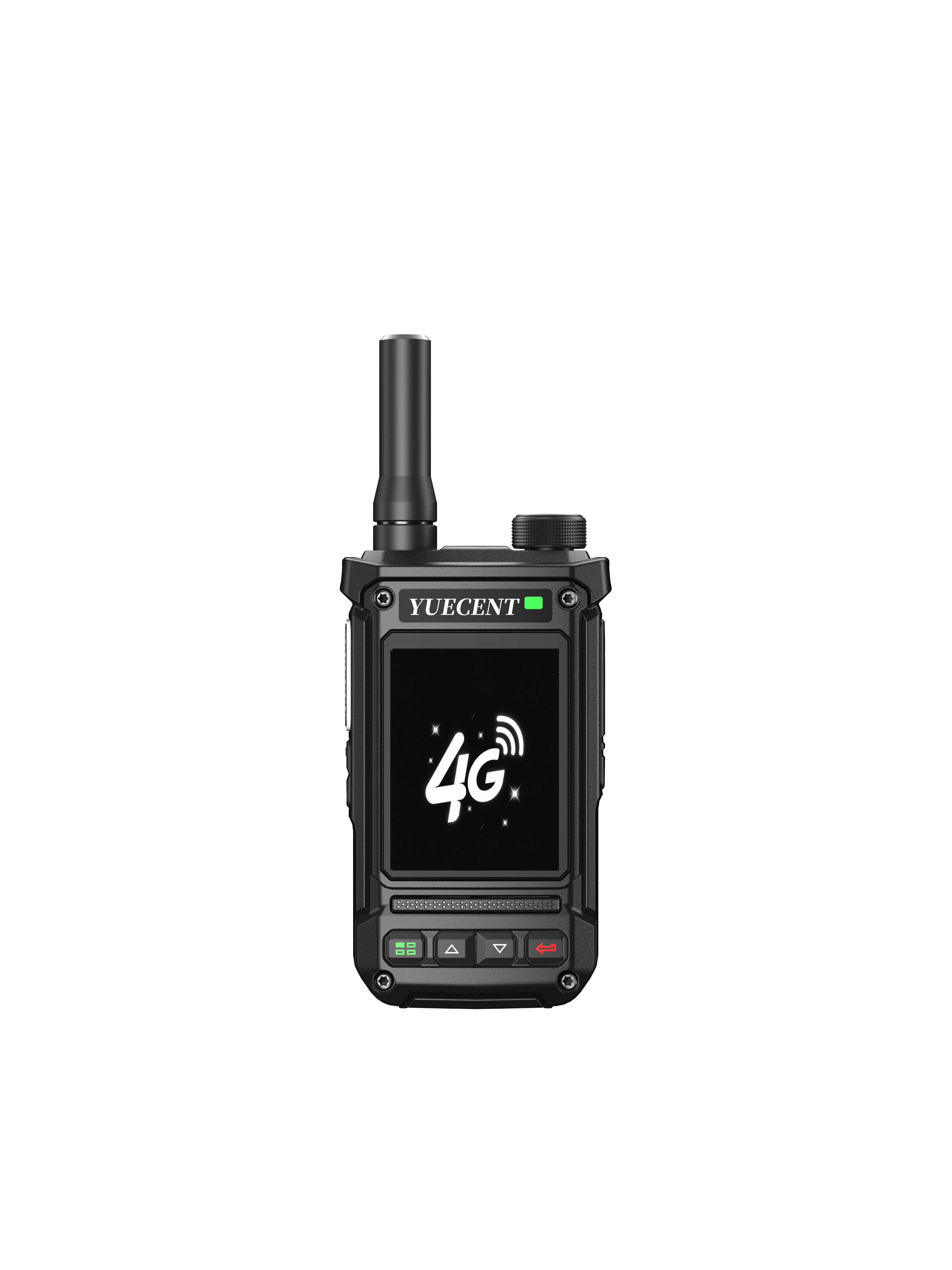
Case Study: Implementing Noise-Cancelling Devices in a Heavy Machinery Plant
A leading automotive parts manufacturer recently upgraded its communication network with intelligent noise-cancelling intercoms featuring eight-microphone arrays and adaptive filtering. Prior audio issues included message misinterpretation rates of 30%, resulting in frequent operational delays and safety incidents.
Post-installation metrics revealed a 65% reduction in communication errors, with users reporting enhanced clarity amid peak noise levels reaching 90 dB. The seamless integration of environment-adaptive profiles allowed uninterrupted clarity across diverse factory zones.
Guidelines for Selecting and Configuring Devices
- Assess Ambient Noise Profile: Measure average and peak noise ranges using professional sound level meters to select devices with adequate noise suppression capabilities.
- Evaluate Microphone Configuration: Prioritize devices with multi-microphone arrays (minimum 4 microphones) to enhance directional sensitivity.
- Verify Signal Processing Latency: Target devices with processing latency under 20 milliseconds to prevent communication lag.
- Confirm Environmental Adaptivity Features: Ensure devices support automatic gain control and noise profile modulation.
- Test User Comfort and Usability: Include end-users in testing phases to validate ergonomic design and operational simplicity.
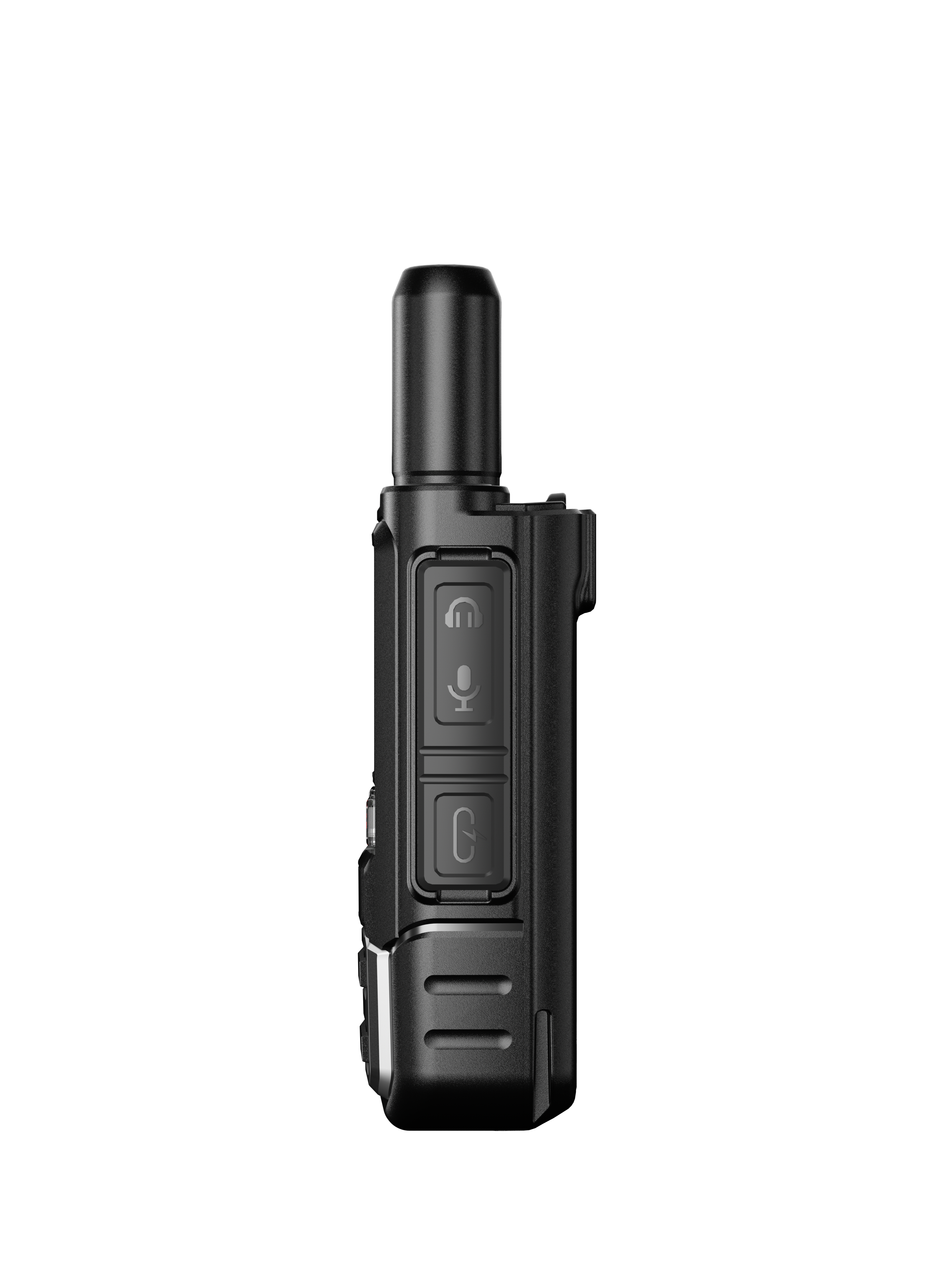
Additional Technology Trends Beneficial to Manufacturing Communication
Emerging advancements such as integration with Industrial Internet of Things (IIoT) ecosystems and AI-driven predictive noise modeling are set to redefine communication reliability. Devices capable of interfacing with centralized dashboards enable real-time status monitoring and remote configuration, a vital asset for preventive maintenance and operational insights.
.jpg)
By carefully selecting devices incorporating these latest technologies, manufacturing facilities empower their teams with communication tools that sustain productivity and safeguard personnel.






.png?x-oss-process=image/resize,h_600,m_lfit/format,webp)
.png)


.png?x-oss-process=image/resize,h_600,m_lfit/format,webp)



 Facebook