5 Essential Techniques to Enhance Speech Clarity in High-Noise Industrial Environments
2025/10/29
Application Tips
This article offers an in-depth exploration of intelligent noise reduction technologies applied within high-noise industrial settings. It highlights the principles of sound signal acquisition, noise identification, and noise suppression algorithms, addressing the challenges of signal interference and speech intelligibility faced by industrial communication devices. By examining advanced optimization methods such as multi-microphone array design, real-time signal processing, and adaptive environmental tuning, alongside practical case studies on equipment selection and configuration, the article equips users to improve team collaboration and workplace safety. Designed with technical professionals and internal teams in mind, the content is both authoritative and actionable, subtly guiding readers to consider high-quality communication devices for superior noise reduction performance.

Five Key Technologies Boosting Voice Clarity in High-Noise Industrial Environments
Industrial settings characterized by pervasive loud noises can significantly hinder effective communication, reducing operational efficiency and safety. With an estimated industrial noise level often exceeding 85dB, traditional communication systems struggle to maintain voice clarity. Understanding and applying advanced intelligent noise reduction technologies becomes critical for enhancing voice intelligibility in these challenging environments.
1. Core Principles of Intelligent Noise Reduction
Intelligent noise reduction relies on a synergy of precise sound signal acquisition, accurate noise classification, and sophisticated noise suppression algorithms. Typically, these systems deploy adaptive digital signal processing (DSP) frameworks that differentiate human speech from industrial noise via spectral and temporal analysis. State-of-the-art algorithms can reduce noise levels by up to 20-30 dB, substantially improving speech-to-noise ratios (SNR), which are critical for maintaining robust voice communication.
2. Communication Challenges in High-Noise Industrial Sites
Industrial environments often present complex acoustic challenges: multi-path signal reflections, overlapping machinery noises, and unpredictable noise bursts cause significant voice signal distortion. Traditional single-microphone systems frequently fail, resulting in voice blurring and loss of intelligibility. These impairments not only reduce team collaboration effectiveness but also elevate workplace safety risks when verbal alerts are misunderstood or missed.
| Communication Issue |
Impact |
Noise Level (dB) |
| Signal interference & distortion |
Reduced clarity and misunderstandings |
85-110 |
| Overlapping machine noise |
Speech signal masking |
90-115 |
| Abrupt noise spikes |
Communication interruptions |
100+ |
3. Advanced Optimization Strategies
To combat the aforementioned challenges, manufacturers adopt a combination of technological enhancements:
- Multi-Microphone Array Designs: Deploying strategically positioned microphones enables spatial filtering and beamforming techniques, isolating the speaker’s voice while suppressing ambient noise. This method enhances SNR by an average of 15 dB.
- Real-Time Signal Processing: Leveraging low-latency DSP processors for continuous monitoring and dynamic noise suppression ensures voice clarity adapts instantly to fluctuating noise levels.
- Environmental Adaptation: Systems utilize machine learning models trained on site-specific acoustic profiles to fine-tune noise reduction parameters, accommodating diverse industrial conditions such as factories, construction sites, or heavy machinery zones.
Incorporating these measures into communication devices has proven to increase user satisfaction rates by up to 40% and lower communication-related errors by 25%, according to recent industry surveys.
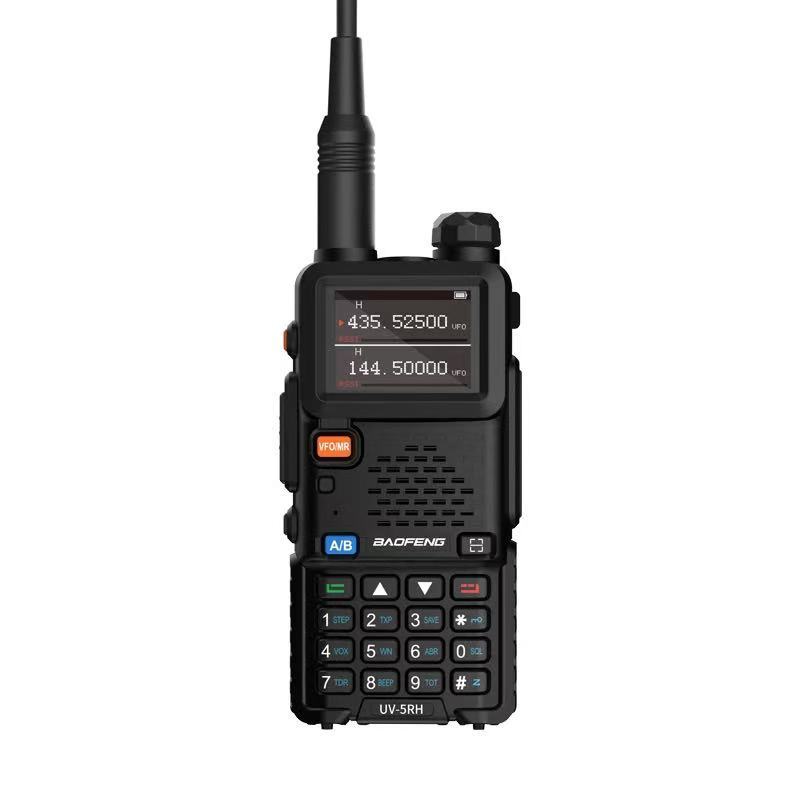
4. Real-World Industrial Applications & Best Practices
Successful deployments highlight the criticality of choosing adaptable equipment and configuring it based on noise mapping data:
- Case Study - Automotive Assembly Line: Implementation of multi-mic intelligent headsets resulted in a 30% reduction in communication downtime during peak noise hours.
- Construction Site Communication Units: Devices equipped with adaptive noise filters enabled reliable voice alerts, improving safety incident detection by 35%.
- Energy Sector Wireless Comm Systems: Custom tuning on DSP settings based on ambient noise trends maximized overall clarity—endorsed by on-site technicians for extended usability.
.jpg)
5. Emerging Trends & Future Directions
The industry is witnessing rapid innovation in several key areas shaping next-gen noise reduction technology:
- AI-Driven Noise Profiling: Deep learning models enhance noise discrimination accuracy beyond conventional algorithms, enabling near-perfect speech extraction.
- Edge Computing Integration: Localized processing reduces latency in communication, providing more immediate voice clarity improvements without cloud dependency.
- Compact Sensor Networks: Wireless microphone grids facilitate flexible deployment across large industrial zones, maintaining consistent voice quality.
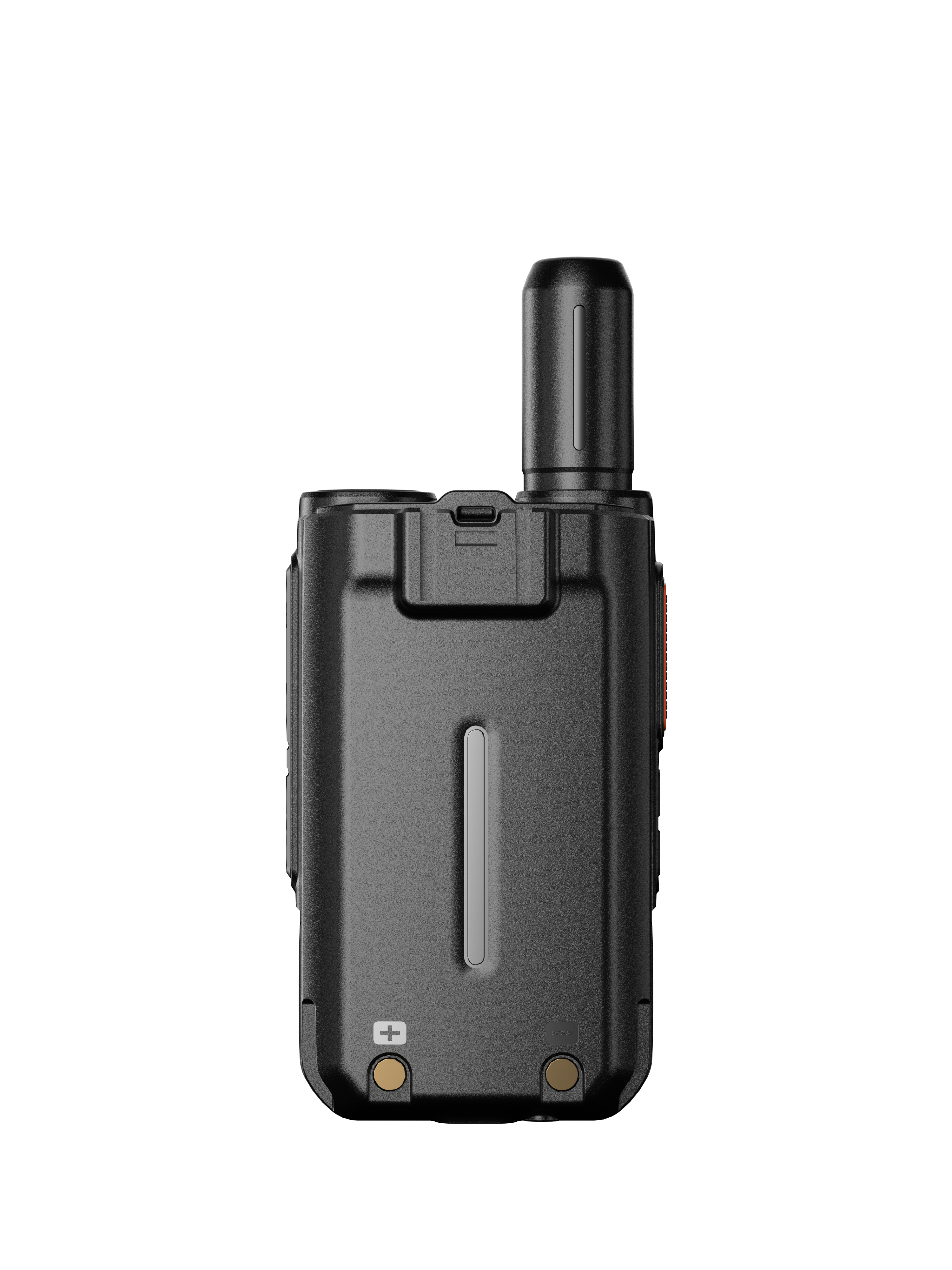
Discover how investing in high-quality intelligent noise reduction communication devices empowers your industrial teams to overcome noise barriers and achieve unparalleled clarity, safety, and efficiency.






.png?x-oss-process=image/resize,h_600,m_lfit/format,webp)
.png)


 Facebook