
For professionals relying on Motorola GP340 Ex and GP380 Ex two-way radios, ensuring uninterrupted communication is critical. The secret to sustained performance lies in how you maintain and care for your radio batteries — especially the popular NNTN5510 model with a 2200mAh capacity. This guide unpacks proven tactics to extend battery life, optimize runtime, and diagnose issues so you can focus on your job with confidence.
The NNTN5510 Lithium-Ion battery's 2200mAh rating determines your radio's typical operating time. Under ideal conditions, expect around 12–16 hours of moderate use. However, real-world factors such as signal strength, frequency of transmissions, and temperature variances can significantly impact this.
Radios operating in areas with weak signal reception consume more power as the device boosts transmission efforts, accelerating battery depletion. Additionally, high transmit frequency—common in construction sites or emergency response scenarios—places extra load, reducing available runtime.
Pro Tip: Consider using “low power” settings or disabling non-essential features like backlighting or scanning when feasible to conserve energy during extended shifts.
Operating in extreme cold (below 0°C/32°F) or heat (above 40°C/104°F) can temporarily degrade battery capacity by up to 30%. Lithium-Ion chemistry becomes less efficient, and in cold environments, you may also experience slower charging times.
To mitigate this, store radios and batteries at room temperature when not in use, avoid leaving them in direct sunlight or freezing conditions, and rotate batteries to allow cooldown periods during intensive use.
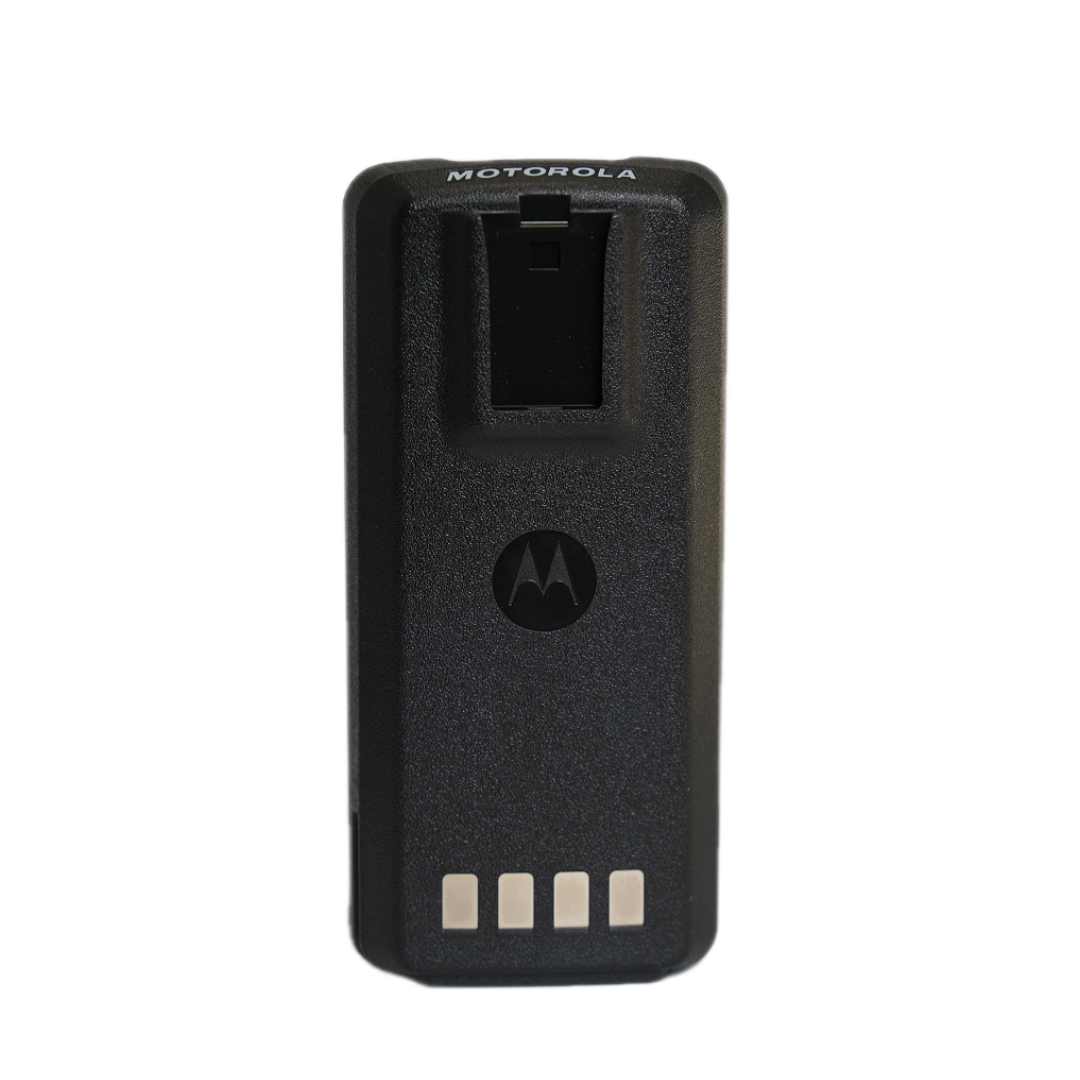
Follow these guidelines to maintain battery health:
Sudden power losses or charging failures are signs of battery aging or damage. Apply this quick troubleshooting logic:
| Symptom | Possible Cause | Recommended Action |
|---|---|---|
| Sudden shutoff despite charge | Battery deterioration or internal fault | Replace with new NNTN5510 battery immediately |
| Slow charging or no charge | Dirty contacts or charger malfunction | Clean contacts, verify charger compatibility |
| Battery overheating during use | Prolonged high-power transmission or ambient heat | Limit transmission bursts, allow cool down periods |
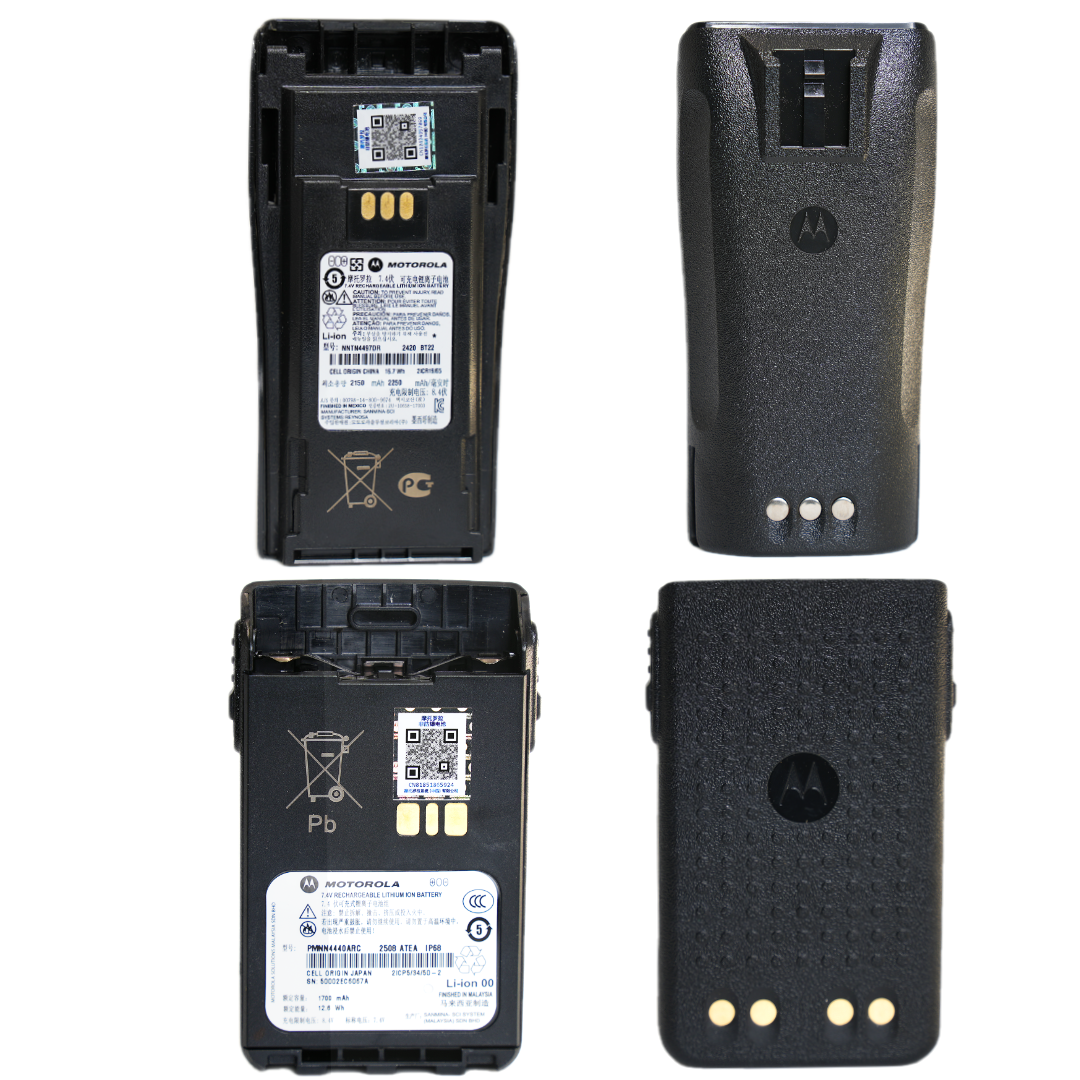
A logistics company operating in variable temperatures faced frequent battery failures during peak seasons. After switching to standardized NNTN5510 batteries combined with these maintenance principles, average radio uptime increased by 25%, enabling dispatch teams to coordinate more effectively with less downtime.
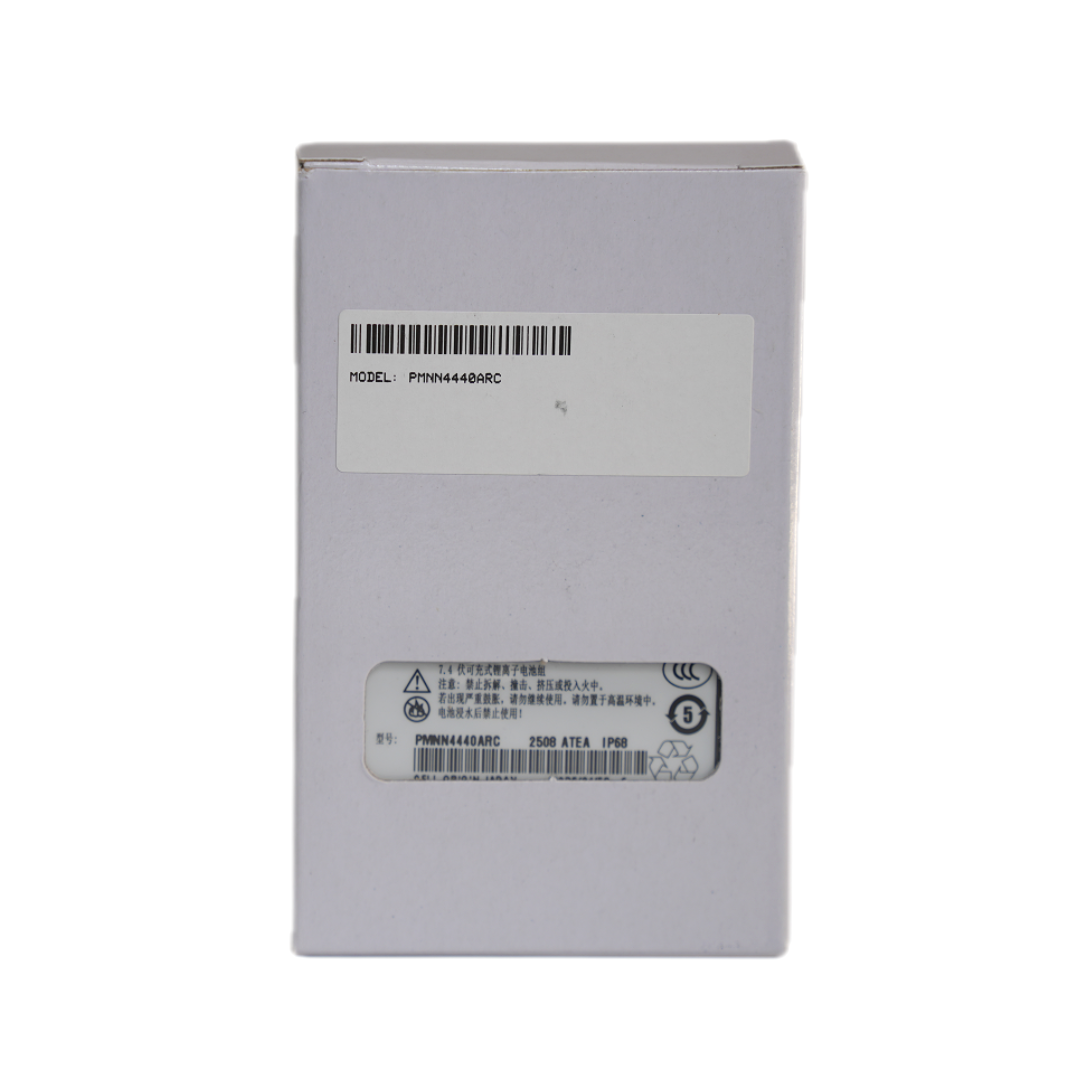
Want to unlock consistent long-lasting performance from your radios? Upgrade to Genuine NNTN5510 Batteries Now — your communication lifeline deserves no less.
How do your teams currently maintain their radio batteries? Share your tips or challenges below — let’s learn how to keep communication smooth together.






.png?x-oss-process=image/resize,h_600,m_lfit/format,webp)
.png)




 Facebook